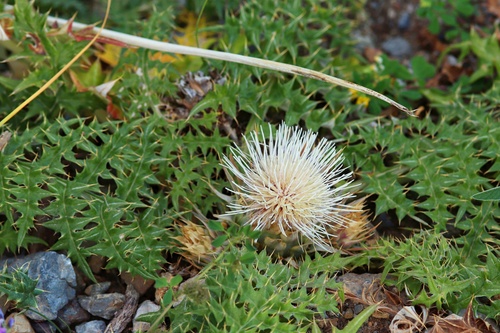
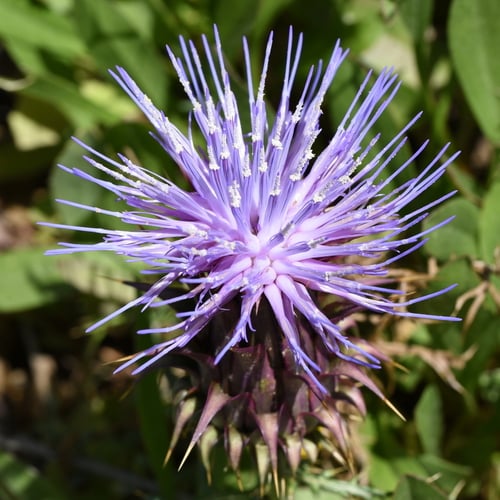
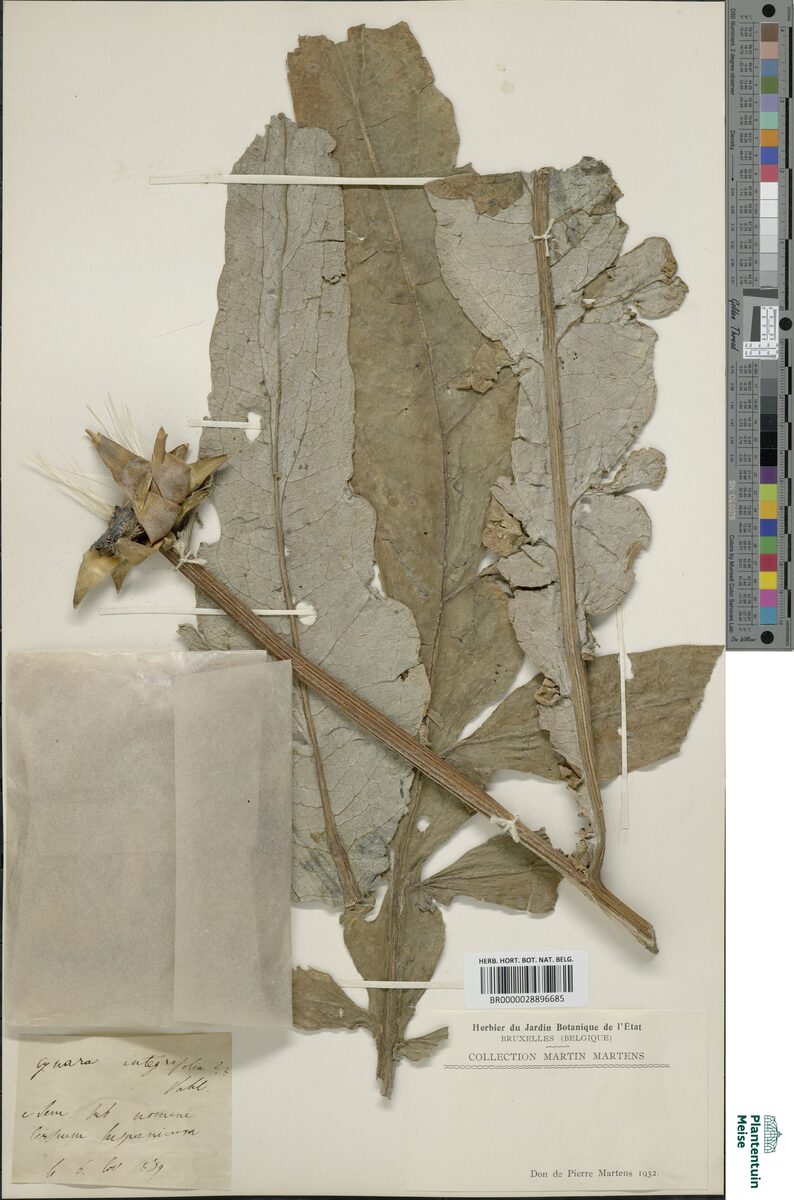
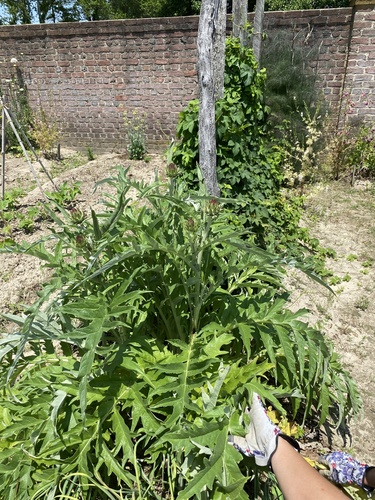
Ainsliaea acerifolia
Schultz.-Bip.
Tanpungch'wi
iNaturalist· cc-by
(c) Kim, Hyun-tae, some rights reserved (CC BY), uploaded by Kim, Hyun-tae
iNaturalist· cc-by-nc
(c) onidiras-iNaturalist, some rights reserved (CC BY-NC), uploaded by onidiras-iNaturalist
iNaturalist· cc-by-nc
(c) onidiras-iNaturalist, some rights reserved (CC BY-NC), uploaded by onidiras-iNaturalist
Description
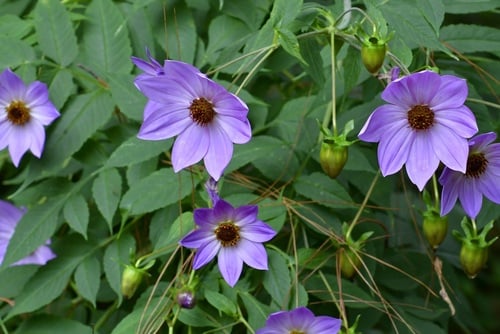
A herb. It keeps growing from year to year. It grows 40-80 cm tall. The leaves are grouped near the middle part of the stem. The leaves are almost round and divided like fingers on a hand. It is 5-14 cm tall by 6-18 cm wide. The flowers are in spikes of 3 flowers.
Edible Uses
The young leaves are eaten raw in salads and cooked with vegetables.
Traditional Uses
The young leaves eaten in salads and with cooked vegetables.
This uses section is brief — help expand it
Distribution
It is a temperate plant. It grows in north China in forests between 300-500 m above sea level.
Where It Grows
Asia, China, Japan, Korea,
Also Known As
Danpungchwi
References (5)
- Chon, S. et al., 2009, Total Phenolics Level, Antioxidants Activity and Cytotoxicity of Young Sprouts of Some Traditional Korean Salad Plants. Plant Foods for Human Nutrition. 64:25-31
- Heo, B., et al., 2009, Antiproliferative Activity of Korean Wild Vegetables on Different Human Tumor Cell Lines. Plant Foods for Human Nutrition. 64:257-263
- Hwang, HS, et al, 2014, Distribution characteristics of plant in the Ungseokbong Mountain, Gyeongsangnam-do, Korea. Journal of Asia-Pacific Biodiversity. 7(2014) e164-e178
- Kim, H. & Song, M., 2013, Ethnobotanical analysis for traditional knowledge of wild edible plants in North Jeolla Province (Korea). Genetic. Resour. Crop Evol. (2013) 60:1571-1585
- Pemberton, R. W. & Lee, N. S., 1996, Wild Food Plants in South Korea: Market Presence, New Crops, and Exports to the United States. Economic Botany, Vol. 50, No. 1, pp. 57-70