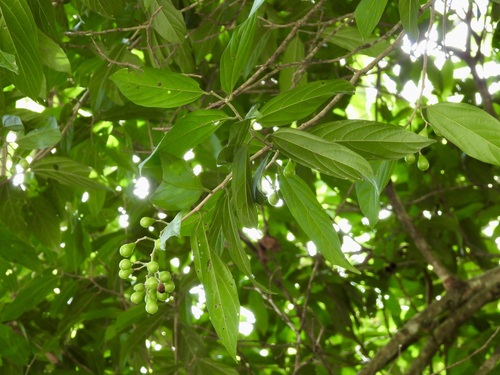
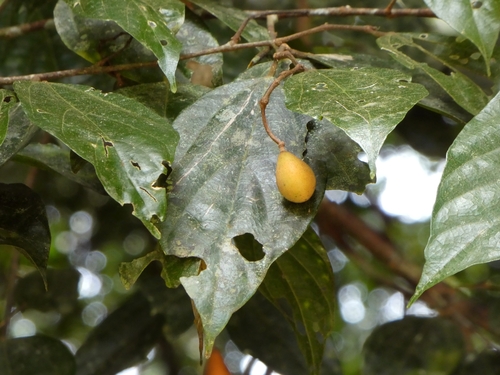
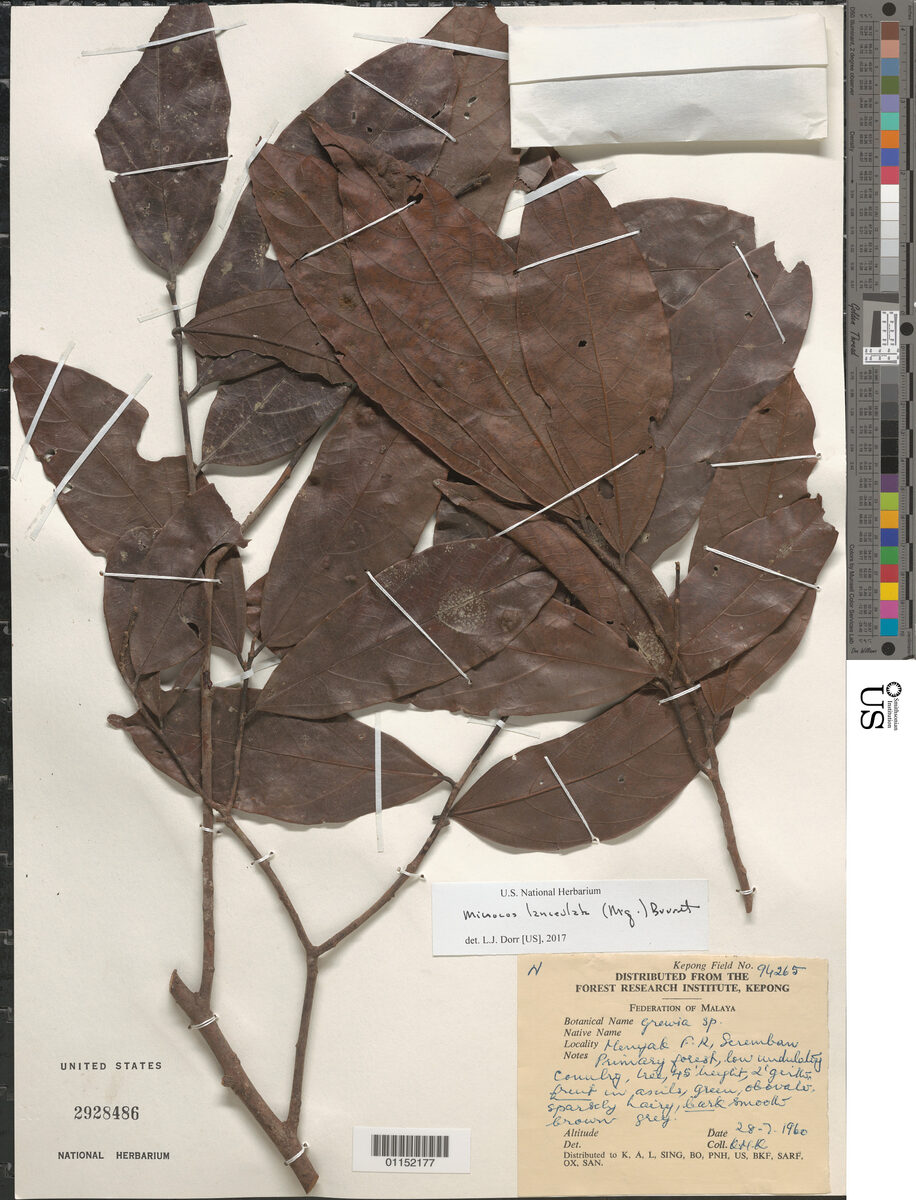
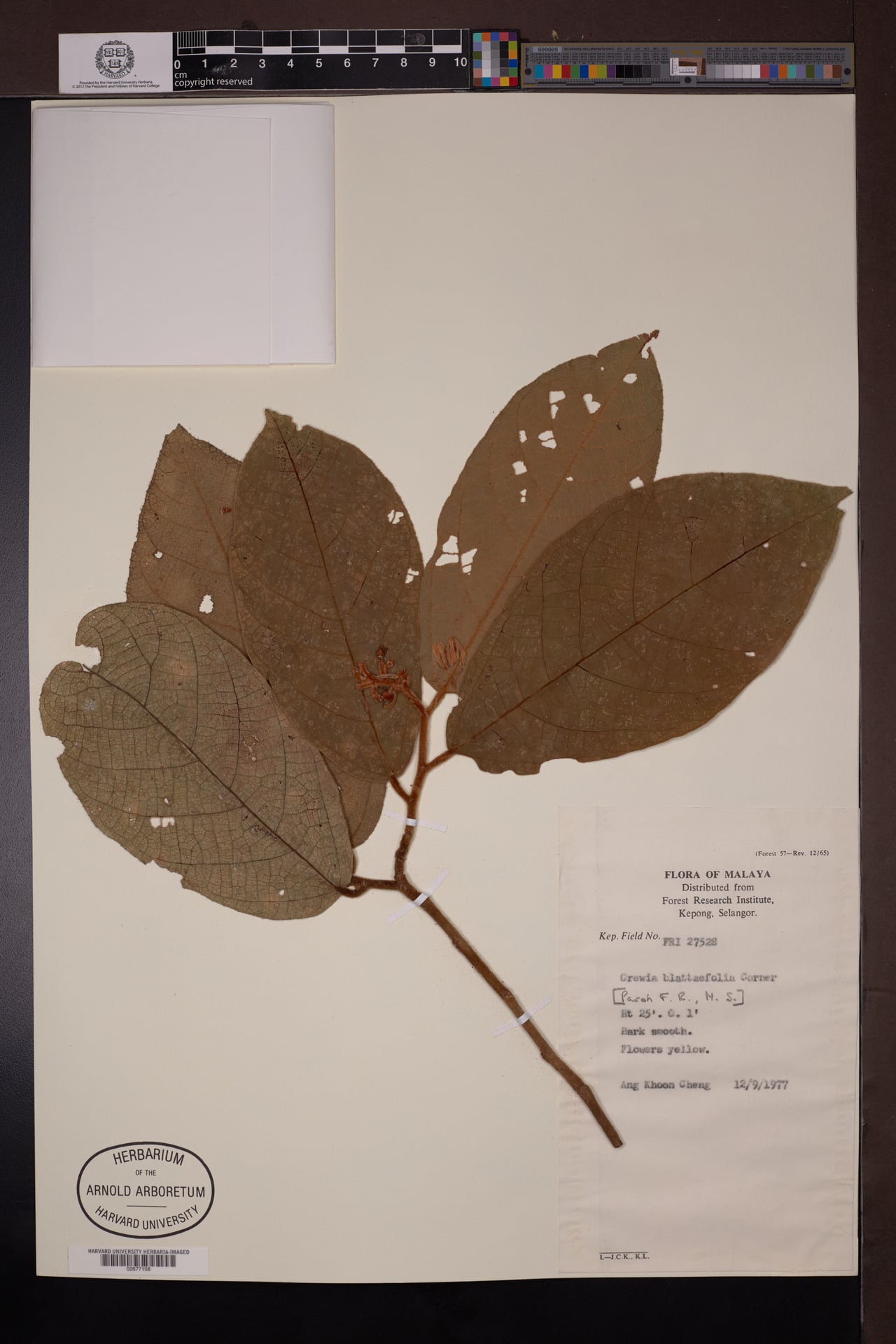
Tilia platyphyllos
Scop.
Large leaved lime, Red twigged lime, Broad-leaved linden
iNaturalist· cc-by
(c) Andy Slater, some rights reserved (CC BY), uploaded by Andy Slater
iNaturalist· cc-by-nc-sa
(c) andreasbalzer, some rights reserved (CC BY-NC-SA)
iNaturalist· cc-by-nc
(c) konstantin_m, some rights reserved (CC BY-NC)
Summary
Source: WikipediaTilia platyphyllos, the large-leaved lime, broad-leaved lime, or large-leaved linden, is a species of flowering plant in the family Malvaceae (Tiliaceae). It is a deciduous tree, native to much of continental Europe including southwestern Great Britain, typically growing on limestone-derived soils. It is not native in Scotland or Ireland, but is naturalised there. The name "lime", possibly a corruption of "line" originally from "lind", has been in use for centuries and also attaches to other species of Tilia. It is not, however, closely related to the lime fruit tree, a species of citrus. The specific epithet platyphyllos (Greek: πλατύφυλλος) means "with broad leaves" in Greek.
Description
A deciduous tree. It grows 25-30 m tall and spreads 15-22 m wide. The trunk is slender. The crown is narrow. The small branches droop. The branches often have reddish-brown hairs. The leaves are heart-shaped. They are downy and pale green underneath. The leaves are 10 cm long by 8.5 cm wide. They are green on both surfaces but slightly velvety underneath. The flowers are yellow-green. The flowers hang in clusters of 3 or 4 from long bracts. The flowers have a sweet perfume and are rich in nectar. The fruit are large and grey. They have a thick wall with 5 prominent ribs.
Edible Uses
Young leaves are good raw — delicious in salads and sandwiches, they are mild and tender with a somewhat mucilaginous texture. A paste made from ground flowers and immature fruit makes a very acceptable chocolate substitute, though attempts to market it failed because the paste is very apt to decompose. A popular herb tea made from the flowers has a sweet, fragrant, pleasant flavour — some caution is advised regarding toxicity. Sap harvested in spring is sweet and can be drunk fresh or concentrated into a syrup.
Traditional Uses
The young leaves are eaten. The leaves are used for sarma in Turkey. They are rolled around a filling of rice or minced meat. The flowers are used to make a drink.
Medicinal Uses
Lime flowers are a popular domestic remedy, especially for colds and ailments where sweating is desirable. A tea made from fresh or dried flowers is antispasmodic, diaphoretic, expectorant, hypotensive, laxative, and sedative. It is also used internally for indigestion, hypertension, hardening of the arteries, hysteria, nervous vomiting, and palpitation. The flowers are harvested commercially and widely sold in health shops. Lime flowers are said to develop narcotic properties as they age and should only be harvested when freshly opened. A charcoal made from the wood treats gastric and dyspeptic disturbances, and when powdered can be applied to burns or sore places. The charcoal is also quite an effective vasodilator.
Known Hazards
Some caution advised regarding flower consumption due to potential toxicity.
Distribution
It grows in temperate places. They need soils which retain moisture. It is native to S.W. Asia and S.E. Europe. It grows in mixed deciduous and evergreen woods. It suits hardiness zones 5-9. Arboretum Tasmania. Hobart Botanical Gardens.
Where It Grows
Andorra, Australia, Balkans, Bosnia, Britain, Europe*, Greece, Hungary, Italy, Luxembourg, Macedonia, Mediterranean, Poland, Portugal, Romania, Russia, San Marino, Slovakia, Slovenia, Spain, Switzerland, Tasmania, Turkey, Türkiye, Ukraine,
Cultivation
Prefers a good moist loamy alkaline to neutral soil but succeeds on slightly acid soils. Grows poorly on any very dry or very wet soils. Succeeds in sun or semi-shade. Plants can be transplanted quite easily, even when quite large, trees up to 60 years old have been moved successfully. Lime trees are very long-lived and are amenable to coppicing or pollarding. This species does not produce many suckers. Grows well in Britain, it is the only species that reliably produces viable seed in areas with cool summers. Lime trees tend to hybridise freely if other members of the genus are growing nearby. If growing plants from seed it is important to ensure the seed came from a wild source or from an isolated clump of the single species. Grows best in a woodland situation, young plants tolerate a reasonable level of side shade. Mature trees cast a dense shade. A very valuable bee plant, producing an abundance of nectar. A valuable tree for wildlife, there are 31 species of insects associated with this tree. A food plant for the caterpillars of many butterfly and moth species. Trees are usually attacked by aphids which cover the ground and the leaves with a sticky honeydew. There are some named varieties selected for their ornamental value. Plants in this genus are notably resistant to honey fungus.
Propagation
Much of the seed produced in Britain is not viable — cut a few seedcases open to check for a seed inside. Where possible, obtain fresh seed that is ripe but has not yet developed a hard seed coat and sow it immediately in a cold frame. It may germinate the following spring, though it could take 18 months. Stored seed can be very slow to germinate due to a hard seed coat, embryo dormancy, and a hard coat on the pericarp — together these factors can mean the seed takes up to 8 years to germinate. One way to shorten this time is to stratify the seed for 5 months at high temperatures (10°c at night, up to 30°c by day) followed by 5 months of cold stratification. When seedlings are large enough to handle, prick them out into individual pots and grow them on in the greenhouse through their first winter. Plant out into permanent positions in late spring or early summer, after the last expected frosts. Layering in spring just before the leaves unfurl takes 1–3 years. Suckers, when formed, can be removed with as much root as possible during the dormant season and replanted immediately.
Other Uses
Fibre from the inner bark — harvested from trunks 15–30cm in diameter — is used to make mats, shoes, baskets, ropes, and cloth. The fibre can also be made into paper: stems are harvested in spring or summer, leaves removed, and the stems steamed until the fibres can be stripped. The outer bark is peeled or scraped away from the inner bark, the fibres are then cooked for 2 hours with lye and beaten in a ball mill, producing a beige-coloured paper. The wood is soft, white, and easily carved, suitable for domestic items and small non-durable objects. Charcoal from the wood is used both for drawing and for medicinal purposes.
Production
Trees live for a long time.
Notes
These have also been in the Tiliaceae.
Synonyms
Also Known As
Krupnolisna lipa, Tell, Til-ler, Tilo, Yaz ihlamuru
References (29)
- Bonet, M. A. & Valles, J., 2002, Use of non-crop food vascular plants in Montseny biosphere reserve (Catalonia, Iberian Peninsula). International Journal of Food Sciences and Nutrition (2002) 53, 225–248
- Bremness, L., 1994, Herbs. Collins Eyewitness Handbooks. Harper Collins. p 88
- Coombes, A.J., 2000, Trees. Dorling Kindersley Handbooks. p 305
- Crawford, M., 2012, How to grow Perennial Vegetables. Green Books. p 127
- Cundall, P., (ed.), 2004, Gardening Australia: flora: the gardener's bible. ABC Books. p 1419
Show all 29 references Hide references
- Denes, A., et al, 2012, Wild plants used for food by Hungarian ethnic groups living in the Carpathian Basin. Acta Societatis Botanicorum Poloniae 81 (4): 381-396
- Dogan, Y., et al, 2015, Of the importance of a leaf: the ethnobotany of sarma in Turkey and the Balkans. Journal of Ethnobiology and Ethnomedicine, 11:56
- Ertug, F, Yenen Bitkiler. Resimli Türkiye Florası -I- Flora of Turkey - Ethnobotany supplement
- Fl. carniol. ed. 2, 1:373. 1771, nom. cons.
- Harris, E & J., 1983, Field Guide to the Trees and Shrubs of Britain. Reader's Digest. p 42
- Heywood, V.H., Brummitt, R.K., Culham, A., and Seberg, O. 2007, Flowering Plant Families of the World. Royal Botanical Gardens, Kew. p 322
- Hibbert, M., 2002, The Aussie Plant Finder 2002, Florilegium. p 300
- http://www.botanic-gardens-ljubljana.com/en/plants
- Irving, M., 2009, The Forager Handbook, A Guide to the Edible Plants of Britain. Ebury Press p 204
- Joyce, D., 1998, The Garden Plant Selector. Ryland, Peters and Small. p 120
- Kargioglu, M. et al, 2010, Traditional Uses of Wild Plants in the Middle Aegean Region. Human Ecology 38:429-450
- Lord, E.E., & Willis, J.H., 1999, Shrubs and Trees for Australian gardens. Lothian. p 74
- Luczaj, L., 2012, Ethnobotanical review of wild edible plants of Slovakia. Acta Societatis Botanicorum Poloniae 81(4):245-255
- Łukasz Łuczaj and Wojciech M Szymański, 2007, Wild vascular plants gathered for consumption in the Polish countryside: a review. J Ethnobiol Ethnomedicine. 3: 17
- Luczaj, L., et al, 2015, Wild food plants and fungi used by Ukrainians in the western part of the Maramureş region in Romania. Acta Soc Bot Pol 84(3):339–346
- Pardo-de-Santayana, M., et al, 2007, Traditional knowledge of wild edible plants used in the northwest of the Iberian Peninsula (Spain and Portugal): a comparative study. Journal of Ethnobiology and Ethnomedicine 2007, 3:27
- Pieroni, A. & Soukand, R., 2017, Are Borders more Important than Geographical Distance? The Wild Food Ethnobotany of the Boykos and its Overlap with that of the Bukovinian Hutsuls in Western Ukraine. Journal of Ethnobiology 37(2): 326–345
- Plants for a Future database, The Field, Penpol, Lostwithiel, Cornwall, PL22 0NG, UK. http://www.scs.leeds.ac.uk/pfaf/
- Redzic, S. J., 2006, Wild Edible Plants and their Traditional Use in the Human Nutrition in Bosnia-Herzegovina. Ecology of Food and Nutrition, 45:189-232
- Ryan, S., 2008, Dicksonia. Rare Plants Manual. Hyland House. p 59
- Schuler, S., (Ed.), 1977, Simon & Schuster's Guide to Trees. Simon & Schuster. No. 178
- Sfikas, G., 1984, Trees and shrubs of Greece. Efstathiadis Group. Athens. p 108
- Shikov, A. N. et al, 2017, Traditional and Current Food Use of Wild Plants Listed in the Russian Pharmacopoeia. Frontiers in Pharmacology. Vol. 8 Article 841
- Tardio, J., et al, Ethnobotanical review of wild edible plants in Spain. Botanical J. Linnean Soc. 152 (2006), 27-71