Sterculia rubiginosa
Vent.
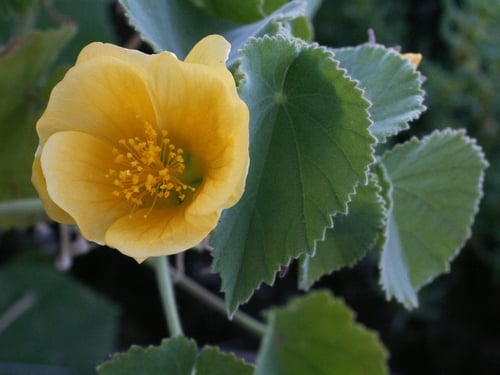
iNaturalist· cc-by-nc-sa
(c) 106611639464075912591, some rights reserved (CC BY-NC-SA), uploaded by 106611639464075912591
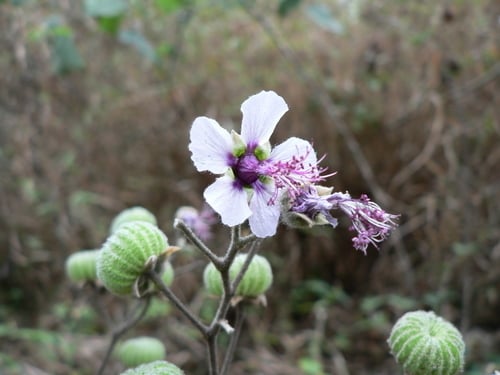
iNaturalist· cc-by-nc-sa
(c) 106611639464075912591, some rights reserved (CC BY-NC-SA), uploaded by 106611639464075912591
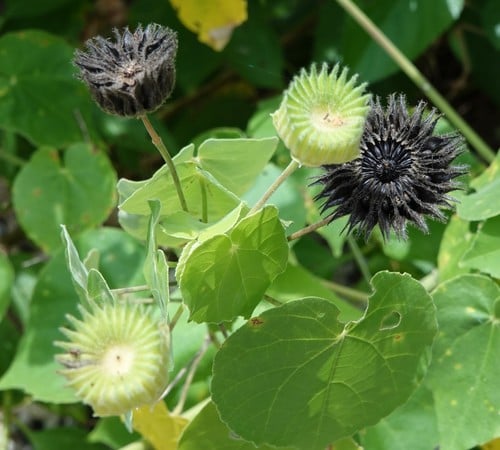
iNaturalist· cc-by-nc
(c) SunGW, some rights reserved (CC BY-NC)
Summary
Source: WikipediaSterculia rubiginosa is a plant species, belonging to the genus Sterculia and the family Malvaceae (previously the Sterculiaceae, now relegated to a subfamily). The species can be found in the Andaman and Nicobar islands, Myanmar (Burma), southern Thailand, Malesia (Java, peninsular Malaysia, Sumatra, Singapore, Borneo, Sulawesi), the Philippines and Vietnam (where it is known as bảy rừa lông [sét]).
Description
A tree.
This description is brief — help expand it
Edible Uses
Although we have seen no specific information for this species, the large seeds of many species in this genus are used for food. Usually cooked, they are rich in oil and have a flavour described by some as like peanuts. The black, globose to ellipsoid seed is 10 - 20mm long.
Distribution
It is a tropical plant.
Where It Grows
Andamans, Asia, India,
Cultivation
Found in the wild on sandy to clay soils, but also on limestone.
Propagation
A physical dormancy caused by the hard seed coat of the mature seeds of many species in this genus can be overcome by scarifying the seed. This is carried out by cutting away or abrading some of the seed coat to allow the ingress of water, though great care must be taken not to damage the embryo. The aril surrounding the seed should also be removed - this is easiest when it has been softened through soaking in water. The seeds germinate optimally at temperatures between 20 - 30°c. They can be sown in a nursery seedbed or in containers. A germination rate of about 95%, occurring within about 2 weeks can be expected if the seed has been properly treated.
Other Uses
A fibre obtained from the bark is used for making rope. The strips of bast are perforated with small holes so that they have a sieve-like appearance. The colour is uniform ochraceous-buff. Rope made from it has very little strength, but is used considerably. It is said to be durable during the wet season and is employed particularly for making hogtraps. The rope has a tensile strength of 268 kilos per square centimetre, increased 37% by wetting. The wood is sometimes used. We have no specific description for the wood of this species, but the following is a general description of the wood of Sterculia species in the Phillipines:- The fresh wood is creamy white or very light gray or brown, but almost invariably staining to a silvery gray or a light brown; the sapwood is scarcely if at all distinguishable from the heartwood. The texture is coarse, spongy; the grain straight. The wood is soft to very soft; light to very light in weight; The durability is very poor; the wood being frequently attacked by beetles, though the heartwood, if seasoned rapidly and thoroughly, is somewhat better than the sapwood. Except for staining, the wood seasons well; it is very easy to work. Of low quality, it is used for cheap and temporary construction, box lumber, etc.; temporary mining timbers. It has been recommended for trial as match wood.
Synonyms
References (1)
- Arora, K., Indigenous Forest Management in the Andaman and Nicobar Islands, India.