Tetracera scandens
(L.) Merr.
Climbing tetracera
iNaturalist· cc-by-nc
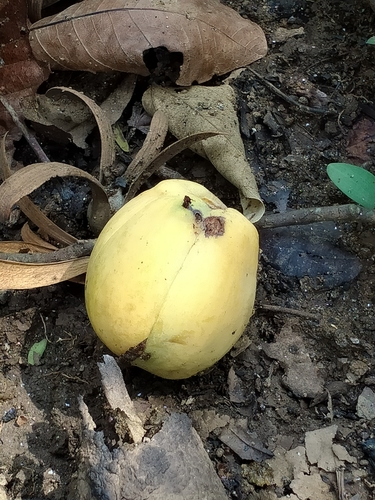
(c) Naufal Urfi Dhiya'ulhaq, some rights reserved (CC BY-NC)
iNaturalist· cc-by-nc
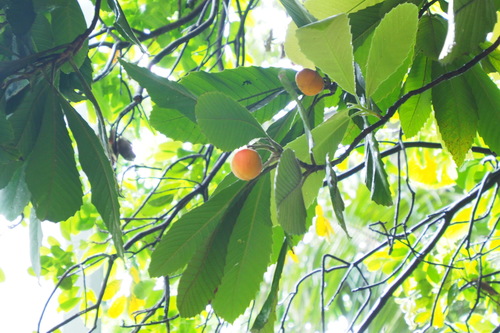
(c) Naufal Urfi Dhiya'ulhaq, some rights reserved (CC BY-NC)
iNaturalist· cc-by-nc
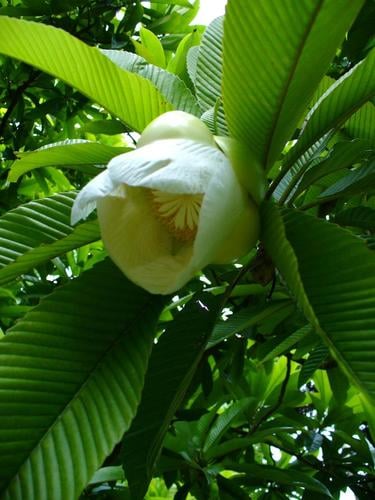
(c) sugumaran, some rights reserved (CC BY-NC)
Description
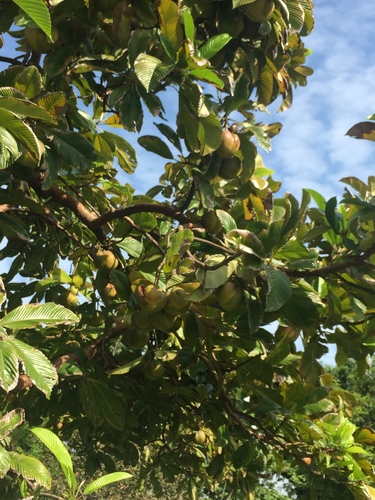
A woody vine. The leaves are very rough, alternate and pointed at both ends but longer near the tip than the base. They are toothed around the edge and the surface is rough. The flowers are rather small and white and borne on compound flower arrangements. The fruit are small and red.
Edible Uses
When the stem is cut, it yields drinking water that can be collected and consumed.
Traditional Uses
The stem when cut gives drinking water.
This uses section is brief — help expand it
Medicinal Uses
A decoction of the leaves is used in the treatment of dysentery. The pounded young leaves are added to water and drunk as a medication for diarrhoea. A decoction of the leaves is applied externally to boils. The finely crushed young shoots are made into a poultice and put on bites of poisonous snakes. The entire plant is considered medicinal. It is used as a diuretic, and in a mixture to treat blennorrhoea, and oedema of hepatic and renal origin. A decoction of the plant is administered after childbirth. The stem is antitussive, astringent and diuretic. An infusion is drunk as a treatment against haemoptysis in tuberculosis. The sap of the stem is drunk as a cough medicine. The stem is used, in combination with other plants, to treat oedemas of hepatic and renal origin. The stem infusion is used as a gargle against thrush. Externally the infusion is applied to a sore throat, the action being due to the large amount of tannin it contains. The root is used as an astringent in diarrhoea and is a traditional ingredient in a mixture against burns. The roots are ground and the juice applied to mouth ulcers. In combination with other plants, an infusion is drunk as a febrifuge, a tonic or a depurative.
Distribution
A tropical plant. Apparently common and widely distributed from central Luzon to southern Mindanao in the Philippines in dry forests. In Yunnan.
Where It Grows
Asia, Cambodia, China, India, Indochina, Indonesia, Laos, Malaysia, Myanmar, Pacific, Philippines, SE Asia, Sri Lanka, Thailand, Vietnam,
Cultivation
Plants can be grown from seeds.
Other Uses
The leaves are used as a sandpaper for smoothing wood and for polishing metalwork. Due to their harshness, the leaves are employed to polish small articles. They are also used for scouring pans, plates etc. The flexible and tough young stem may serve as rough cordage. Heated and twisted the stems may serve as bindings, and are considered durable.