Syzygium oleosum
(F. Muell.) B. Hyland
Blue lilly pilly, Blue cherry
iNaturalist· cc-by-nc-sa
(c) Tony Rodd, some rights reserved (CC BY-NC-SA)
iNaturalist· cc-by-nc
(c) Eduardo Ramirez Esteban, some rights reserved (CC BY-NC)
iNaturalist· cc-by-nc
(c) loubird, some rights reserved (CC BY-NC)
Summary
Source: WikipediaSyzygium oleosum, common names include blue lilly pilly, Scented satinash, and blue cherry. It is a species of Syzygium tree native to the eastern Australian rainforests and wet sclerophyll forests.
Description
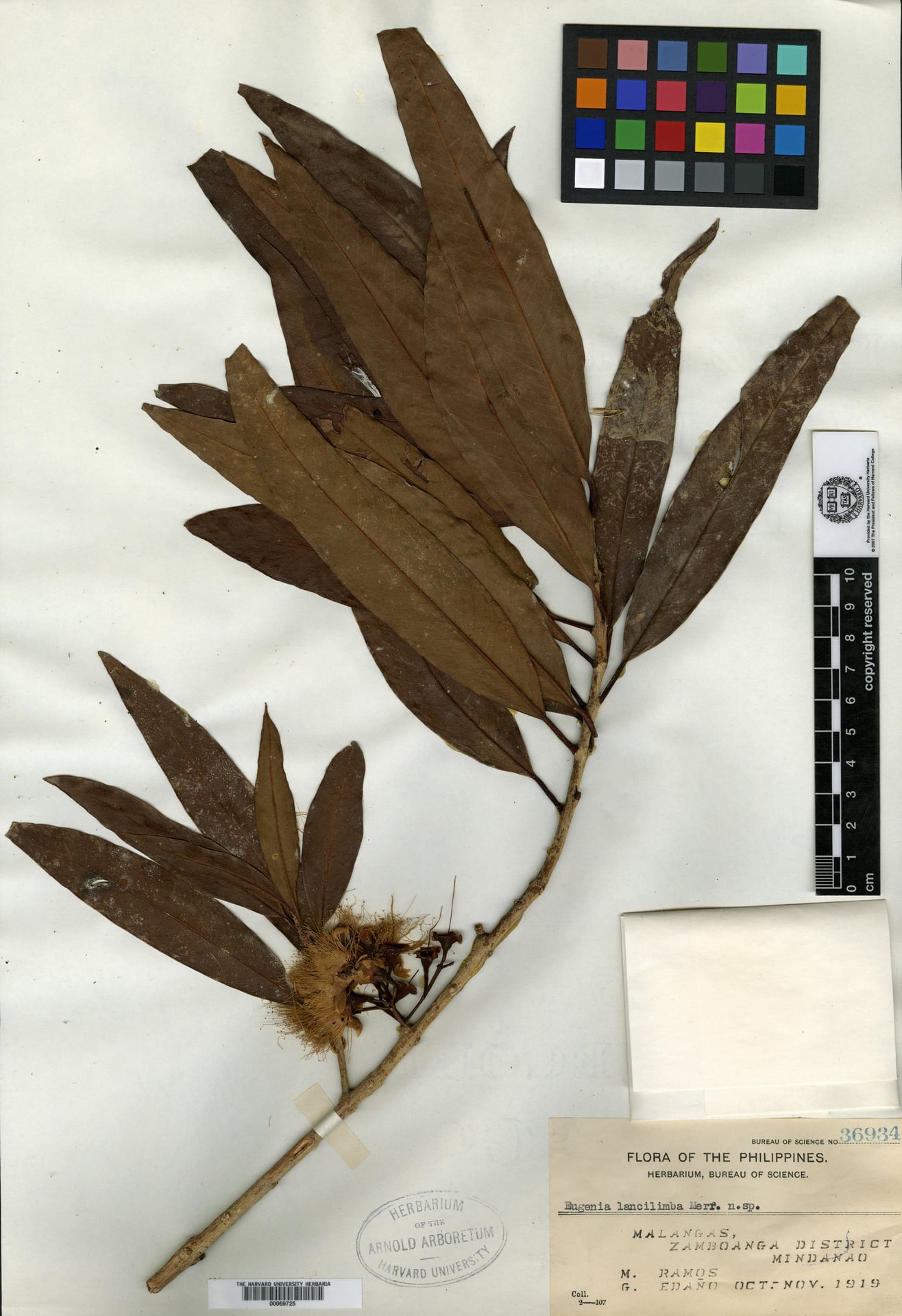
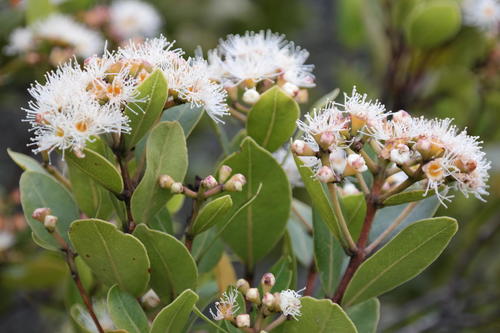
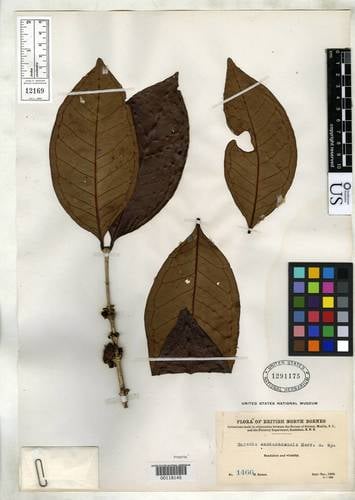
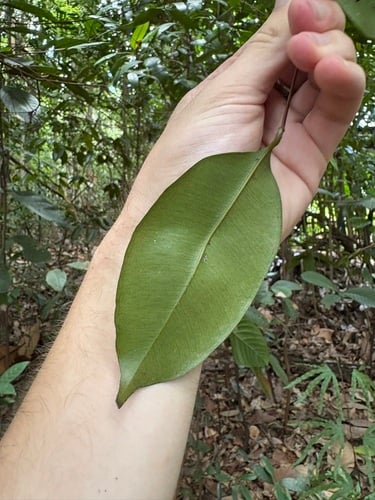
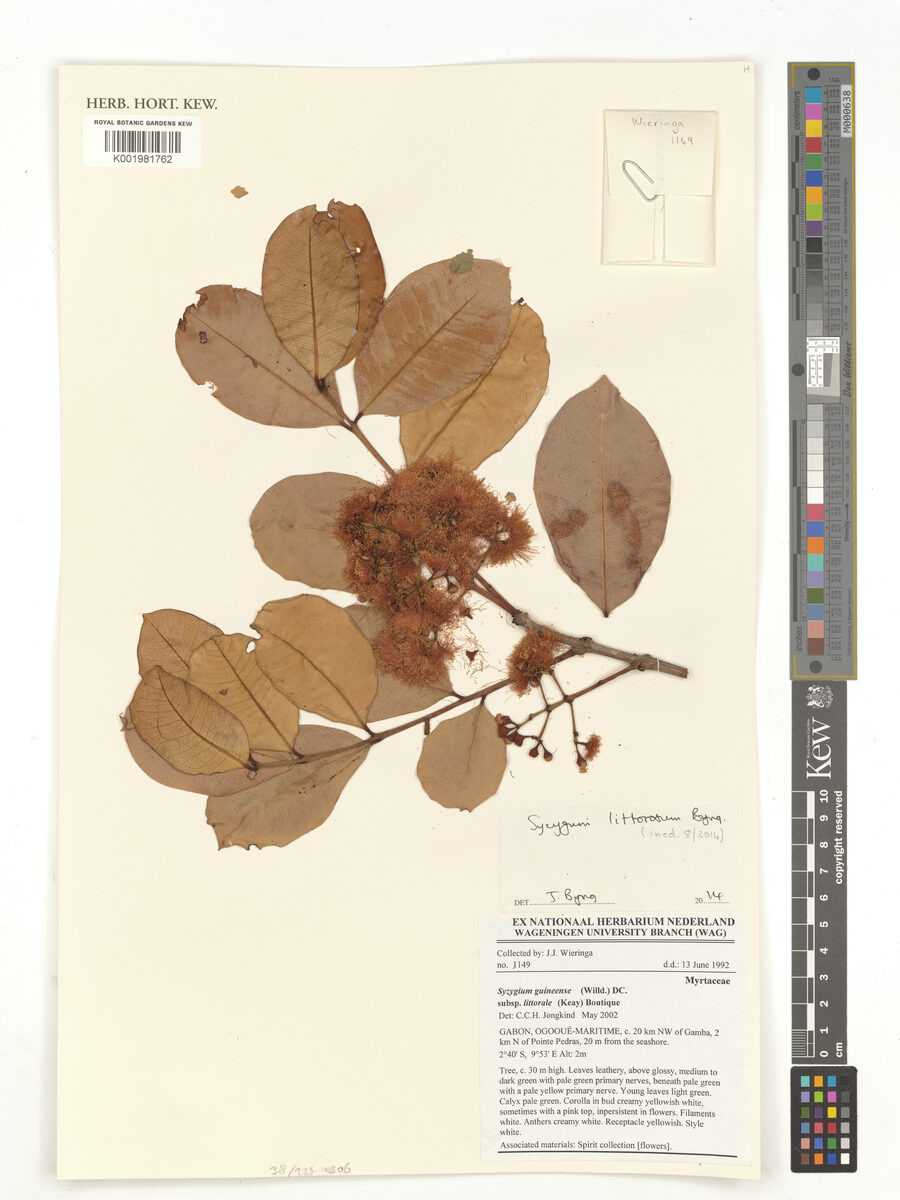
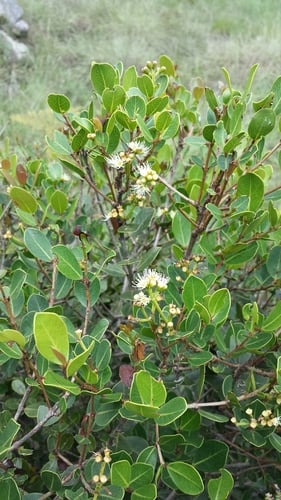
An evergreen shrub or tree. It can grow up to 12 m tall but is usually a shrub 5-6 m high and 3-5 m across. The stem is erect and branching. The bark is grey and smooth. It has a widely spreading crown. Lower branches can touch the ground. The young leaf growth is bronze coloured. The leaves are simple and oval and 3-11 cm long by 3.5 cm wide and taper to a point. They are dark green and shiny on the upper surface and paler green underneath. The leaves have a lemon smell when crushed. The flowers are white and fluffy. They occur in clusters in the angles of the upper leaves but never at the ends of the branches. The fruit are round and change from bright red to shiny blue when ripe. The fruit are about 1.5-2.5 cm across. They have a distinct cavity at the tip. The fruit have one seed inside. The seed is 0.5-0.9 cm across. The fruit are edible. The seed often rattles inside when the fruit is ripe.
Edible Uses
The blue fruit can be eaten freshly picked from the tree or cooked. It has a pleasantly crisp texture and is mildly aromatic and sweet. The fruit can also be made into jams, jellies and wine. It is also grown as an ornamental plant.
Traditional Uses
The fruit are eaten raw. They also make good jams and jellies.
This uses section is brief — help expand it
Distribution
A tropical plant. It grows in warm temperate regions but can grow in the tropics and subtropics. It needs well-drained soil. It occurs in Queensland and New South Wales in Australia in warm temperate rainforest. It can occur as a shrubby bush near the sea, or in pasture. It can stand light frosts. In Adelaide Botanical Gardens. Melbourne Botanical gardens. It prefers light to medium soils. They need to be well drained and with good organic matter. A protected partly shaded position is needed. It is drought and frost tender. It suits hardiness zones 9-12.
Where It Grows
Australia*,
Cultivation
Plants are easily grown. They are grown from fresh seeds or cuttings. Cuttings strike fairly easily. Plants adapt to a range of soils and climates.
Propagation
Seed - best sown as soon as it is ripe - the whole fruit can be sown if required. Germination takes 4 - 9 weeks. Cuttings of firm, current season's growth. They usually root easily.
Other Uses
The wood is seldom large enough to be utilized.
Production
Flowerings occurs in November to February and fruit are ripe March to October.
Other Information
It is cultivated.
Synonyms
Also Known As
Oily Satinash, Scented satinash
References (26)
- Anon., 2003, Native Plants for the Fitzroy basin. Society for Growing Australian Plants Inc. (Rockhampton Branch) p 76
- Bodkin, F., 1991, Encyclopedia Botanica. Cornstalk publishing, p 963 (As Syzygium coolminianum)
- Cherikoff V. & Isaacs, J., The Bush Food Handbook. How to gather, grow, process and cook Australian Wild Foods. Ti Tree Press, Australia p 197
- Cooper W & Cooper W T, 1994, Fruits of the Rain Forest. RD Press p 276
- Cooper, W. and Cooper, W., 2004, Fruits of the Australian Tropical Rainforest. Nokomis Editions, Victoria, Australia. p 365
Show all 26 references Hide references
- Cribb, A.B. & J.W., 1976, Wild Food in Australia, Fontana. p 32 (As Syzygium coolminianum)
- Cronin, L., 1989, The Concise Australian Flora. Reed. p 146
- Cundall, P., (ed.), 2004, Gardening Australia: flora: the gardener's bible. ABC Books. p 1393
- Facciola, S., 1998, Cornucopia 2: a Source Book of Edible Plants. Kampong Publications, p 160 (As Syzygium coolminianum)
- Hibbert, M., 2002, The Aussie Plant Finder 2002, Florilegium. p 296
- Jackes, B.R., 2001, Plants of the Tropics. Rainforest to Heath. An Identification Guide. James Cook University. p 69
- Jones D, L, 1986, Ornamental Rainforest Plants in Australia, Reed Books, p 80, 340
- Lord, E.E., & Willis, J.H., 1999, Shrubs and Trees for Australian gardens. Lothian. p 21 (As Syzygium coolminianum)
- Low, T., 1991, Wild Food Plants of Australia. Australian Nature FieldGuide, Angus & Robertson. p 77
- Melzer, R. & Plumb, J., 2011, Plants of Capricornia. Belgamba, Rockhampton. p 266
- Molyneux, B. and Forrester, S., 1997, The Austraflora A-Z of Australian Plants. Reed. p 152
- Nicholson, N & H., 1996, Australian Rainforest Plants 3, Terania Rainforest Publishing. NSW. p 60
- Queensland Forest Service, 1991, Trees and Shrubs. Department of Primary Industries. p 117
- Radke, P & A, Sankowsky, G & N., 1993, Growing Australian Tropical Plants. Frith & Frith, Australia. p 62
- Ratcliffe D & P., 1987, Australian Native Plants for Indoors. Little Hills press. p 135
- Ryan, M. (Ed.), 2003, Wild Plants of Greater Brisbane. Queensland Museum. p 298
- Smith, K., 1998. Growing Uncommon Fruits and Vegetables. New Holland. p 98 (As Syzygium coolminianum)
- Stanley, T. D. & Ross, E. M., 1986, Flora of south-eastern Queensland Volume 2. Queensland Government p 212
- Townsend, K., 1994, Across the Top. Gardening with Australian Plants in the tropics. Society for Growing Australian Plants, Townsville Branch Inc. p 348
- Williams, J.B., Harden, G.J., and McDonald, W.J.F., 1984, Trees and shrubs in rainforests of New South Wales and Southern Queensland. Univ. of New England, Armidale. p 112
- Yallakool Reserve Plant List July 1, 2009 Off internet