Syzygium fibrosum
(F. M. Bailey) T. Hartley & Perry
Fibrous satinash
iNaturalist· cc-by-nc
(c) Russell Cumming, some rights reserved (CC BY-NC), uploaded by Russell Cumming
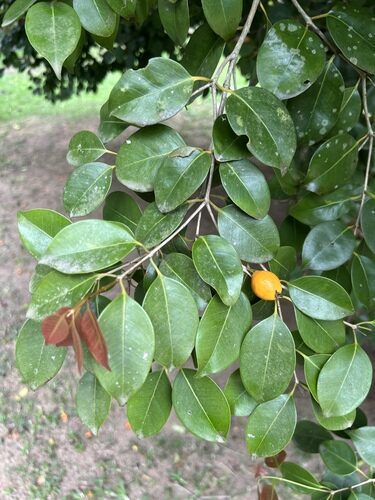
iNaturalist· cc-by-nc
(c) rejen, some rights reserved (CC BY-NC), uploaded by rejen
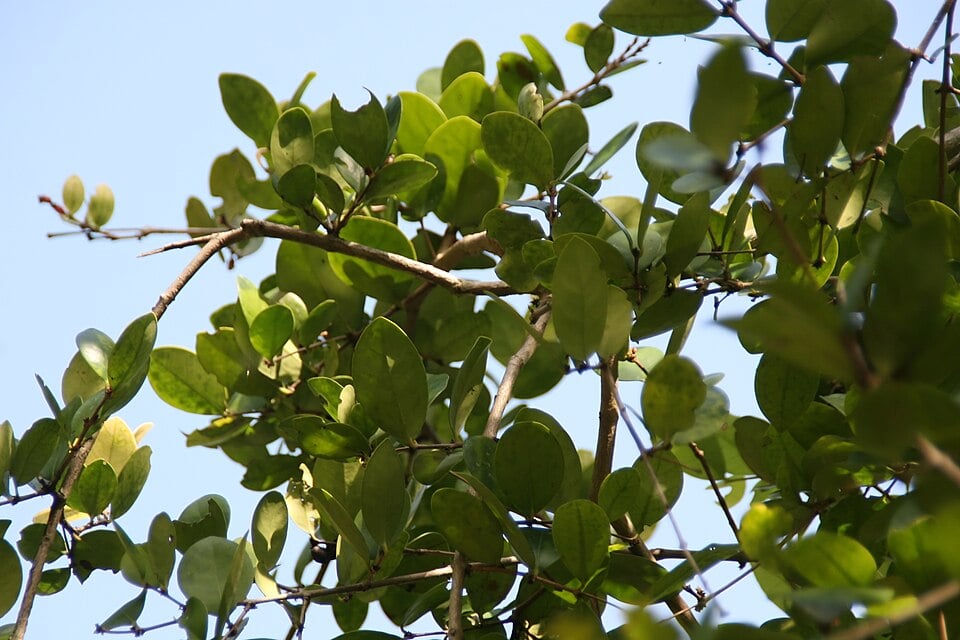
iNaturalist· cc-by
(c) Jane C Frost, some rights reserved (CC BY), uploaded by Jane C Frost
Summary
Source: WikipediaSyzygium fibrosum is a species of trees native to rainforest, monsoon forest and gallery forest of New Guinea, and northern Australia. Common names include small red apple, (Bamaga) fibrous satinash and apricot satinash.
Description
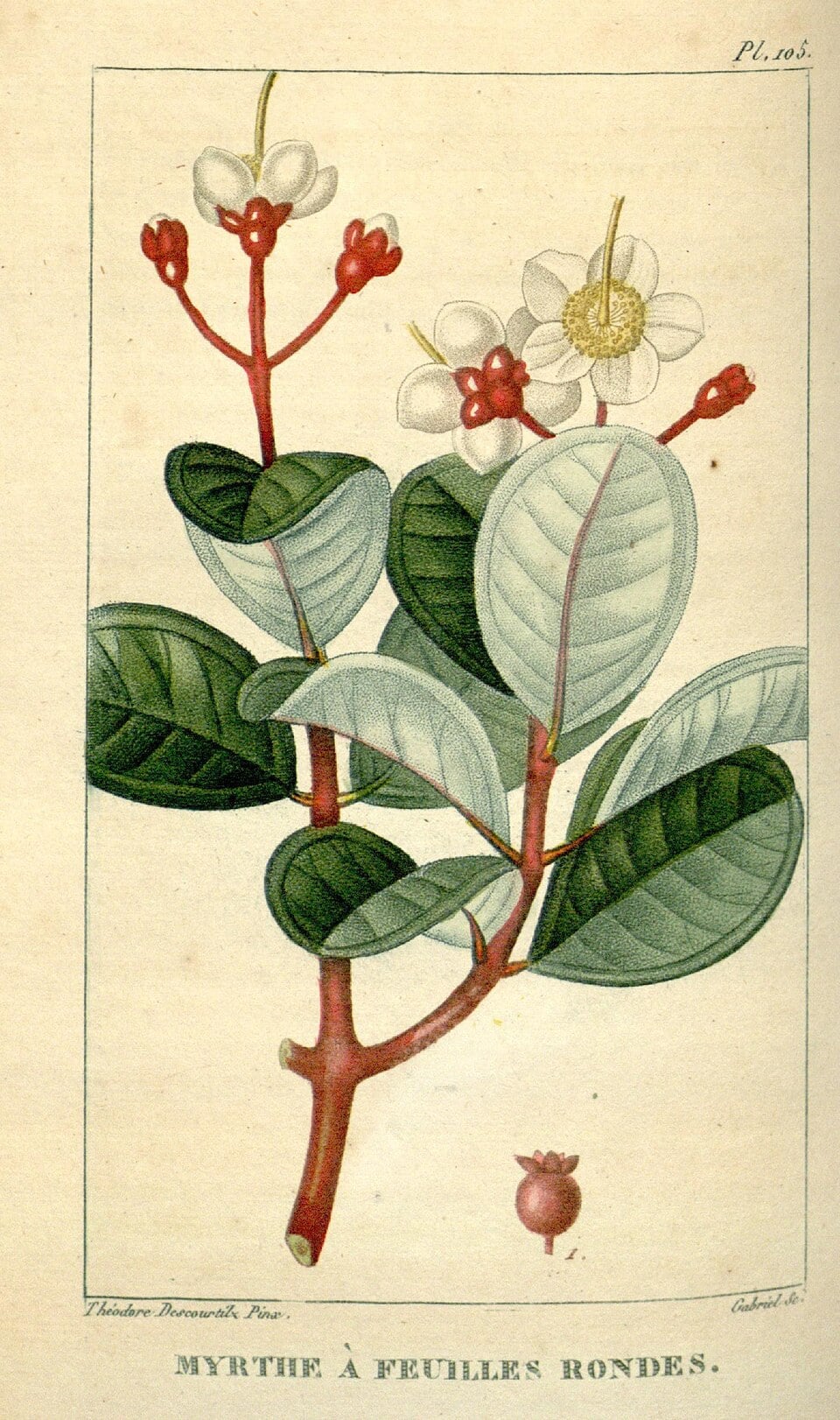
A tree that grows about 5-10-15 m tall. It has a rounded canopy of leaves. The new leaf growth is bright purplish red. (This is more so when plants are in sunny positions.) The branches usually hang downwards. The bark is smooth and mottled brown-grey. The leaves are sword shaped and thick and leathery. They are 6-15 cm long by 4-5 cm wide. They are dark green and shiny on the upper surface and paler underneath. The tip is pointed. The flowers occur in clusters on the ends of branches. The flowers are dull orange to brown. They have many stamens which can be 2.5 cm long giving the flower a fluffy appearance. The fruit are round and bright red when ripe. They are fleshy and 2 cm across. The crown at the end is prominent. The fruit have one seed inside. Fruit can often be seedless. The fruit is edible.
Edible Uses
The tree is cultivated to a limited extent for its sour fruit, which are used in jams and confectionery.
Traditional Uses
The fruit is eaten raw. They can also be used for jam.
This uses section is brief — help expand it
Distribution
A tropical plant. Trees occur in northeast Queensland in Australia and in Papua New Guinea. It is a rainforest species and also occurs in monsoon vine forest. It often grows near stream banks and in shady positions. They need well drained soils. They benefit from organic matter in the soil. It grows up to 1,400 m above sea level.
Where It Grows
Asia, Australia*, Pacific, Papua New Guinea, PNG, SE Asia, Singapore,
Cultivation
Plants are grown from seed. They can be grown from cuttings but the cuttings are slow to strike.
Propagation
Seed - many fruits are seedless. Fresh, peeled seed can germinate in 1 - 2 months. Cuttings are slow to root.
Other Uses
This species has no commercial value and does not grow large enough to produce useful logs.
Production
Trees flower from April to December and the fruit are ripe July to January.
Synonyms
Also Known As
Apricot satinash, Bamaga fibrous satinash, Small red apple, Tiwulama
References (18)
- Bonney, N., 2012, Edible Wild Native Plants for Southern Australia. p 110
- Brock, J., 1993, Native Plants of Northern Australia, Reed. p 307
- Cherikoff V. & Isaacs, J., The Bush Food Handbook. How to gather, grow, process and cook Australian Wild Foods. Ti Tree Press, Australia p 201
- Cooper W & Cooper W T, 1994, Fruits of the Rain Forest. RD Press p 272
- Cooper, W. and Cooper, W., 2004, Fruits of the Australian Tropical Rainforest. Nokomis Editions, Victoria, Australia. p 362
Show all 18 references Hide references
- Hartley, T. G. & Perry, L. M., 1973, Syzygium (Myrtaceae) from Papuasia J. Arn. Arb. Vol 54 p 201
- Hibbert, M., 2002, The Aussie Plant Finder 2002, Florilegium. p 296
- Jackes, B.R., 2001, Plants of the Tropics. Rainforest to Heath. An Identification Guide. James Cook University. p 69
- Jones D, L, 1986, Ornamental Rainforest Plants in Australia, Reed Books, p 78, 340
- Lazarides, M. & Hince, B., 1993, Handbook of Economic Plants of Australia, CSIRO. p 233
- Nicholson, N & H., 1996, Australian Rainforest Plants 2, Terania Rainforest Publishing. NSW. p 58
- Plants of Papua New Guinea LAE herbarium record
- Queensland Forest Service, 1991, Trees and Shrubs. Department of Primary Industries. p 116
- Radke, P & A, Sankowsky, G & N., 1993, Growing Australian Tropical Plants. Frith & Frith, Australia. p 12, 60
- Tiwi Plants and Animals. 2001, Aboriginal flora and fauna knowledge from Bathurst and Melville Islands, northern Australia. Northern Territory Botanical Bulletin; No. 24 p 80
- Townsend, K., 1994, Across the Top. Gardening with Australian Plants in the tropics. Society for Growing Australian Plants, Townsville Branch Inc. p 346
- World Checklist of Useful Plant Species 2020. Royal Botanic Gardens, Kew
- Yunupinu Banjgul, Laklak Yunupinu-Marika, et al. 1995, Rirratjinu Ethnobotany: Aboriginal Plant Use from Yirrkala, Arnhem Land, Australia. Northern Territory Botanical Bulletin No 21. Parks and Wildlife Commission of the Northern Territory. p 71.