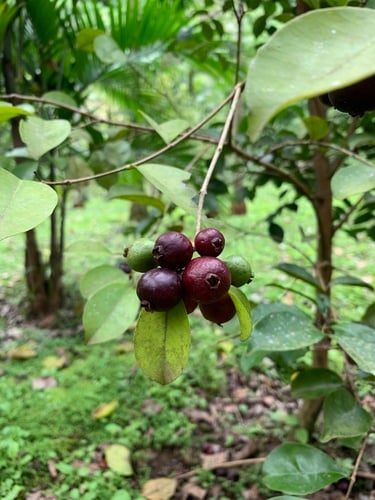
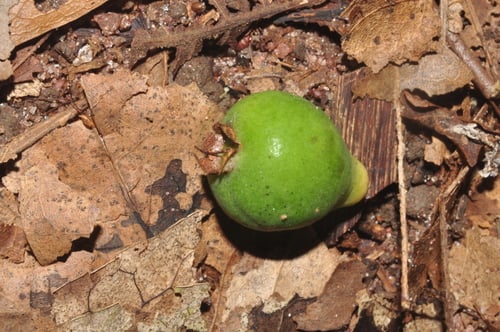
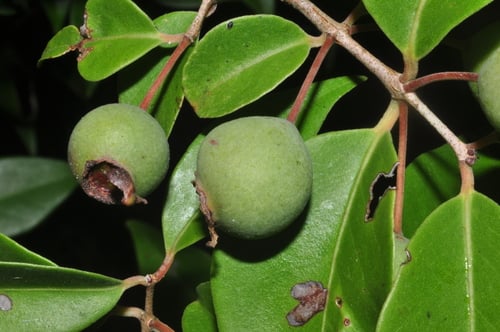
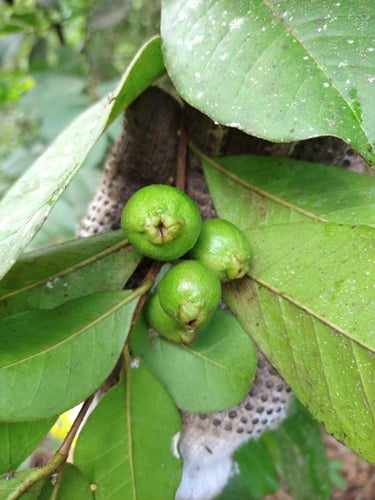
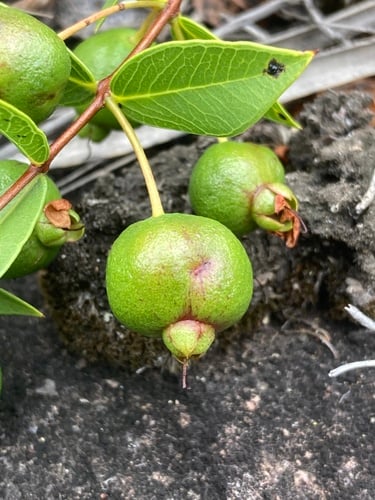
Rhodomyrtus tomentosa var. parviflora
(Alston) A. J. Scott
Hill Gooseberry, Downy rosemyrtle
iNaturalist· cc-by-nc
(c) nkc, some rights reserved (CC BY-NC)
iNaturalist· cc-by-nc-sa
(c) Ahmad Fuad Morad, some rights reserved (CC BY-NC-SA)
iNaturalist· cc-by-nc-sa
(c) Kai Yan, Joseph Wong, some rights reserved (CC BY-NC-SA)
Summary
Source: WikipediaRhodomyrtus tomentosa also known as rose myrtle, is a flowering plant in the family Myrtaceae, native to southern and southeastern Asia, from India, east to southern China, Hong Kong, Taiwan and the Philippines, and south to Malaysia and Sulawesi. It grows in coasts, natural forest, riparian zones, wetlands, moist and wet forests, bog margins, from sea level up to 2400 m elevation.
Description
A small evergreen shrub. It grows 1-2 m tall. The leaves have a cream or yellow covering.
This description is brief — help expand it
Edible Uses
The fruit are eaten fresh and also used in pies, jams, and jellies. The flower buds are also edible.
Traditional Uses
The fruit are eaten fresh and used in pies, jams and jellies.
This uses section is brief — help expand it
Distribution
It is a tropical plant.
Where It Grows
Asia, India, Sri Lanka,
Synonyms
Also Known As
Guddade nelli, Koratta, Tavuti, Thaontay, Thavattu
References (2)
- Ambasta S.P. (Ed.), 2000, The Useful Plants of India. CSIR India. p 523 (As Rhodomyrtus parviflora)
- Dobriyal, M. J. R. & Dobriyal, R., 2014, Non Wood Forest Produce an Option for Ethnic Food and Nutritional Security in India. Int. J. of Usuf. Mngt. 15(1):17-37