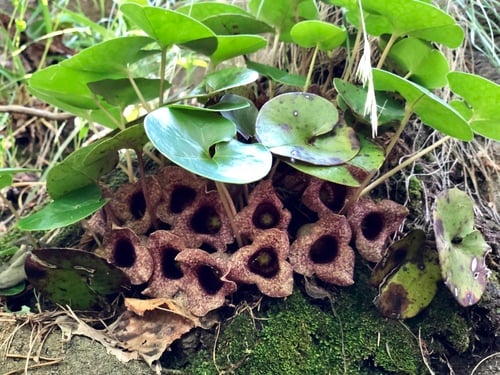
Aristolochia contorta
Bunge
Ma dou ling
iNaturalist· cc-by-nc
(c) V.S. Volkotrub, some rights reserved (CC BY-NC), uploaded by V.S. Volkotrub
iNaturalist· cc-by
(c) Jane Charlen, some rights reserved (CC BY), uploaded by Jane Charlen
iNaturalist· cc-by-nc
(c) 红梅, some rights reserved (CC BY-NC), uploaded by 红梅
Summary
Source: WikipediaAristolochia contorta, commonly known as northern pipevine, also known as birthwort, is a climbing perennial shrub.
Description
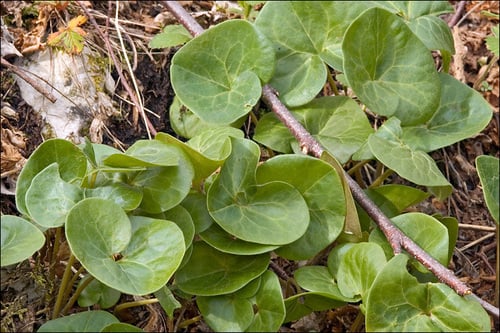
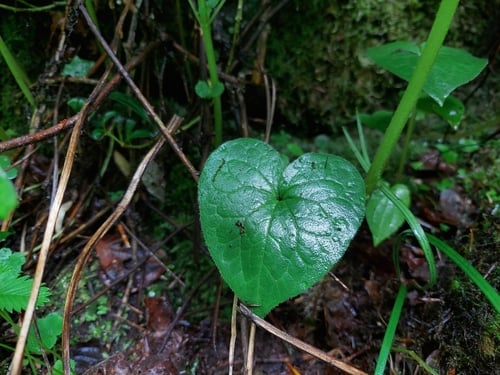
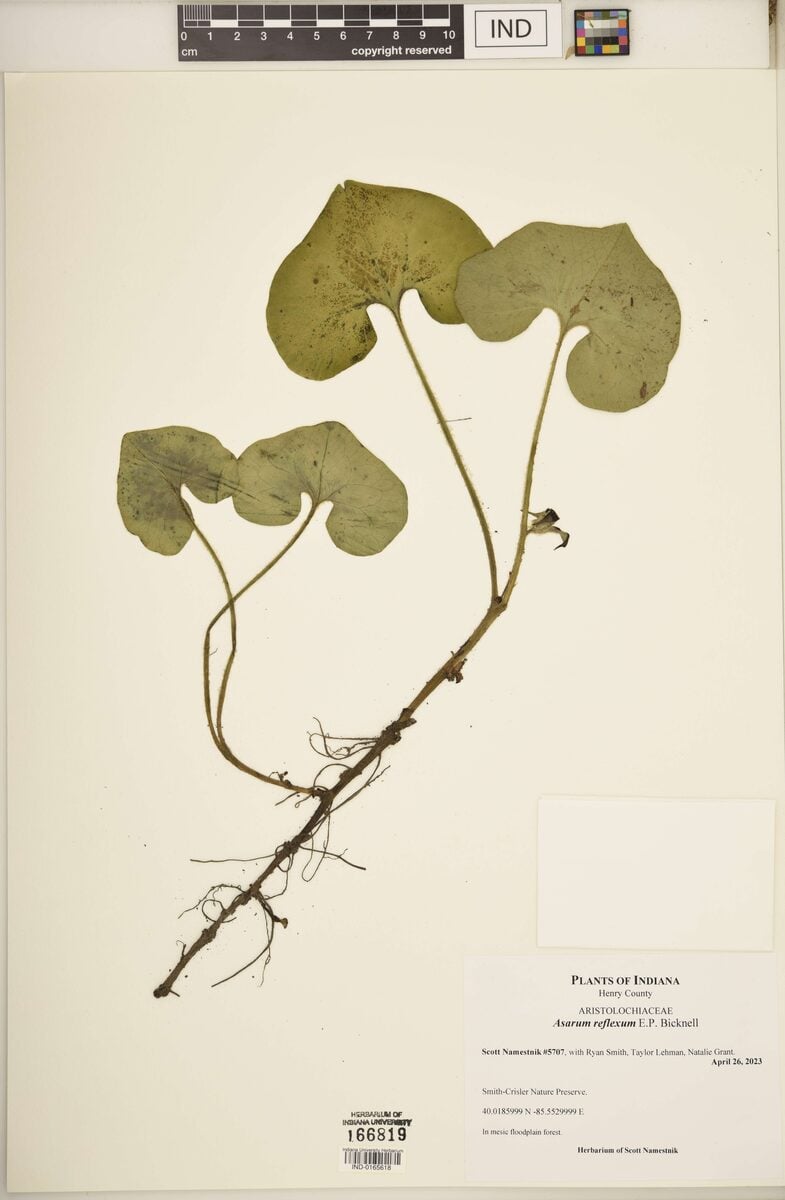
A perennial herb. It grows up to 1 m high. It can be climbing. The leaf stalk is 2-7 cm long. The leaves are narrowly D shaped or heart shaped and 3-13 cm long by 3-10 cm wide. They are papery.
Edible Uses
Edible Parts: Leaves Edible Uses: Leaves - cooked. Some caution is advised, see the notes above on toxicity.
Traditional Uses
CAUTION: It has been reported as poisonous and medicinal.
This uses section is brief — help expand it
Medicinal Uses
Antiasthmatic Antiseptic Antitussive Cancer Dysentery Expectorant Sedative The fruit and its capsule are antiasthmatic, antiseptic, antitussive and expectorant. A decoction of the fruit is used in the treatment of cancer, coughs, inflammation of the respiratory organs, haemorrhoids and hypertension. It is also used to resolve phlegm and lower blood pressure. It has an antibacterial action, effective against Staphylococcus aureus, Pneumococci, bacillus dysentericae etc. The root contains aristolochic acid. This has anti-cancer properties and can be used in conjunction with chemotherapy and radiotherapy. Aristolochic acid can also be used in the treatment of acute and serious infections such as TB, hepatitis, liver cirrhosis and infantile pneumonia. It also increases the cellular immunity and phagocytosis function of the phagocytic cells. Aristolochic acid is said to be too toxic for clinical use. The root is used as a purgative in the treatment of rabies and also has sedative properties.
Known Hazards
We have no specific details for this species but most members of this genus have poisonous roots and stems. The plant contains aristolochic acid, this has received rather mixed reports on its toxicity. According to one report aristolochic acid stimulates white blood cell activity and speeds the healing of wounds, but is also carcinogenic and damaging to the kidneys. Another report says that it is an active antitumour agent but is too toxic for clinical use. Another report says that aristolochic acid has anti-cancer properties and can be used in conjunction with chemotherapy and radiotherapy and that it also increases the cellular immunity and phagocytosis function of the phagocytic cells.
Distribution
It is a temperate plant. It grows on mountain slopes and valleys between 500-1,200 m above sea level in north China.
Where It Grows
Asia, China, Indochina, Japan, Korea, Manchuria, Russia, SE Asia, Siberia, Vietnam,
Cultivation
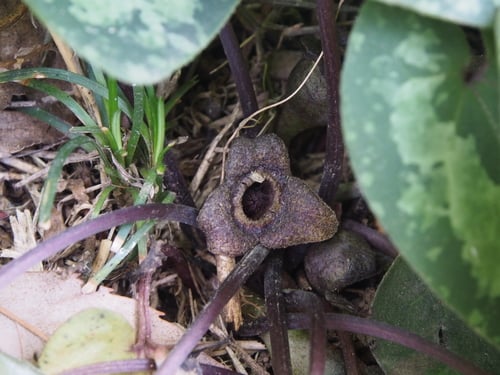
We have very little information on this species and do not know if it will be hardy in Britain, though judging by its native range it should succeed outdoors in many parts of this country. The following notes are based on the general needs of the genus. Prefers a well-drained loamy soil, rich in organic matter, in sun or semi-shade. Succeeds in ordinary garden soil. Most species in this genus have malodorous flowers that are pollinated by flies.
Propagation
Seed - best sown in a greenhouse as soon as it is ripe in the autumn. Pre-soak stored seed for 48 hours in hand-hot water and surface sow in a greenhouse. Germination usually takes place within 1 - 3 months at 20°c. Stored seed germinates better if it is given 3 months cold stratification at 5°c. When large enough to handle, prick the seedlings out into individual pots and grow them on in the greenhouse for their first winter. Plant out in late spring or early summer after the last expected frosts. Division in autumn. Root cuttings in winter.
Other Uses
None known Special Uses
Notes
The Aristolochiaceae are mostly tropical and subtropical. There are about 500 Aristolochia species.
Synonyms
Also Known As
Sondich van
References (2)
- Enum. pl. China bor. 58. 1833 (Mem. Acad. Imp. Sci. St.-Petersbourg Divers Savans 2:132. 1835)
- Plants for a Future database, The Field, Penpol, Lostwithiel, Cornwall, PL22 0NG, UK. http://www.scs.leeds.ac.uk/pfaf/