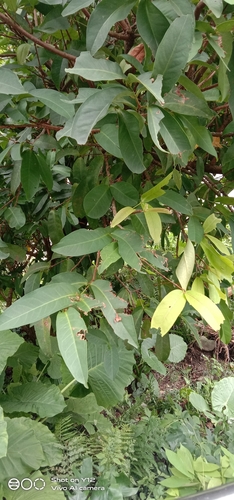
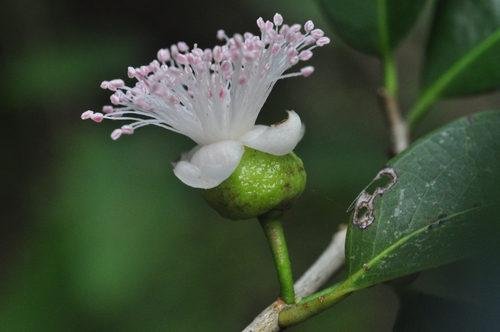
Syzygium alliiligneum
B. Hyland
Mission beach satinash
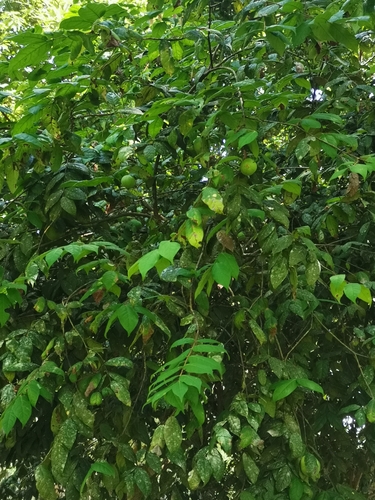
iNaturalist· cc-by-nc
(c) JohnHusseyImages, some rights reserved (CC BY-NC), uploaded by JohnHusseyImages
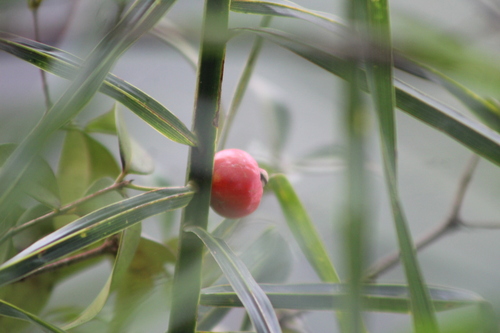
iNaturalist· cc-by-nc
(c) Russell Cumming, some rights reserved (CC BY-NC), uploaded by Russell Cumming
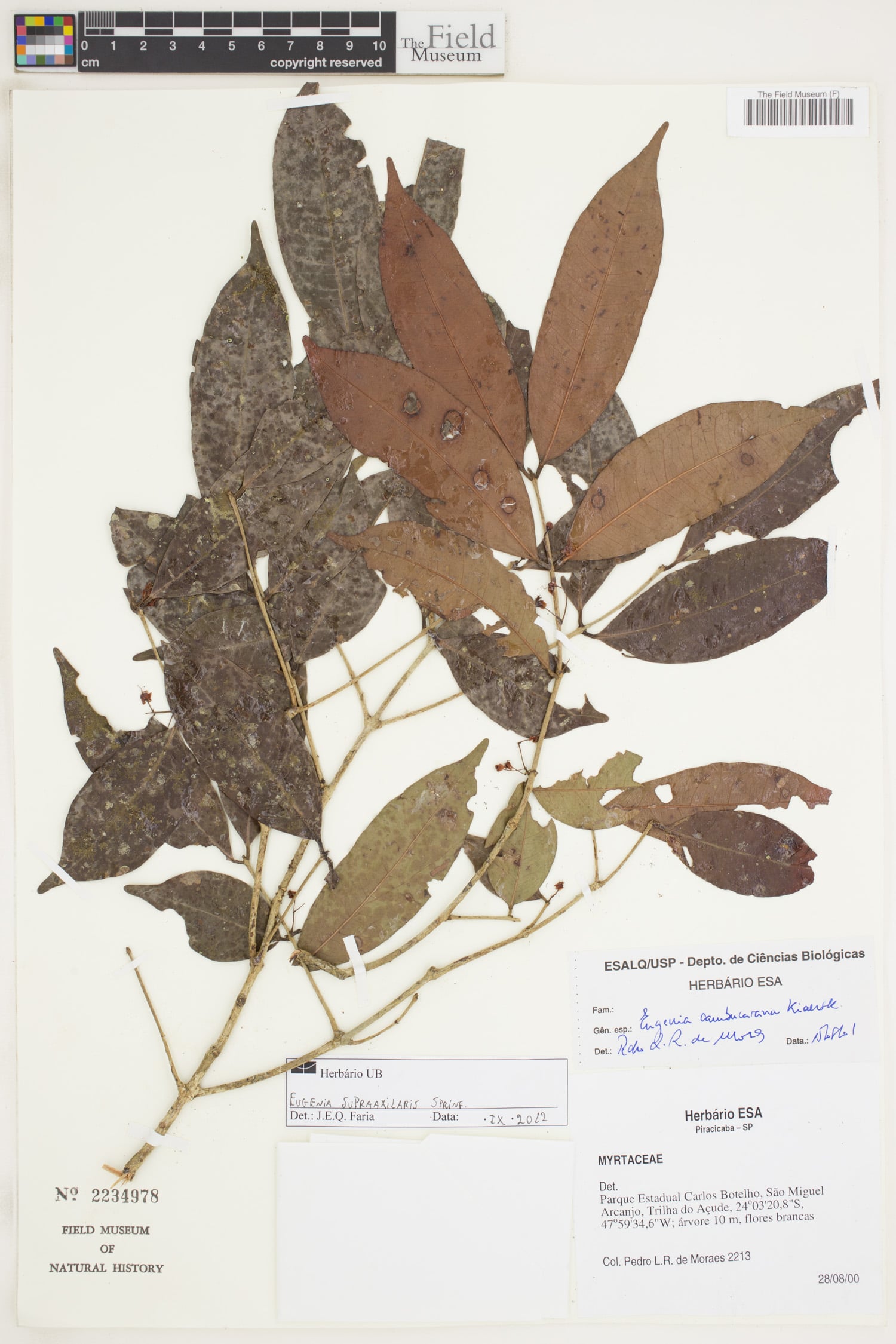
iNaturalist· cc-by-sa
(c) Steve Fitzgerald, some rights reserved (CC BY-SA), uploaded by Steve Fitzgerald
Summary
Source: WikipediaSyzygium alliiligneum, commonly known as onionwood, Mission Beach satinash or bark in the wood is a species of plant in the family Myrtaceae. It is endemic to a small part of north eastern Queensland.
Description
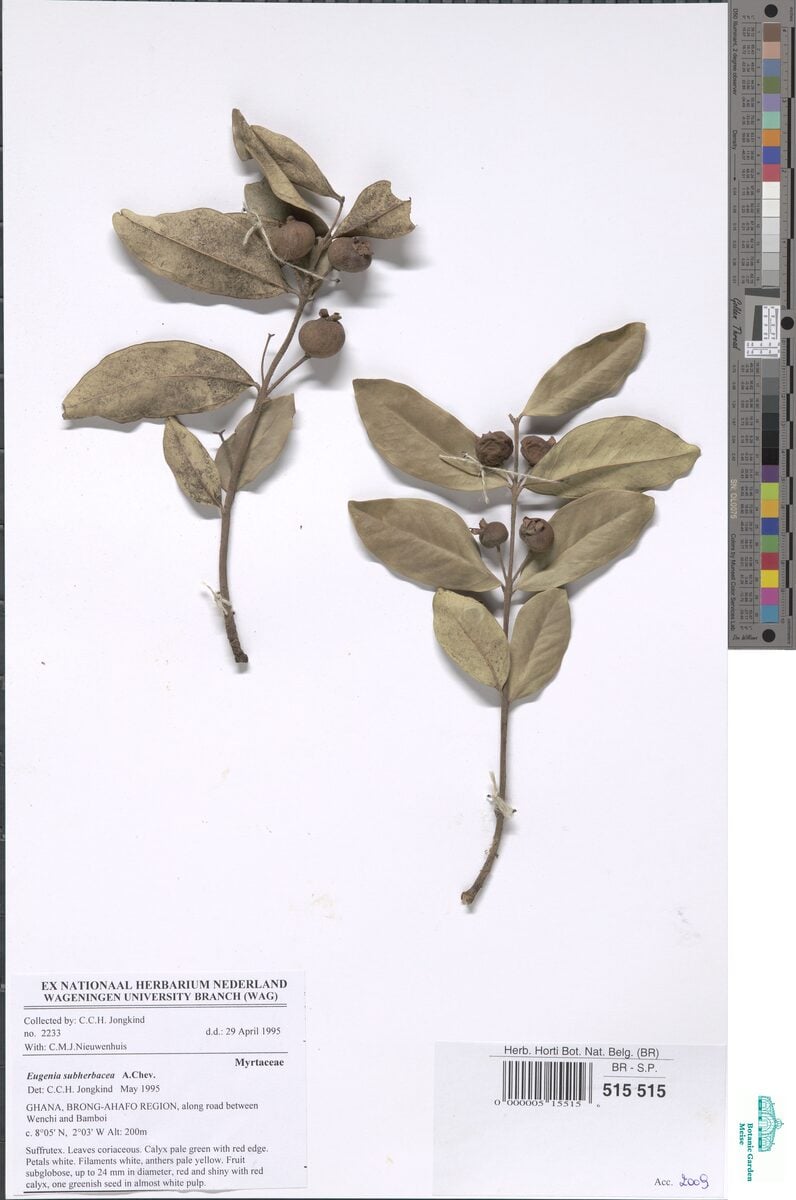
A tree up to 15-30 m tall. It develops a round crown. The bark is red and papery. The leaves are broad oval shaped and stiff. They are 10-12 cm long by 5 cm wide. On the upper surface the leaves are dark green and shiny but underneath they are paler and more dull. Young leaves are red. The flowers are cream and in clusters on the ends of branches. The fruit are bright red and fleshy. They are 4-5 cm across. The fruit have a crown at the end and are often somewhat square in shape. The fruit are edible. There is one seed inside. The seed is 2 cm across. The inner bark has concentric rings like an onion.
Edible Uses
The fruit are eaten raw.
Traditional Uses
The fruit is eaten raw.
This uses section is brief — help expand it
Distribution
A tropical plant. It is a tropical rainforest species. It occurs in north east Queensland in Australia. It grows in the very wet lowland rainforest. It grows from sea level up to 700 m altitude. Trees need plenty of moisture. They prefer sandy soils.
Where It Grows
Australia*, SE Asia, Singapore,
Cultivation
Trees are grown from fresh seed.
Propagation
Seed - fresh, peeled, clean seed germinates quickly.
Other Uses
When grown in an open sunny position it makes an excellent, bushy, screen plant.
Production
Flowers occur from February to March and the fruit are ripe July to October.
Also Known As
Onionwood, Puddenwood
References (6)
- Barwick, M., 2004, Tropical and Subtropical Trees. A Worldwide Encyclopedic Guide. Thames and Hudson p 391
- Cooper W & Cooper W T, 1994, Fruits of the Rain Forest. RD Press p 266
- Cooper, W. and Cooper, W., 2004, Fruits of the Australian Tropical Rainforest. Nokomis Editions, Victoria, Australia. p 358
- Hiddins, L., 1999, Explore Wild Australia with the Bush Tucker Man. Penguin Books/ABC Books. p 156
- Jones, D. L., 1986, Ornamental Rainforest Plants in Australia, Reed Books, p 74
Show all 6 references Hide references
- Townsend, K., 1994, Across the Top. Gardening with Australian Plants in the tropics. Society for Growing Australian Plants, Townsville Branch Inc. p 342