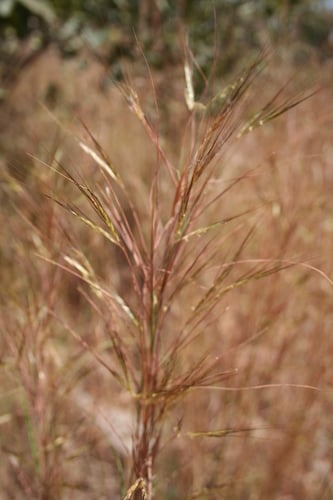
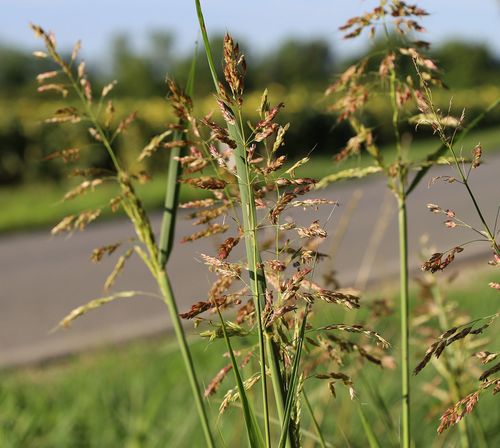
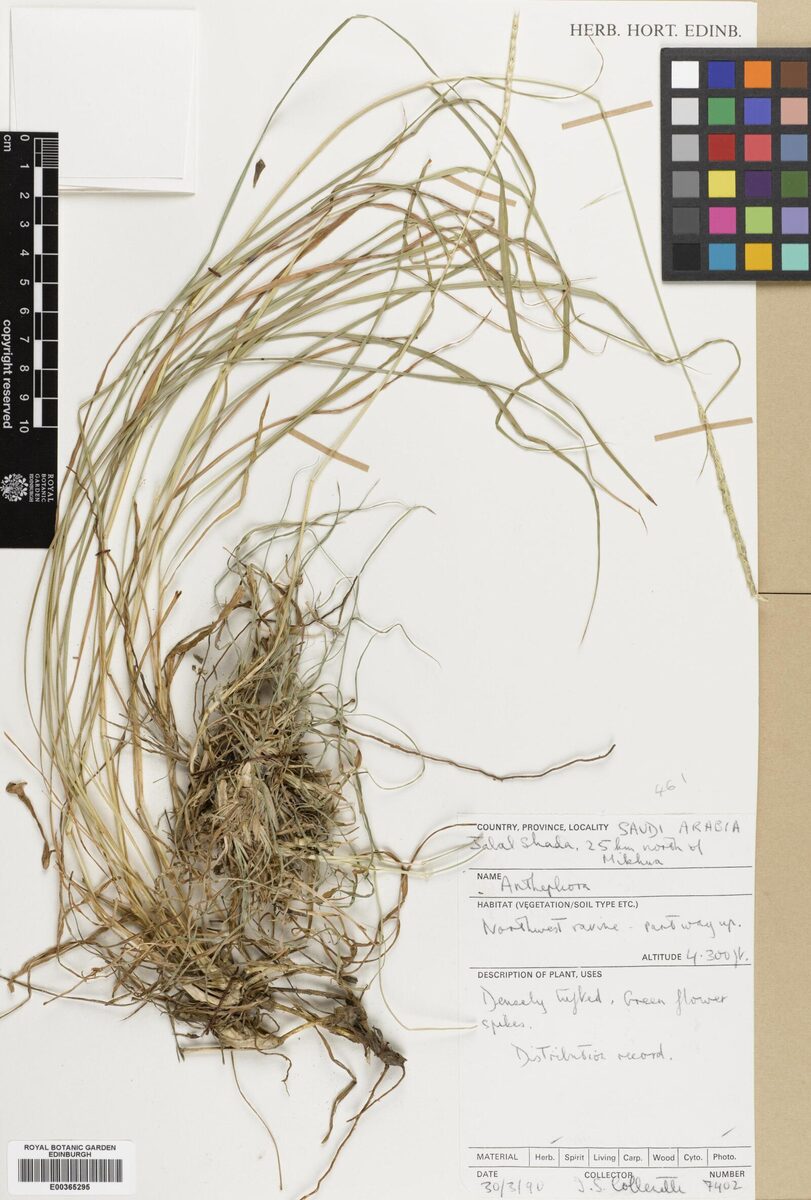
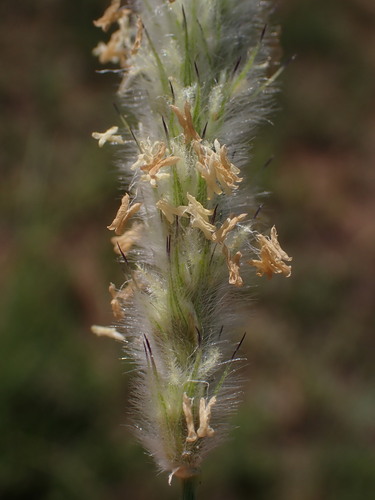
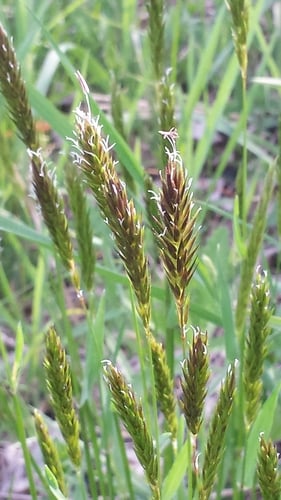
Aristida pungens
Desf.
iNaturalist· cc-by-nc
(c) mariomtte, some rights reserved (CC BY-NC)
iNaturalist· cc-by-nc
(c) mariomtte, some rights reserved (CC BY-NC)
iNaturalist· cc-by-nc
(c) mariomtte, some rights reserved (CC BY-NC)
Summary
Source: WikipediaAristida pungens is a member of the family Poaceae, known in Arabic as drinn.
Description
A grass plant. It forms tufts and grows 1.5 m tall. It has long branched rhizomes or underground stems. The leaves are stiff and spiny.
This description is brief — help expand it
Edible Uses
Aristida pungens is a tall perennial plant with deep roots and long leaves. Extremely drought-resistant, drinn grows in areas with as little as 70 mm of rainfall per year. A traditional food plant in Africa, this grain has potential to improve nutrition, boost food security, foster rural development, and support sustainable landcare.
Traditional Uses
It is used in kreb a grain mixture eaten in Chad.
This uses section is brief — help expand it
Distribution
A tropical plant. It grows in sand dunes.
Where It Grows
Africa, Central Africa, Chad, Libya, Mauritania, Mediterranean, North Africa, Sahara, West Africa,
Other Information
It is a famine food. Enjoyed in some places.
Notes
There are about 330 Aristida species.
Synonyms
Also Known As
Drinn, Eilig
References (6)
- Bircher, A. G. & Bircher, W. H., 2000, Encyclopedia of Fruit Trees and Edible Flowering Plants in Egypt and the Subtropics. AUC Press. p 41
- Fl. atlant. 1:109, t. 35. 1798
- Food Composition Tables for use in Africa FAO http://www.fao.org/infoods/directory No. 34
- Jardin, C., 1970, List of Foods Used In Africa, FAO Nutrition Information Document Series No 2.p 1
- National Research Council, 1996, Lost crops of Africa. Volume 1 grains, p 259
Show all 6 references Hide references
- Rivera, D. et al, 2006, Gathered Mediterranean Food Plants - Ethnobotanical Investigations and Historical Development, in Heinrich M, Müller WE, Galli C (eds): Local Mediterranean Food Plants and Nutraceuticals. Forum Nutr. Basel, Karger, 2006, vol 59, pp 18–74