Cymbopogon winterianus
Jowitt ex Bor
Java citronella
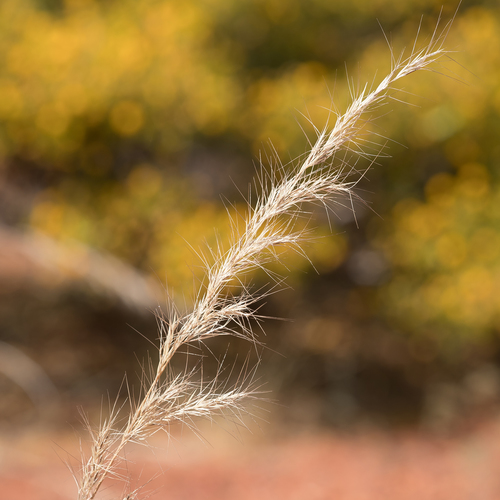
iNaturalist· cc-by-sa
(c) Leoadec, some rights reserved (CC BY-SA)
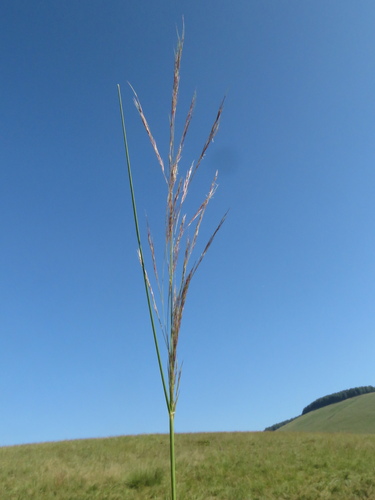
wikimedia· cc-by-sa
Wikimedia Commons - Dinesh Valke from Thane, India
Summary
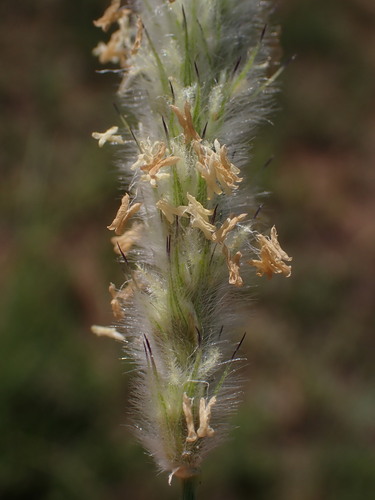
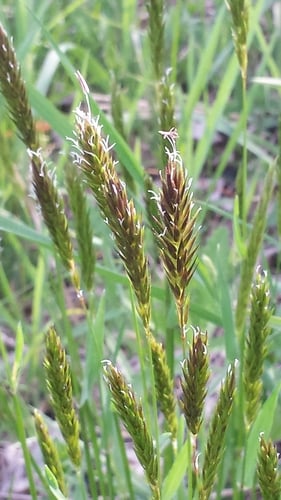
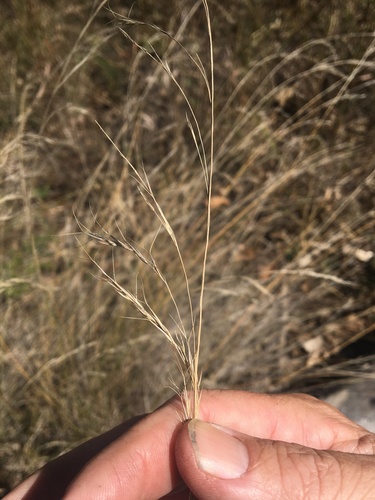
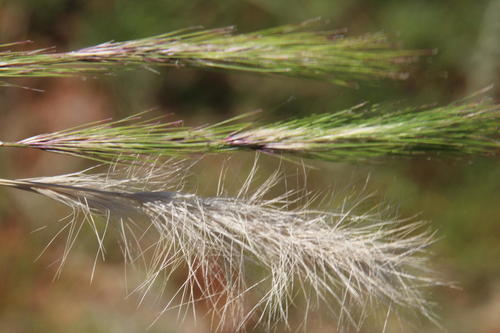
Source: WikipediaCymbopogon winterianus, common name Java citronella, is a perennial aromatic plant from the family Poaceae, originating in western Malesia. Used in perfumery products and cosmetics, a source of Citronella oil.
Description
A grass. It keeps growing from year to year. It has a shallow rooted rhizome. The culms form tufts. It grows 2 m or more tall. The leaves are 80 cm long by 1-2 cm wide.
Edible Uses
The leaves are used as a flavoring and spice in teas, soups, and curries.
Traditional Uses
The leaves are used for tea, soups and curries.
This uses section is brief — help expand it
Medicinal Uses
Poultices of the leaves are used to treat minor cuts and bruises. Extracts (the essential oil or a tea?) are used as a vermifuge and treatment for internal disorders. They are mildly astringent and stomachic.
Distribution
It is a tropical plant. It grows on the edges of forests and in grasslands up to 500 m above sea level. In Sichuan and Yunnan.
Where It Grows
Africa, Asia, Central America, China, Colombia, Costa Rica, Guatemala, India, Indonesia, Nepal, Nicaragua, SE Asia, South America, Sri Lanka, Thailand, Trinidad-Tobago,
Cultivation
Plants can be grown by division of the clump or from rhizomes.
Propagation
Seed - this is often not formed. Seedlings should not be used, other than in breeding programmes, since they are likely to be inferior to the parent plant in essential oil production. Division of the clumps is very easy, with the divisions rooting quickly and forming new stems within a month.
Other Uses
An essential oil is extracted from the leaves. It is widely used in perfumery products and cosmetics, either directly or as a starting material for the production of other aroma compounds. The complete oil is mainly used as an insect repellent for humans and pets and is used in soaps, detergents, household insecticides and technical products. The leaves yield 0.25 - 1.3% citronella oil, which is an almost colourless or pale yellow liquid, with a fresh and sweet rosy top note, a body with notes of rose and lemon and a sweet, somewhat woody dry-out. It is free of the camphene-borneol notes characteristic of Ceylon citronella oil (Cymbopogon nardus). The major chemical components of the oil are citronellal, geraniol, elemol, geranyl acetate, limonene, 'BETA'-elemene, citronellyl acetate and eugenol. The oil contains around 40% citronellal. A preparation of crude citronella oil, mixed with the leaves of neem (Azadirachta indica) and the rhizomes of galangal (Alpinia galanga) is applied as a bio-insecticide in vegetable production and in citrus orchards. The plant is sometimes used to control erosion or to provide mulch.
Also Known As
Java lemon grass, Sereh wangi, Takraihom
References (5)
- Jiwajinda, S., et al, 2002, Suppressive Effects of Edible Thai Plants on Superoxide and Nitric Oxide Generation. Asian Pacific Journal of Cancer Prevention, Vol 3, 2002
- Kew Plants of the World Online
- Rajendra, K.C., 2014. Prominent Non-Wood Forest Products of Te- rai and Siwalik Regions in Nepal. Food and Agriculture Organization, Kathmandu, Nepal. p 57
- Seidemann J., 2005, World Spice Plants. Economic Usage, Botany, Taxonomy. Springer. p 130
- Sukarya, D. G., (Ed.) 2013, 3,500 Plant Species of the Botanic Gardens of Indonesia. LIPI p 1101