Cymbopogon martinii
(Roxb.) J. F. Watson
Rosha grass, Geranium grass, Palmarosa
iNaturalist· cc-by-nc
(c) biobank-lantauhk, some rights reserved (CC BY-NC)
iNaturalist· cc-by-nc
(c) biobank-lantauhk, some rights reserved (CC BY-NC)
iNaturalist· cc-by-nc
(c) biobank-lantauhk, some rights reserved (CC BY-NC)
Summary
Source: WikipediaCymbopogon martinii is a species of grass in the genus Cymbopogon (lemongrasses) native to India and Indochina but widely cultivated in many places for its aromatic oil. It is best known by the common name palmarosa (palm rose) as it smells sweet and rose-like. Other common names include Indian geranium, gingergrass, rosha, and rosha grass.
Description
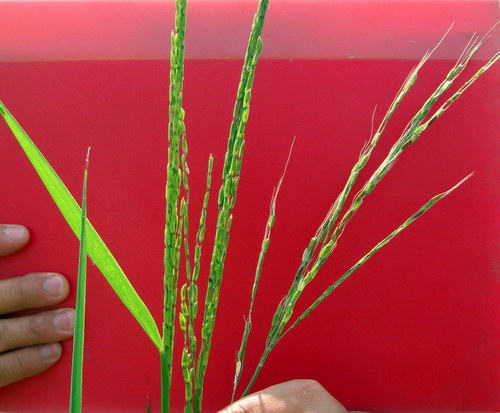
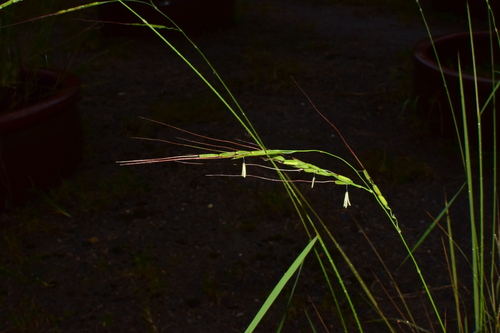
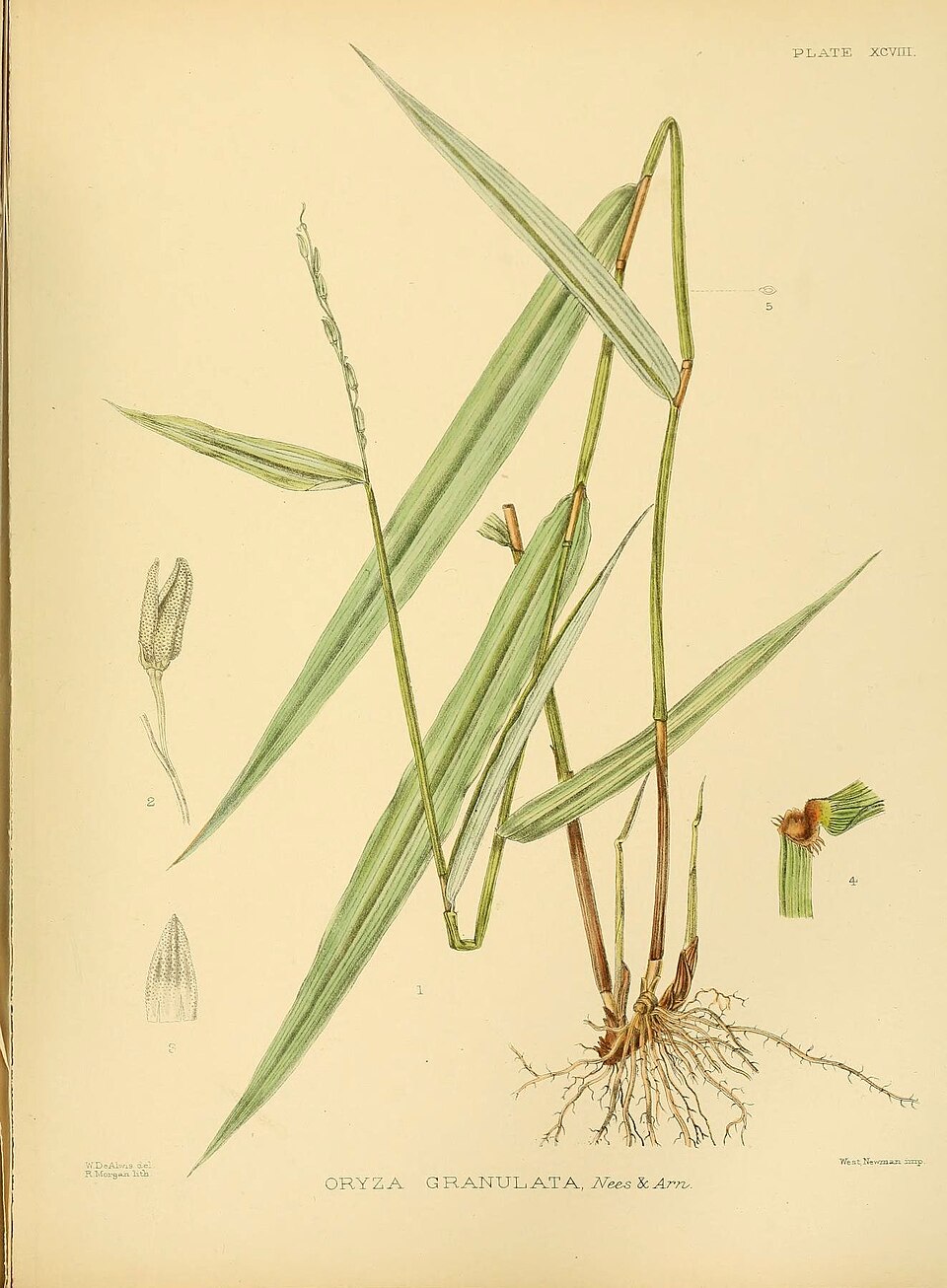
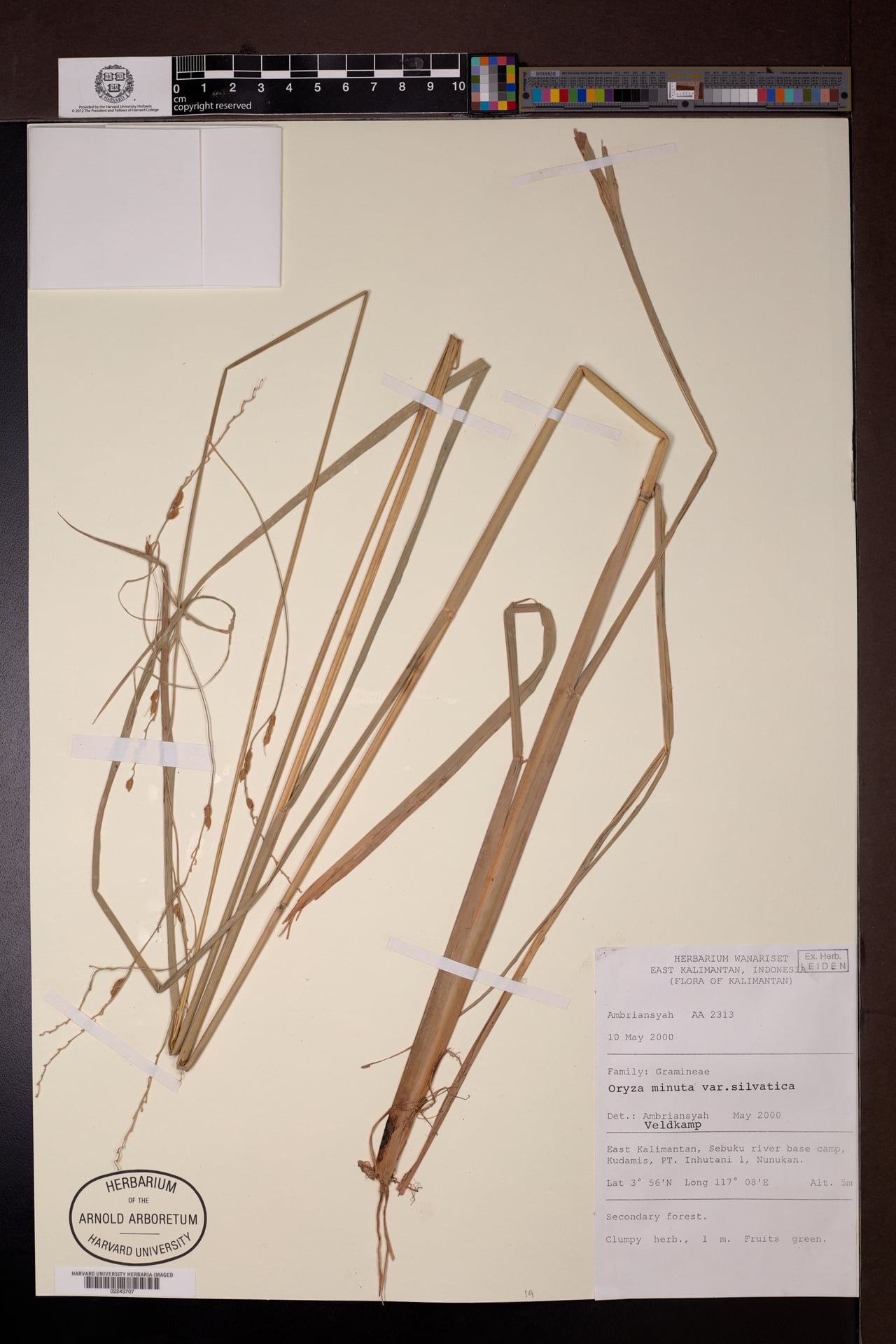
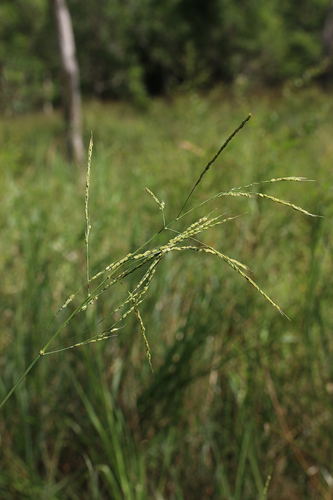
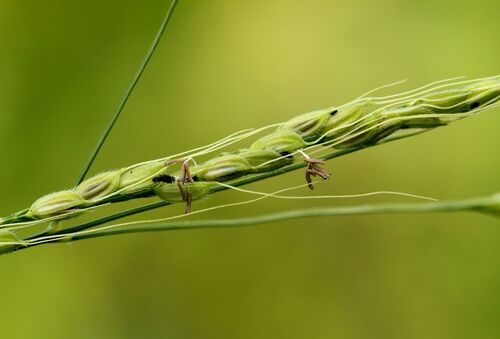
A grass. It forms in tufts and keeps growing from year to year. It has a woody rootstock. It grows 3 m high. The lower nodes are swollen. The leaf blades are narrow and 50 cm long by 1-3 cm wide. They taper to the tip. The flower panicles are 10-30 cm long and reddish.
Edible Uses
The leaves yield an essential oil via steam distillation used to flavor ice cream, gelatin desserts, chewing gum, and bakery products. The leaves are also used for tea.
Traditional Uses
The leaves yield an essential oil by steam distillation and it is used to flavour ice cream, gelatin desserts, chewing gum and bakery products. The leaves are used for tea.
Medicinal Uses
The essential oil of this plant, which contains the chemical compound geraniol, is valued for its scent and for traditional medicinal and household uses. Palmarosa oil may be an effective insect repellent when applied to stored grain and beans, an antihelmintic against nematodes, and an antifungal and mosquito repellent. Palmarosa oil, which has a scent similar to that of roses, is added to soaps and cosmetics. It is widely used for rose-smelling perfumes and cosmetics. It has been used for aromatherapy. Palmarosa oil is an antifungal that fights against Aspergillus niger (commonly known as black mold), Chaetomium globosum (also known as soil mold), and Penicillium funiculosum, which is a plant pathogen.
Distribution
A tropical plant. It grows on grassy slopes in Sichuan and Yunnan in China. It can grow in poor soil.
Where It Grows
Africa, Asia, Brazil, China, East Africa, India, Indonesia, Madagascar, Myanmar, Nepal, Pakistan, SE Asia, South Africa, Southern Africa, Zimbabwe,
Cultivation
It can be grown from seed sown directly. The seeds are small so are mixed with ash or sand. They can be grown from seed or from slips put in a nursery and transplanted. A spacing of 15-20 cm is suitable. Leaves are cut when 15-20 cm tall.
Other Information
It is cultivated.
Notes
The variety "Sofia" is a tetraploid plant while "Motia" is a diploid plant.
Synonyms
Also Known As
Ginger grass, Myet-kyet-thun, Palmarosa, Pamarosa, Rauns, Rohisa, Rosagram, Rusa grass, Sabalin, Thisankah
References (9)
- E. T. Atkinson, Gazetteer, North-Western Provinces of India 10:392. 1882
- Brown, D., 2002, The Royal Horticultural Society encyclopedia of Herbs and their uses. DK Books. p 187
- Flora of Pakistan. www.eFloras.org
- Facciola, S., 1998, Cornucopia 2: a Source Book of Edible Plants. Kampong Publications, p 174
- Kuvar, S. D. & Shinde, R. D., 2019, Wild Edible Plants used by Kokni Tribe of Nasik District, Maharashtra. Journal of Global Biosciences. Volume 8, Number 2, 2019, pp. 5936-5945
Show all 9 references Hide references
- Rajendra, K.C., 2014. Prominent Non-Wood Forest Products of Te- rai and Siwalik Regions in Nepal. Food and Agriculture Organization, Kathmandu, Nepal. p 85
- Seidemann J., 2005, World Spice Plants. Economic Usage, Botany, Taxonomy. Springer. p 130
- Tanaka,
- Zeven, A. C. & de West, J. M. J., 1982, Dictionary of cultivated plants and their regions of diversity. Wageningen. p 73