Stewartia pseudocamellia
Maxim.
Japanese Stewartia
iNaturalist· cc-by-nc
(c) 空猫 T. N, some rights reserved (CC BY-NC), uploaded by 空猫 T. N
iNaturalist· cc-by
(c) Marco Mussita, some rights reserved (CC BY)
Summary
Source: WikipediaStewartia pseudocamellia, also known as Korean stewartia, Japanese stewartia, or deciduous camellia, is a species of flowering plant in the family Theaceae, native to Japan (southern Honshū, Kyūshū, Shikoku) and Korea.
Description
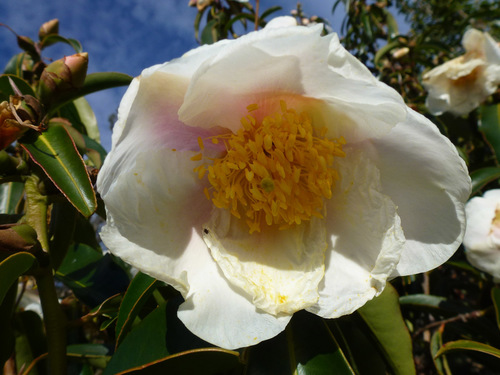
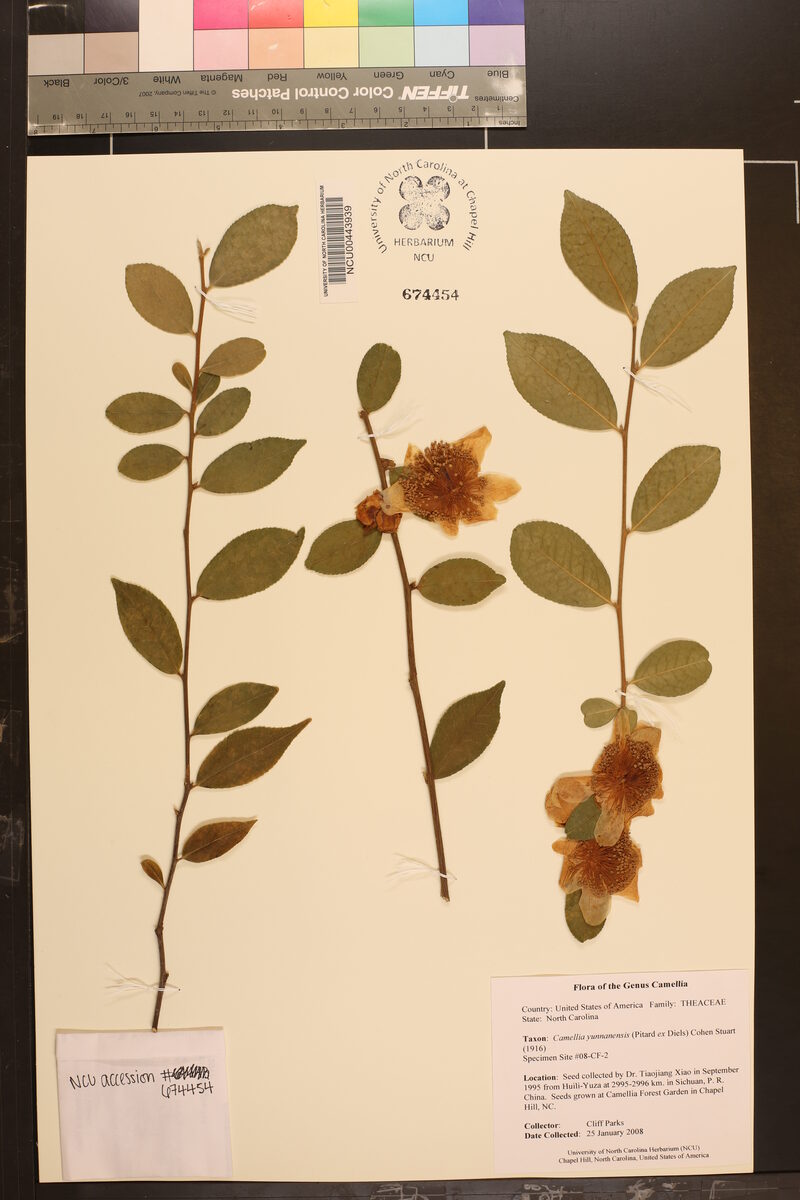
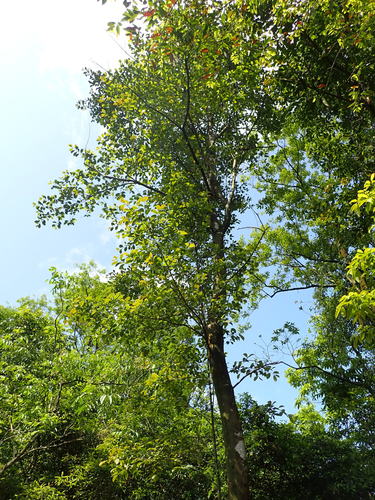
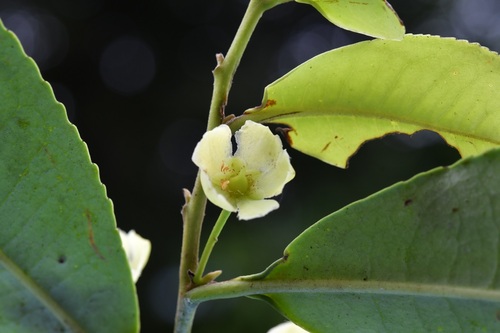
A deciduous tree. It grows 15-22 m tall and spreads 6-7.5 m wide. The bark is pink to red-brown and flaking. The leaves are oval and 10 cm long by 6 cm wide. The leaves eventually turn yellow-orange to red-purple. The flowers are white and cup-shaped. They are 6 cm across. The flowers have 2 leafy bracts outside the sepals. The flowers are borne as one or two together in the axils of leaves. The fruit is a woody, red-brown capsule. It is 2 cm long.
Edible Uses
Young leaves can be eaten cooked.
Medicinal Uses
None known
Distribution
It is a temperate plant. It is native to Japan. It grows in woods in the mountains. It is frost hardy. It suits hardiness zones 5-9. Arboretum Tasmania.
Where It Grows
Asia, Australia, Japan*, Korea, Tasmania,
Cultivation
Requires a deep humus-rich moist but not boggy soil. Dislikes limey soils, preferring peaty conditions. Prefers a position with some shade, at least from the midday sun. Another report says that it prefers a sunny sheltered position. Hardy to about -20°c. Resents root disturbance, plants should be put in their permanent positions as soon as possible. Plants in this genus are notably resistant to honey fungus.
Propagation
Sow seed as soon as ripe in a cold frame or outdoor seedbed if sufficient seed is available. Stored seed is best soaked for 3 days in warm water, then given 3–5 months of warm stratification followed by 3 months of cold stratification at 5°C; germination can take 18 months. Prick seedlings into individual pots once large enough and grow on in a cold frame through the first winter, then plant out in early summer. Short side branch cuttings of 8cm with a heel can be taken in July or August in a frame — one account recommends keeping cuttings growing through winter once rooted, while another suggests allowing them to become dormant. Layering is also possible.
Other Uses
Suitable for use as an espalier, standard, or specimen tree, as a street tree, and in pest-tolerant plantings.
Notes
There are 9-15-20 Stewartia species.
Synonyms
References (8)
- Bull. Acad. Imp. Sci. Saint-Petersbourg 11:429. 1867 "Stuartia" (Diagn. pl. nov. jap.)
- Coombes, A.J., 2000, Trees. Dorling Kindersley Handbooks. p 301
- Cundall, P., (ed.), 2004, Gardening Australia: flora: the gardener's bible. ABC Books. p 1373
- Joyce, D., 1998, The Garden Plant Selector. Ryland, Peters and Small. p 119
- Lord, E.E., & Willis, J.H., 1999, Shrubs and Trees for Australian gardens. Lothian. p 73
Show all 8 references Hide references
- Plants for a Future database, The Field, Penpol, Lostwithiel, Cornwall, PL22 0NG, UK. http://www.scs.leeds.ac.uk/pfaf/
- Ryan, S., 2008, Dicksonia. Rare Plants Manual. Hyland House. p 56
- Woo, Y., et al, 2017, Antioxidant Potential of Selected Korean Edible Plant Extracts. Hindawi BioMed Research International Volume 2017, Article ID 7695606