Cola greenwayi
Brenan
iNaturalist· cc-by-nc
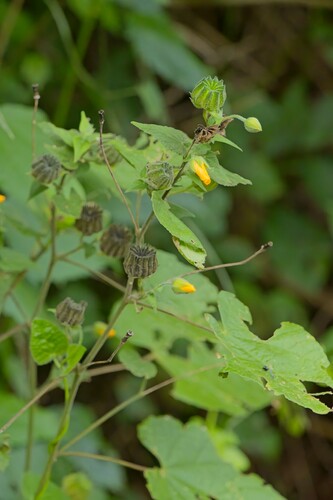
(c) Troos van der Merwe, some rights reserved (CC BY-NC), uploaded by Troos van der Merwe
iNaturalist· cc-by
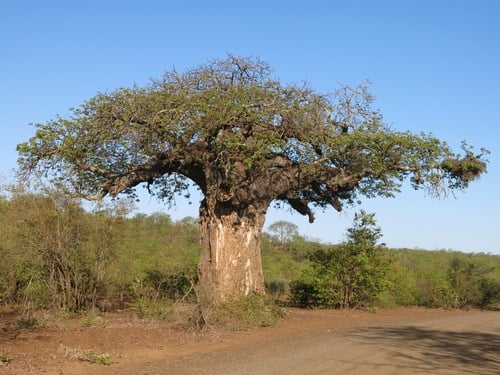
(c) Dave Richardson, some rights reserved (CC BY), uploaded by Dave Richardson
iNaturalist· cc-by
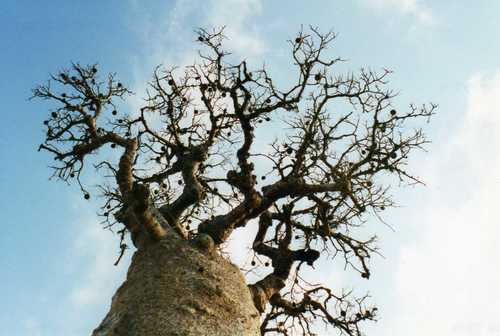
(c) Dave Richardson, some rights reserved (CC BY), uploaded by Dave Richardson
Summary
Source: WikipediaCola greenwayi, commonly known as hairy cola or Zulu coshwood, is a species of flowering plant in the family Malvaceae. It was first described in 1956 by the British botanist John Patrick Micklethwait Brenan. It is native to southeastern Africa.
Description
A small tropical tree in the Malvaceae family (also formerly classified in Sterculiaceae).
This description is brief — help expand it
Medicinal Uses
The tree is used in traditional medicine, but the uses, and the parts used, are unspecified. Ethanol and dichloromethane extracts of the twigs have shown anti-inflammatory activity. An ethyl acetate extract has shown moderate antibacterial activity.
Distribution
A tropical plant.
Where It Grows
Moist evergreen forests and dense woodland at elevations from 1,250 - 2,200 metres.
Cultivation
A dioecious species, both male and female forms need to be grown if fruit and seed are required.
Other Uses
The wood is heavy, hard and tough. It is used for construction, tool handles, bows, pegs etc. The wood is used for fuel and to make charcoal.
Notes
Also put in the family Sterculiaceae.
Synonyms
References (1)
- (As Cola microcarpa)