Cola digitata
Mast.
Kola Nut
iNaturalist· cc0
no rights reserved, uploaded by Ricardo Lima
iNaturalist· cc-by-nc
(c) Carel Jongkind, some rights reserved (CC BY-NC)
iNaturalist· cc-by-nc
(c) Carel Jongkind, some rights reserved (CC BY-NC)
Description
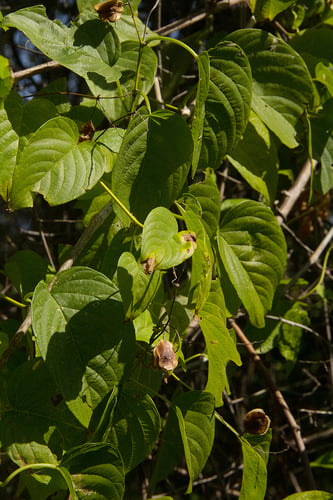
A small tree. It grows 9 m high. The leaves are large. They are bunched at the ends of branches.
This description is brief — help expand it
Edible Uses
The fruit is used as a spice and flavouring in sauces and other dishes. The nuts and aril are also eaten.
Traditional Uses
CAUTION: There are risks involved with this plant. The fruit is used as a spice and flavouring in sauces and other dishes.
This uses section is brief — help expand it
Known Hazards
Caution: There are risks involved with this plant.
Distribution
It is a tropical plant. It grows in the lowland rain-forest as an under-storey plant.
Where It Grows
Africa, Benin, Cameroon, Central Africa, Congo, Côte d'Ivoire, Ghana, Ivory Coast, Liberia, Nigeria, Sao Tome and Principe, Togo, West Africa,
Notes
Also put in the family Sterculiaceae.
Also Known As
Day-ne-waye
References (5)
- Burkill, H. M., 1985, The useful plants of west tropical Africa, Vol. 5. Kew.
- Danforth, R.M., & Boren, P.D., 1997, Congo Native fruits. Twenty-five of the best. Privately published. p 49
- Keay, R.W.J., 1989, Trees of Nigeria. Clarendon Press, Oxford. p 133
- Menninger, E.A., 1977, Edible Nuts of the World. Horticultural Books. Florida p 40
- World Checklist of Useful Plant Species 2020. Royal Botanic Gardens, Kew