Sterculia oblongata
R. Br.
Malaboho, Malabuho
iNaturalist· cc-by-nc-sa
(c) 106611639464075912591, some rights reserved (CC BY-NC-SA), uploaded by 106611639464075912591
iNaturalist· cc-by-nc
(c) ojan_thayyeb, some rights reserved (CC BY-NC), uploaded by ojan_thayyeb
iNaturalist· cc-by-nc
(c) Pizzas fear me, some rights reserved (CC BY-NC), uploaded by Pizzas fear me
Description
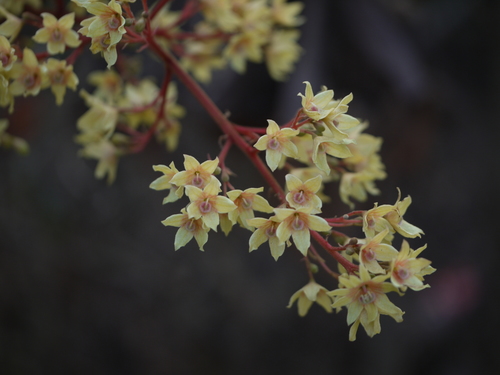
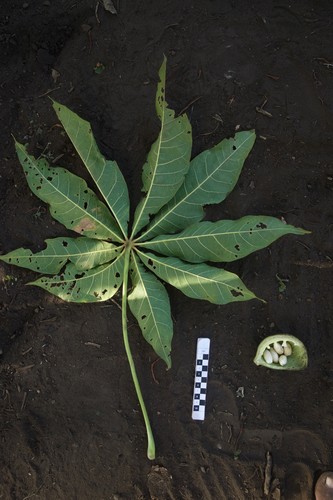
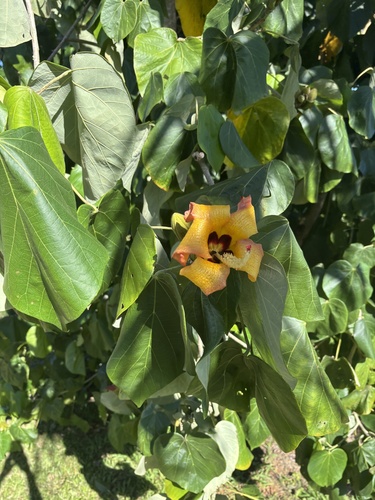
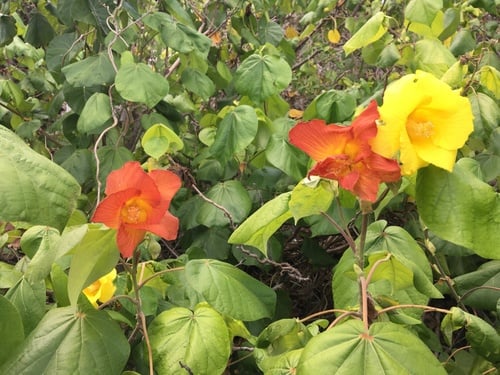
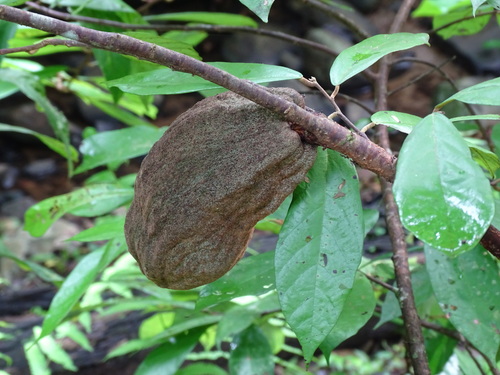
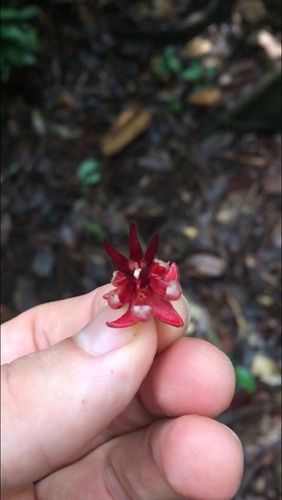
A medium sized tree. It grows 12 m tall. The trunk is 70 cm across. The leaves are smooth, oblong and with a pointed tip. They are rounded or heart shaped at the base. The flowers are hairy and borne in large numbers in narrow loose irregular flower arrangements in the axils of the upper leaves. The fruit are red, inflated and hairy and with a thick leathery covering. They contain 4 to 6 seeds.
Edible Uses
Seed - raw or roasted. The seeds are about 15mm long. The root is said to be edible. This is likely to be the root of young plants.
Traditional Uses
The kernels of the seeds are eaten raw or cooked.
This uses section is brief — help expand it
Distribution
A tropical plant. They are common and widely distributed throughout the Philippines growing in secondary and open forests at low and medium altitudes.
Where It Grows
Asia, Indonesia, Pacific, Philippines, SE Asia,
Cultivation
Plants can be grown from seeds.
Propagation
A physical dormancy caused by the hard seed coat of the mature seeds of many species in this genus can be overcome by scarifying the seed. This is carried out by cutting away or abrading some of the seed coat to allow the ingress of water, though great care must be taken not to damage the embryo. The aril surrounding the seed should also be removed - this is easiest when it has been softened through soaking in water. The seeds germinate optimally at temperatures between 20 - 30°c. They can be sown in a nursery seedbed or in containers. A germination rate of about 95%, occurring within about 2 weeks can be expected if the seed has been properly treated.
Other Uses
Fibres obtained from the bark are used to make rope. The fibres are used for the manufacture of elegant hats, handbags, place-mats and wallets. Most of the strips of bast are salmon-buff in colour, some are tawny and others a light salmon orange. Rope made from this fibre is of medium strength. It has a tensile strength of 398 kilos per square centimetre. Wetting decreased the strength 27%. However, local people prefer to use the rope during the rainy season. The wood is suitable for light cabinet work and for matches. The wood is used for house construction, particularly for sides, ceilings and partitions, and is also suitable for pulp and paper manufacture. We have no further specific description for the wood of this species, but the following is a general description of the wood of Sterculia species in the Phillipines:- The fresh wood is creamy white or very light gray or brown, but almost invariably staining to a silvery gray or a light brown; the sapwood is scarcely if at all distinguishable from the heartwood. The texture is coarse, spongy; the grain straight. The wood is soft to very soft; light to very light in weight; The durability is very poor; the wood being frequently attacked by beetles, though the heartwood, if seasoned rapidly and thoroughly, is somewhat better than the sapwood. Except for staining, the wood seasons well; it is very easy to work. Of low quality, it is used for cheap and temporary construction, box lumber, etc.; temporary mining timbers. It has been recommended for trial as match wood.
Notes
Also put in the family Sterculiaceae.
Synonyms
Also Known As
Bakau, Banilad
References (8)
- Brown, W.H., 1920, Wild Food Plants of the Philippines. Bureau of Forestry Bulletin No. 21 Manila. p 110
- Burkill, I.H., 1966, A Dictionary of the Economic Products of the Malay Peninsula. Ministry of Agriculture and Cooperatives, Kuala Lumpur, Malaysia. Vol 2 (I-Z) p 2114
- Menninger, E.A., 1977, Edible Nuts of the World. Horticultural Books. Florida p 42
- Monsalud, M.R., Tongacan, A.L., Lopez, F.R., & Lagrimas, M.Q., 1966, Edible Wild Plants in Philippine Forests. Philippine Journal of Science. p 549
- PROSEA No. 2
Show all 8 references Hide references
- Walter, A. & Sam C., 2002, Fruits of Oceania. ACIAR Monograph No. 85. Canberra. p 248
- Wickens, G.E., 1995, Edible Nuts. FAO Non-wood forest products. FAO, Rome. p156
- World Checklist of Useful Plant Species 2020. Royal Botanic Gardens, Kew