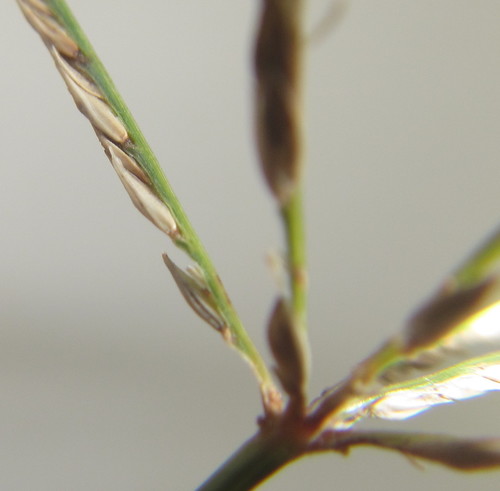
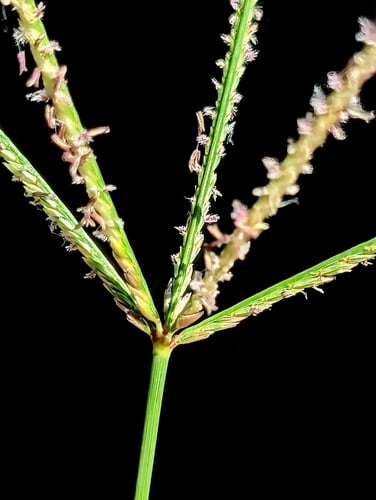
Sporobolus asperifolius
Nees. & C. A. Mey.
Alkali Muhly
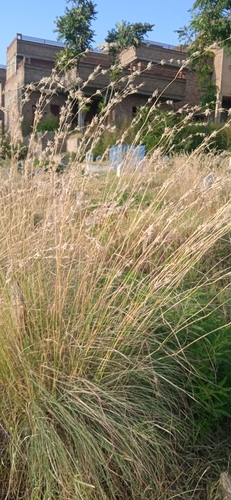
iNaturalist· cc-by
(c) Steve Matson, some rights reserved (CC BY)
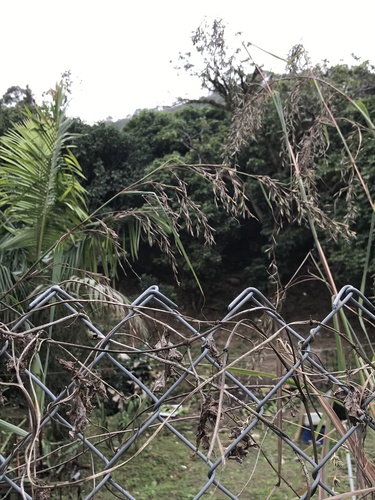
iNaturalist· cc-by
(c) Steve Matson, some rights reserved (CC BY)
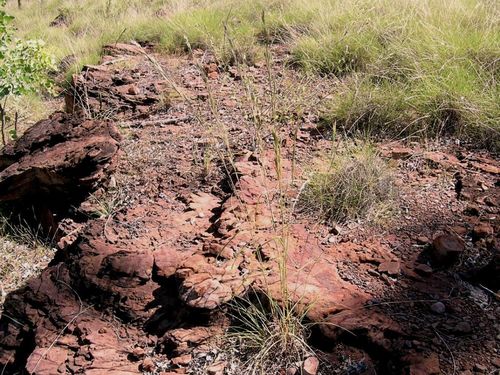
iNaturalist· cc-by
(c) Steve Matson, some rights reserved (CC BY)
Summary
Perennial grass reaching 0.3m tall. Hermaphroditic, wind-pollinated. Tolerates sandy and loamy soils with good drainage. Grows in mildly acid to mildly alkaline pH. Requires full sun and prefers dry soil.
Description
Perennial grass reaching 0.3m tall. Hermaphroditic, wind-pollinated. Tolerates sandy and loamy soils with good drainage. Grows in mildly acid to mildly alkaline pH. Requires full sun and prefers dry soil.
Edible Uses
The seed can be eaten raw or cooked. It is parched and ground into a flour, then eaten dry or made into a mush.
Medicinal Uses
None known
Distribution
It is a subtropical plant.
Where It Grows
Central America, Mexico, North America, USA,
Cultivation
We have very little information on this species and do not know if it will be hardy in Britain. The following notes are based on the general needs of the genus. Succeeds in any well drained soil in a sunny position.
Propagation
Sow seed in spring in a greenhouse, barely covering it. Germination should occur within 2 weeks. Prick seedlings into individual pots when large enough to handle and plant out in summer if sufficiently grown, otherwise overwinter in the greenhouse and plant out in late spring the following year. Divide in spring; larger divisions can go directly into permanent positions. Smaller divisions are best potted up and grown on in a lightly shaded cold frame, planted out once well established in summer.
Other Uses
None known Special Uses
Notes
There are about 160 Sporobolus species. They are mainly in the tropics and subtropics.
Synonyms
References (2)
- Beckstrom-Sternberg, Stephen M., and James A. Duke. "The Foodplant Database." http://probe.nalusda.gov:8300/cgi-bin/browse/foodplantdb.(ACEDB version 4.0 - data version July 1994)
- Plants for a Future database, The Field, Penpol, Lostwithiel, Cornwall, PL22 0NG, UK. http://www.scs.leeds.ac.uk/pfaf/