Phyllostachys nigra f. boryana
(Mitford) Makino
Unmon-chiku, Bory bamboo, Snake-skin bamboo
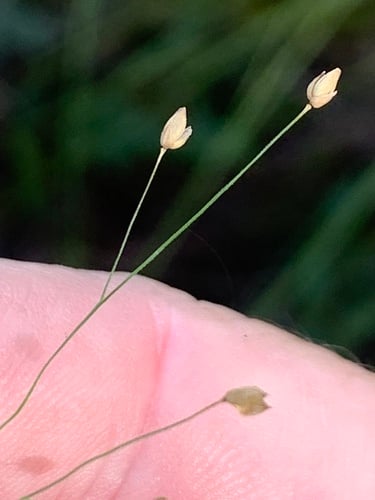
iNaturalist· cc-by-nc
(c) onidiras-iNaturalist, some rights reserved (CC BY-NC), uploaded by onidiras-iNaturalist
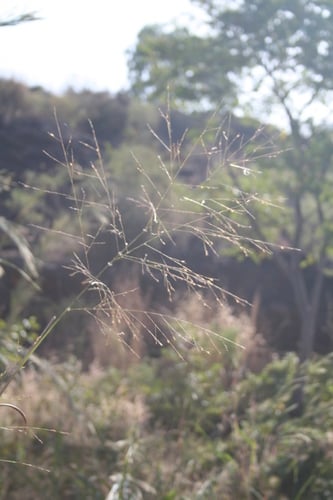
iNaturalist· cc-by
(c) the swamp ass, some rights reserved (CC BY), uploaded by the swamp ass
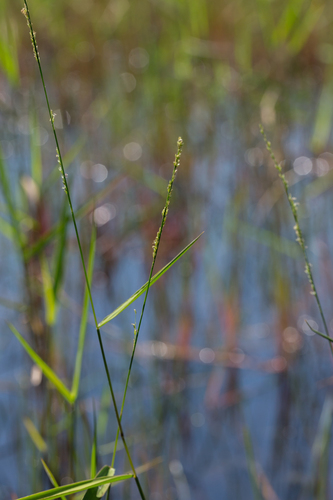
iNaturalist· cc-by
(c) Lynn, some rights reserved (CC BY), uploaded by Lynn
Summary
Source: WikipediaPhyllostachys nigra, commonly known as black bamboo or purple bamboo (Chinese: 紫竹), is a species of bamboo, native to Hunan Province of China, and is widely cultivated elsewhere. Growing up to 35 feet tall by 2 inches wide, it forms clumps of slender arching canes which turn black after two or three seasons. The abundant lance-shaped leaves are 4–13 cm (2–5 in) long. Numerous forms and cultivars are available for garden use. The species and the form P. nigra f. henonis have both gained the Royal Horticultural Society's Award of Garden Merit. The form henonis is also known as Henon bamboo and as cultivar 'Henon'.
Description
A bamboo. The stems (culms) are mottled with green and black. It grows 15 m tall.
This description is brief — help expand it
Edible Uses
It is used for lumber (timber), food, and musical instruments, among other things, in areas of China where it is native and also worldwide.
Medicinal Uses
A 2008 study from Zhejiang University, in China, isolated several flavone C-glycosides on black bamboo leaves, including orientin, homoorientin, vitexin and isovitexin.
Distribution
It can tolerate cold to -18°C.
Where It Grows
Asia, Australia, China, Japan,
Synonyms
Also Known As
Tanba hanchiku
References (6)
- Bot. Mag. (Tokyo) 28:26. 1912
- Facciola, S., 1998, Cornucopia 2: a Source Book of Edible Plants. Kampong Publications, p 47
- http://www.plantnames.unimelb.edu.au/sorting/Bamboos_Edible.html
- Ryan, S., 2008, Dicksonia. Rare Plants Manual. Hyland House. p 85
- Tanaka,
Show all 6 references Hide references
- Young, 1954,