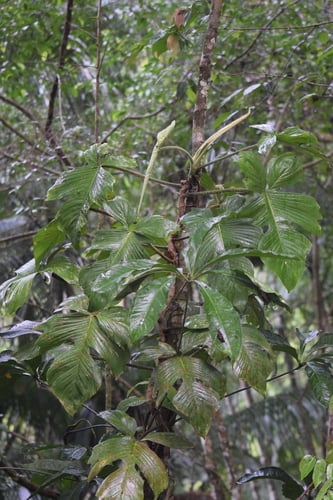
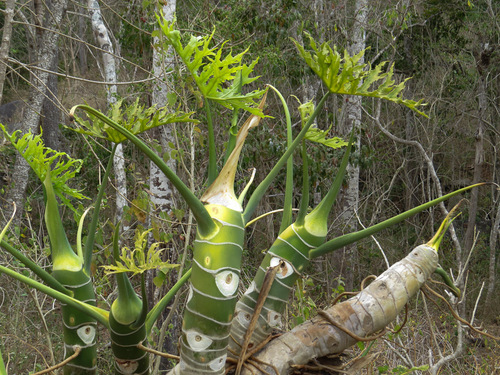
Arisaema amurense
Maxim.
Cobra lilies
iNaturalist· cc-by-nc
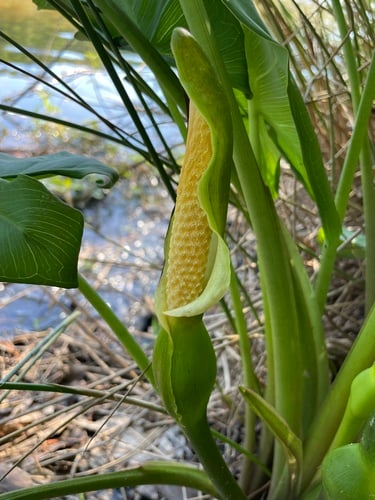
(c) V.S. Volkotrub, some rights reserved (CC BY-NC), uploaded by V.S. Volkotrub
iNaturalist· cc-by-nc
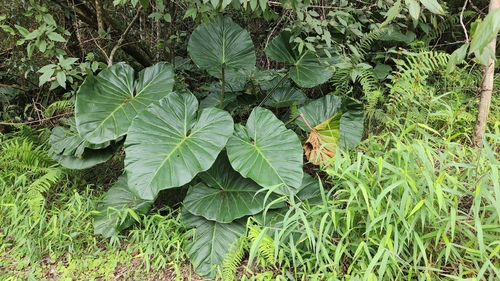
(c) 李博恒, some rights reserved (CC BY-NC), uploaded by 李博恒
iNaturalist· cc-by-nc
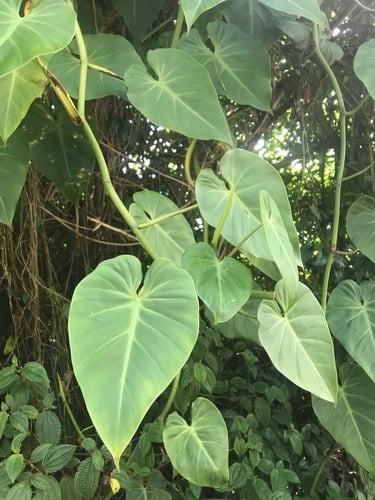
(c) V.S. Volkotrub, some rights reserved (CC BY-NC), uploaded by V.S. Volkotrub
Summary
Source: WikipediaArisaema amurense, the tian nan xing, is a species of flowering plant in the family Araceae. It is native to the southern Russian Far East, the Korean Peninsula, and eastern China. A highly variable perennial reaching 30 cm (12 in), it is found in a variety of forested habitats, typically by streams, at elevations from 50 to 200 m (160 to 660 ft) above sea level. Its tubers are collected in the wild and used in traditional Chinese medicine.
Description
A herb that keeps growing from year to year. It is 45 cm high. The had tubers that are round and flattened and 6-7 cm across. It has one or two leaves. These are divided into about 5 leaflets which radiate out. The leaflets are broadly oval or sword shaped and 10-13 cm long. The bract around the flower is hooded and white. There are dark red or green stripes. It is 11 cm long. The flower spike is like a cylinder and 3.5 cm long.
Edible Uses
Edible Parts: Leaves Root Edible Uses: Well-soaked roots can be boiled, peeled and eaten. The tuber is 6 - 7cm in diameter. Some caution is advised, see the notes above on toxicity. Young leaves - cooked. Some caution is advised, see the notes above on toxicity.
Traditional Uses
The roots are used in brewing.
This uses section is brief — help expand it
Medicinal Uses
Anodyne Antispasmodic Cancer Epilepsy Expectorant Vermifuge Tian Nan Xing has been used in Chinese herbal medicine for thousands of years and is valued especially for its beneficial affect upon the chest. When prescribed internally it is always used dried and in conjunction with fresh ginger root. The root is an acrid irritant herb that is anodyne, antibacterial, antifungal, antiphlogistic, antirheumatic, anticancer, antispasmodic, antitumor, expectorant, sedative and stomachic. The dried root is used internally in the treatment of coughs with profuse phlegm, tumours, cervical cancer, epilepsy, tetanus and complaints involving muscular spasms. The fresh root is applied externally as a poultice to ulcers and other skin complaints. The root is harvested when the plant is dormant in the autumn or winter and is dried for later use.
Known Hazards
The plant contains calcium oxylate crystals. These cause an extremely unpleasant sensation similar to needles being stuck into the mouth and tongue if they are eaten but they are easily neutralized by thoroughly drying or cooking the plant or by steeping it in water.
Distribution
It is a temperate plant. It grows in deciduous forest, mixed forest, under woods, by streams between 50-200 m altitude in northern China. It is frost hardy. It suits hardiness zones 5-9.
Where It Grows
Asia, Australia, China, Japan, Korea, Russia, Siberia,
Cultivation
Prefers a cool peaty soil in the bog, woodland garden or a sheltered border in semi-shade. Prefers a loamy or peaty soil and will tolerate a sunny position if the soil is moist but not water-logged and the position is not too exposed. This species is well suited to the front of a peat border. Tubers should be planted about 15cm deep. Only plant out full sized tubers and mulch them with organic matter in the winter. Plants require protection from slugs. Most species in this genus are dioecious, but they are sometimes monoecious and can also change sex from year to year.
Propagation
Seed - best sown as soon as it is ripe in a shady position in a cold frame. Stored seed remains viable for at least a year and can be sown in spring in the greenhouse but it will probably require a period of cold stratification. Germination usually takes place in 1 - 6 months at 15°c. When large enough to handle, prick the seedlings out into individual pots and grow them on in light shade in the greenhouse for at least a coupe of years until the corms are more than 20mm in diameter. Plant out into their permanent positions whilst they are dormant. Division of tubers when the plant dies down in late summer.
Other Uses
None known Special Uses
Notes
There are about 150-170 Arisaema species.
Synonyms
Also Known As
Cheonnamseong, Tian Nan Xing
References (9)
- Bodkin, F., 1991, Encyclopedia Botanica. Cornstalk publishing, p 97
- Brown, D., 2000, Aroids. Plants of the Arum family. Timber Press. (Second edition) p 314
- Cundall, P., (ed.), 2004, Gardening Australia: flora: the gardener's bible. ABC Books. p 184
- Hibbert, M., 2002, The Aussie Plant Finder 2002, Florilegium. p 32
- Li Heng, Araceae, Flora of China.
Show all 9 references Hide references
- Mem. Acad. Imp. Sci. St.-Petersbourg Divers Savans 9:264. 1859 (Prim. fl. amur.)
- Plants for a Future database, The Field, Penpol, Lostwithiel, Cornwall, PL22 0NG, UK. http://www.scs.leeds.ac.uk/pfaf/
- Ryan, S., 2008, Dicksonia. Rare Plants Manual. Hyland House. p 121
- Song, M., et al, 2013, Traditional knowledge of wild edible plants in Jeju Island, Korea. Indian Journal of Traditional Knowledge. 12(2) pp 177-194 (As for. serratum)