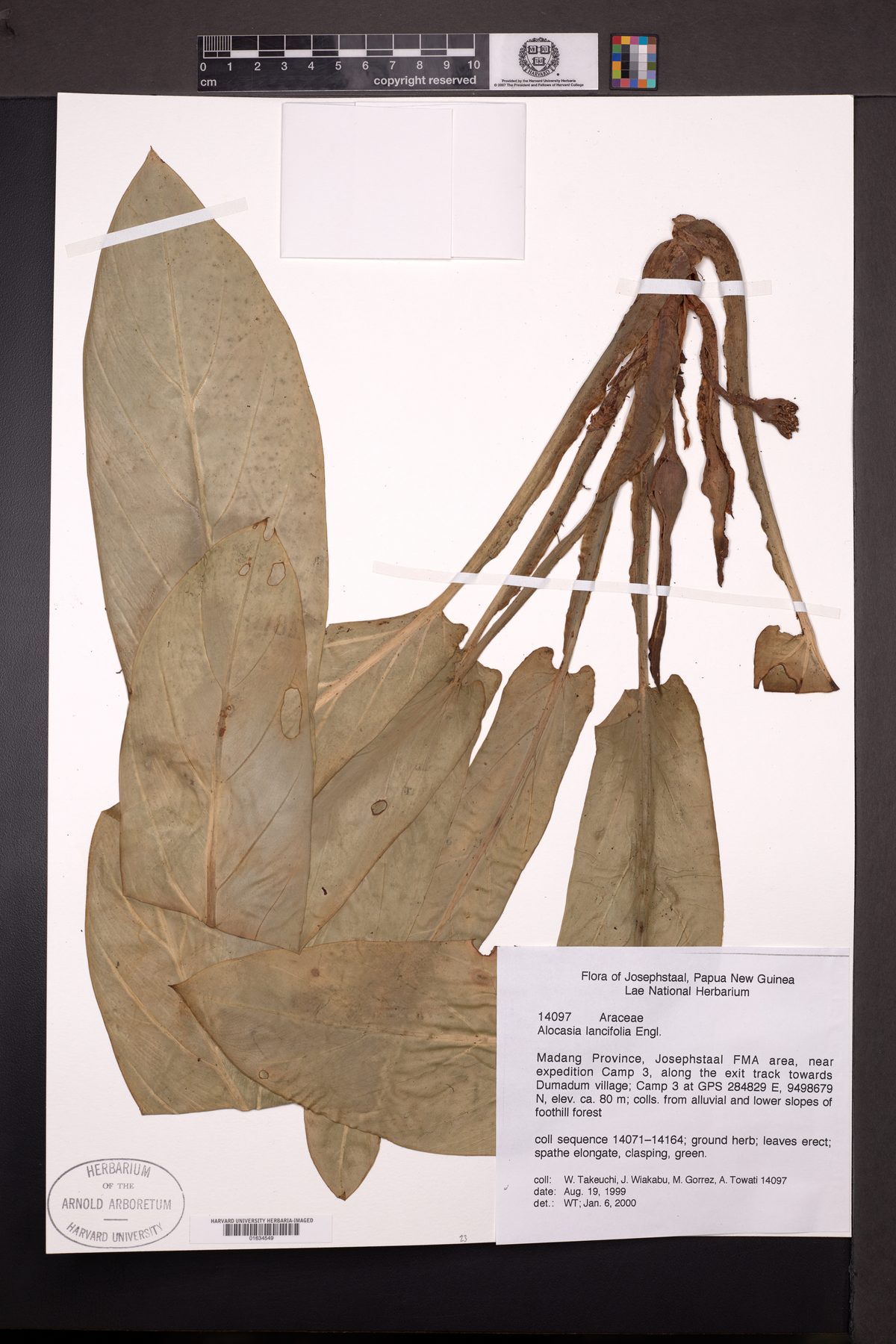
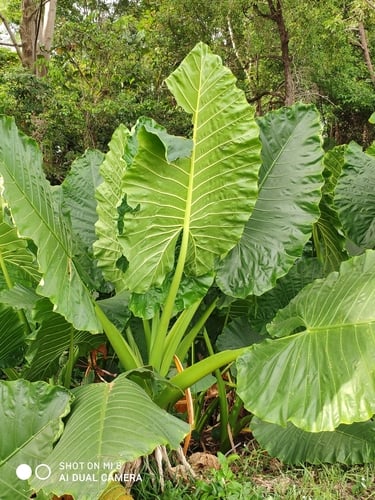
Spathiphyllum phryniifolium
Schott
Guisnay, Huisnay
iNaturalist· cc-by-nc
(c) Luis Humberto Vicente-Rivera, some rights reserved (CC BY-NC), uploaded by Luis Humberto Vicente-Rivera
iNaturalist· cc-by-nc
(c) Luis Humberto Vicente-Rivera, some rights reserved (CC BY-NC)
Description
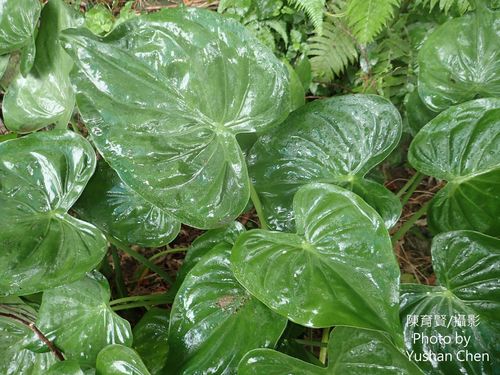
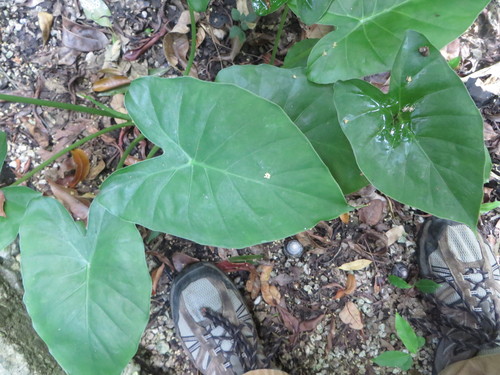
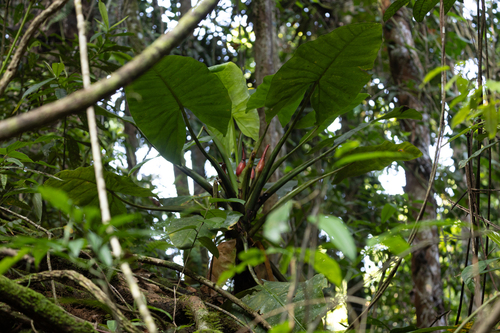
A taro family plant. It grows 100 cm high and spreads 60-80 cm wide. The leaves are dark green with heavy veins. The leaves are lance shaped and 50 cm long. The flowers are on a thick stalk and change from white to yellow as they open. There is a bract 25 cm long around them. It is pale yellow-green.
Edible Uses
The young spadices are cooked with egg and eaten. Leaves and flowers are also edible portions.
Traditional Uses
The young spadices are cooked with egg and eaten.
This uses section is brief — help expand it
Distribution
A tropical plant. It grows in wet forest. It is mostly at low elevations but can be up to 1,400 m in Central America. It suits hardiness zones 11-12.
Where It Grows
Asia, Australia, Belize, Central America, Colombia, Costa Rica, El Salvador, Guatemala, Honduras, Myanmar, Nicaragua, Panama, SE Asia, South America,
Other Information
It is sold in local markets.
Notes
There are 41 Spathiphyllum species.
Also Known As
Busnay, Cuchijec, Flor de chile, Flor de chilillo, Cuchijec, Gushnay
References (9)
- Chizmar Fernandez, C., et al, 2009, Plantas comestibles de Centroamerica. Instituto de Biodiversidad, Costa Rica. p 60
- Cundall, P., (ed.), 2004, Gardening Australia: flora: the gardener's bible. ABC Books. p 1360
- de Polle, E., Plantas Silvestres Comestible de Guatemala. 1(1) Universidad de San Carlos de Guatemala.
- Hellmuth, N. M., 2011, Maya Ethnobotany. Complete Inventory of plants. Associacion FLAAR Mesoamerica. Tenth edition.
- Kermath, B. M., et al, 2014, Food Plants in the Americas: A survey of the domesticated, cultivated and wild plants used for Human food in North, Central and South America and the Caribbean. On line draft. p 831
Show all 9 references Hide references
- Kew Plants of the World onLine
- Martin, F.W. & Ruberte, R.M., 1979, Edible Leaves of the Tropics. Antillian College Press, Mayaguez, Puerto Rico. p 176
- Piedra-Malagón, E. M. et al, 2022, Edible native plants of the Gulf of Mexico Province. Biodiversity Data Journal 10: e80565 p 10
- Standley, P. C. & Record, S. J., 1936, The Forests and Flora of British Honduras. (Belize). p 89