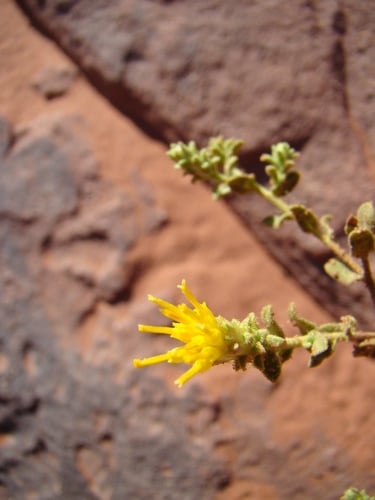
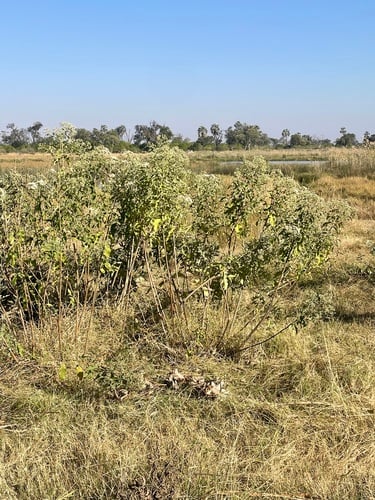
Solidago radiata
No photos yet for Solidago radiata
Sign in to contribute a photoSummary
A hermaphrodite perennial with flowers pollinated by insects. Grows in light sandy, medium loamy, and heavy clay soils. Tolerates mildly acidic, neutral, and basic soil pH. Adapts to semi-shade or full sun and prefers moist soil. Noted for attracting wildlife.
Description
A hermaphrodite perennial with flowers pollinated by insects. Grows in light sandy, medium loamy, and heavy clay soils. Tolerates mildly acidic, neutral, and basic soil pH. Adapts to semi-shade or full sun and prefers moist soil. Noted for attracting wildlife.
Edible Uses
Leaves and flowering stems can be eaten cooked. The seed, though very small and fiddly to harvest, can be used as a thickener in soups and similar dishes. A tea can also be made from the leaves and flowers.
Medicinal Uses
The herb has antiseptic and haemostatic properties and can be used as a salve. An infusion of the dried powdered herb serves as an antiseptic.
Distribution
It is a temperate plant.
Where It Grows
North America, USA,
Propagation
Sow seed in spring in a cold frame, barely covering it, and keep the compost from drying out. Prick seedlings into individual pots once large enough to handle, overwinter in pots, and plant out in spring or early summer. Divide in spring or autumn. Larger divisions can go straight into permanent positions; smaller ones do best potted up and grown on in a lightly shaded cold frame until well established, then planted out in summer.
Other Uses
Mustard, orange, and brown dyes can be obtained from the whole plant. The plant also attracts wildlife.
Notes
There are about 100 Solidago species.
References (1)
- Plants for a Future database, The Field, Penpol, Lostwithiel, Cornwall, PL22 0NG, UK. http://www.scs.leeds.ac.uk/pfaf/