Areca caliso
Becc.
Kaliso, Sakolon
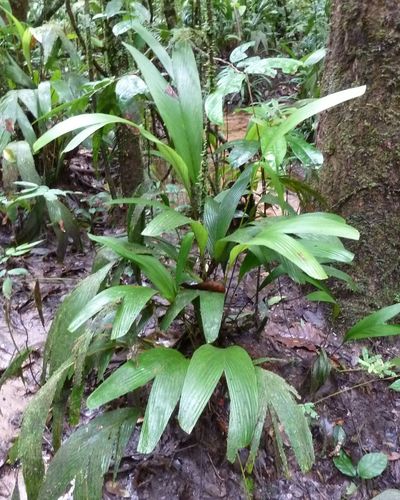
iNaturalist· cc-by-sa
(c) filibot.web, some rights reserved (CC BY-SA)
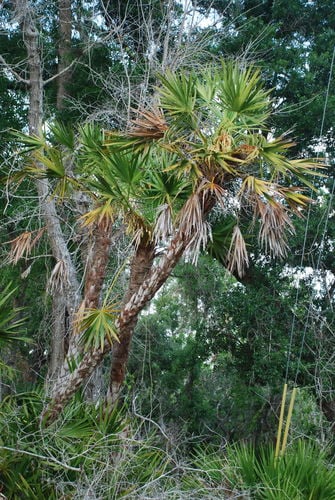
iNaturalist· cc-by-sa
(c) filibot.web, some rights reserved (CC BY-SA)
Description
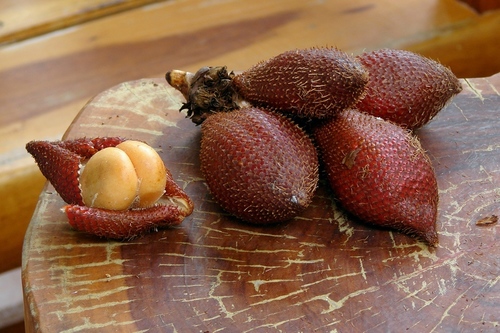
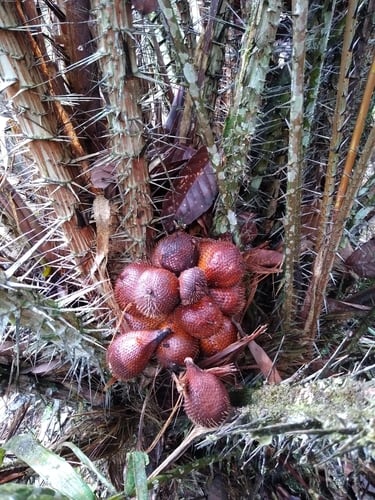
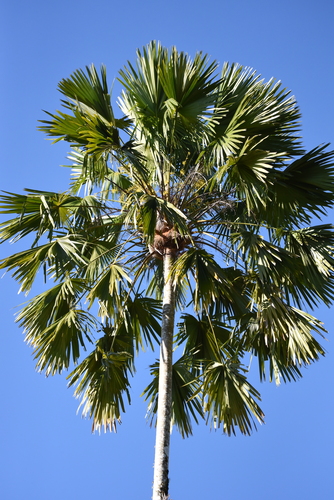
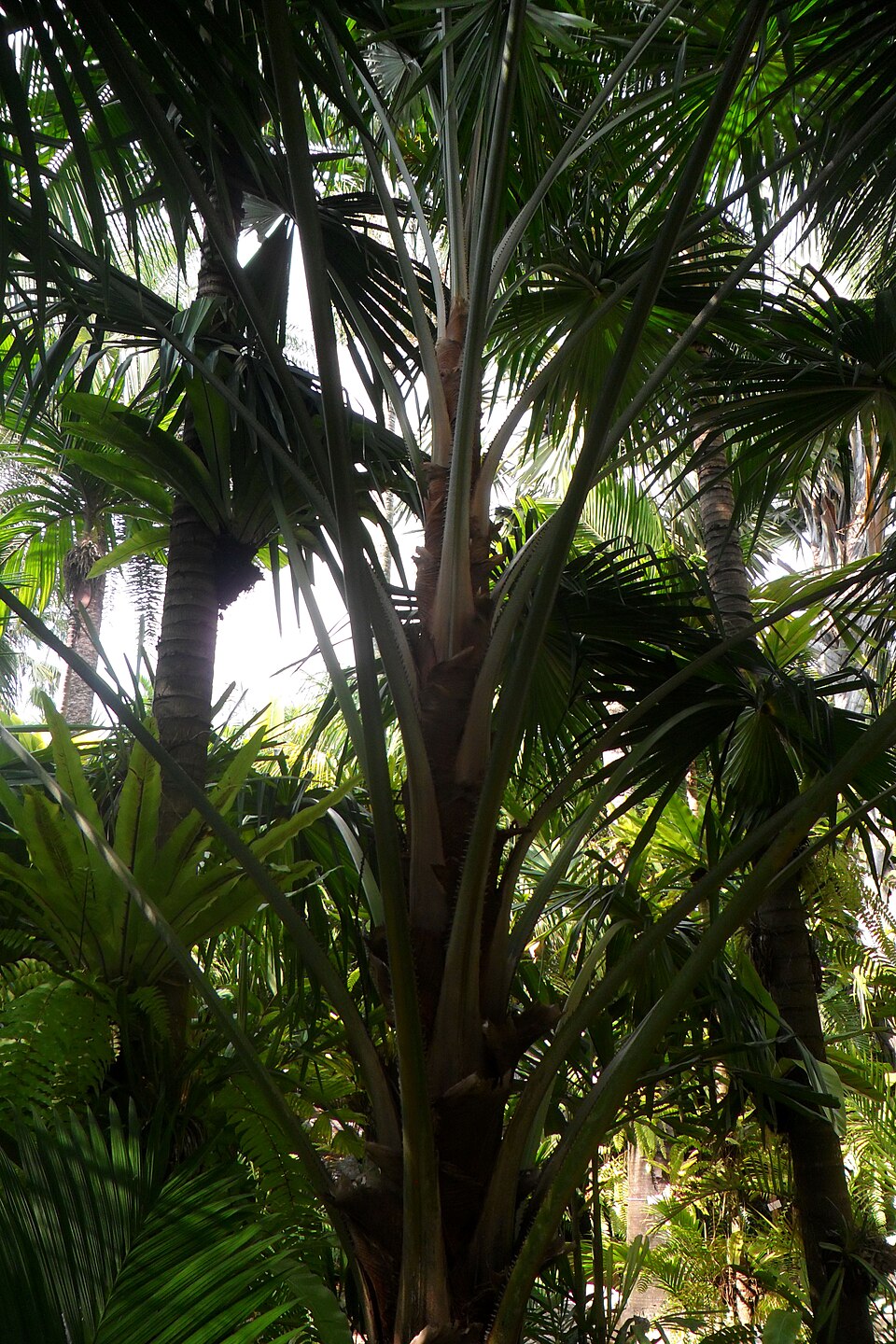
A slender palm about 7 to 15 cm across the trunk. They can be 7 m high. The leaves are about 3 m long.
This description is brief — help expand it
Edible Uses
The cooked bud is eaten, sap is collected as a drink (though of poor quality), and the nut serves as a substitute for betel nut. The growing tip, fruit, nuts, and palm heart are also edible parts.
Traditional Uses
The bud is cooked and eaten. The sap is collected but is a poorer drink. The nut is used as a substitute for betel nut.
This uses section is brief — help expand it
Distribution
It is a tropical plant. They occur on mountain slopes and in dense humid forests of the Philippines. They are common in regions with a long dry season.
Where It Grows
Asia, Pacific, Philippines, SE Asia,
Notes
There are 60 Areca species. They are tropical.
References (7)
- Bircher, A. G. & Bircher, W. H., 2000, Encyclopedia of Fruit Trees and Edible Flowering Plants in Egypt and the Subtropics. AUC Press. p 40
- Burkill, I.H., 1966, A Dictionary of the Economic Products of the Malay Peninsula. Ministry of Agriculture and Cooperatives, Kuala Lumpur, Malaysia. Vol 1 (A-H) p 223
- Haynes, J., & McLaughlin, J., 2000, Edible palms and Their Uses. University of Florida Fact sheet MCDE-00-50-1 p 2
- Leafl. Philipp. Bot. 8:2998. 1919
- Monsalud, M.R., Tongacan, A.L., Lopez, F.R., & Lagrimas, M.Q., 1966, Edible Wild Plants in Philippine Forests. Philippine Journal of Science. p 520
Show all 7 references Hide references
- Vossen, H. A. M. van der & M. Wessel, eds. 2000. Stimulants. In: Faridah Hanum, I. & L. J. G. van der Maesen, eds., Plant Resources of South-East Asia (PROSEA). (Pl Res SEAs) 16:123.
- World Checklist of Useful Plant Species 2020. Royal Botanic Gardens, Kew