Sidalcea malviflora
(DC.) A. Gray ex Benth.
Dwarf Checker-mallow, Greek mallow
iNaturalist· cc-by
(c) Tom Hilton, some rights reserved (CC BY)
iNaturalist· cc-by-nc
(c) yossarianc, some rights reserved (CC BY-NC)
Summary
Source: WikipediaSidalcea malviflora is a species of flowering plant in the mallow family, known by the common names dwarf checkerbloom, Greek mallow, prairie mallow and dwarf checkermallow.
Description
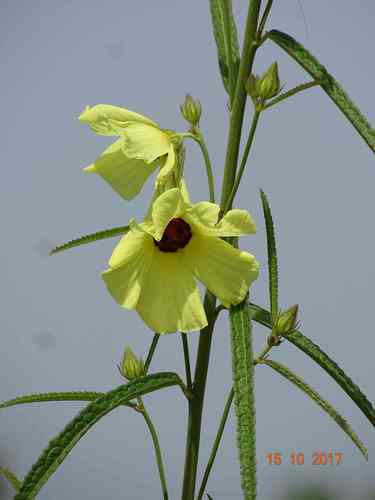
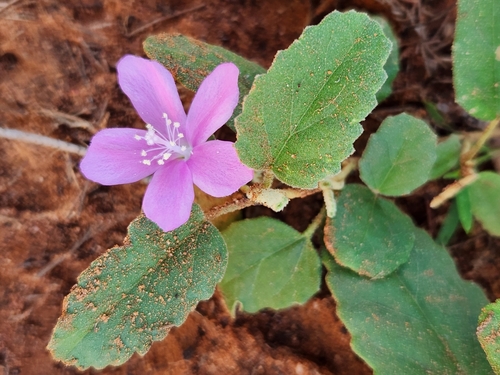
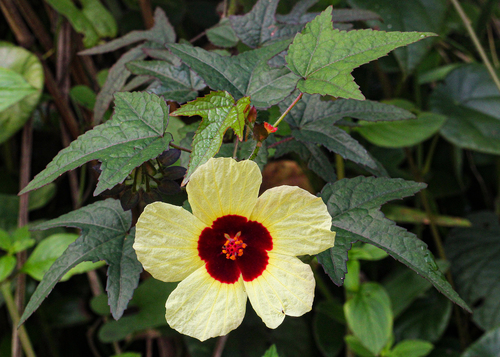
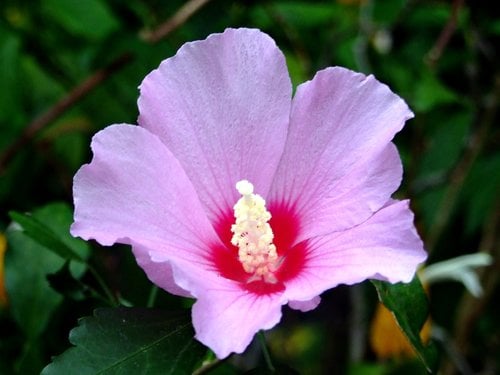
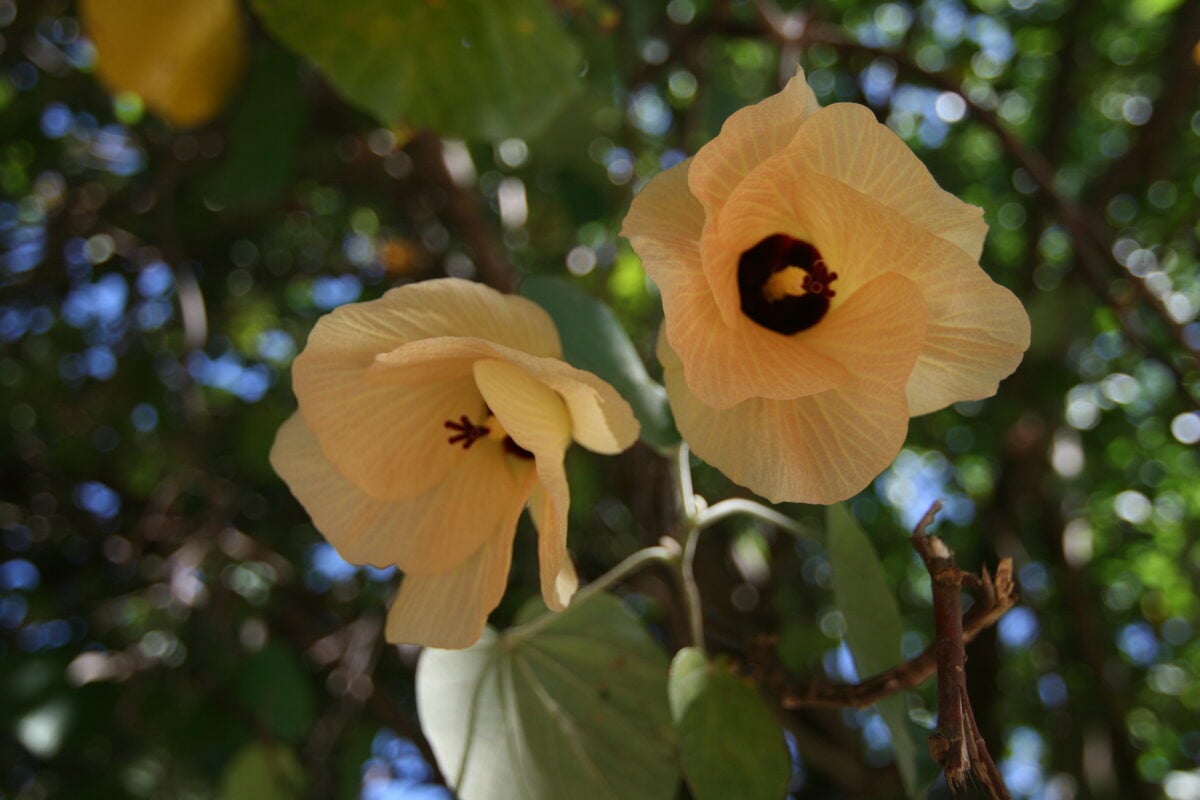
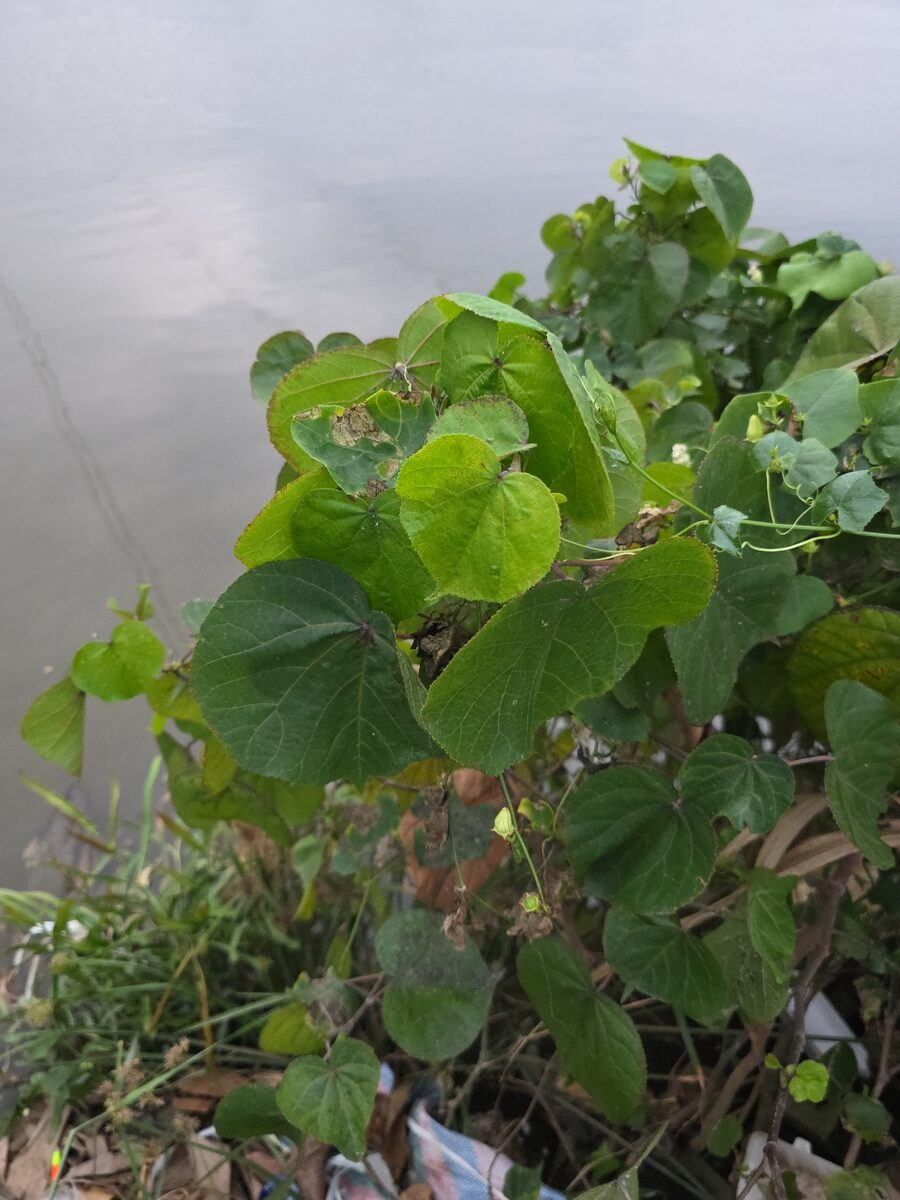
A small plant. It grows 60-100 cm high and spreads 40-75 cm wide. It forms clumps or erect stems. The leaves at the base are rounded with shallow lobes. They are 15 cm across. The leaves on the stems are shiny green and in segments. The flowers are small and pink.
Edible Uses
The leaves can be eaten raw or cooked. Raw, they have a very mild flavour and a slightly mucilaginous texture that makes them a pleasant addition to salads. They can also be cooked as greens. Dried and mashed, the leaves have been used as a flavouring with black manzanita berries (Arctostaphyllos spp).
Traditional Uses
The leaves are used as greens. The dried squashed leaves are used to flavour Manzanita berries.
This uses section is brief — help expand it
Medicinal Uses
None known
Distribution
It is a temperate plant. It suits hardiness zones 5-9.
Where It Grows
Australia, Falklands, Mexico, North America, USA,
Propagation
Sow seed in spring in a greenhouse. When seedlings are large enough to handle, prick them out into individual pots and plant them out in summer. The plant can also be propagated by division in spring.
Other Uses
None known
Notes
There are about 20 or 25 Sidalcea species.
Also Known As
Checkerbloom, Checker Mallow
References (5)
- Cundall, P., (ed.), 2004, Gardening Australia: flora: the gardener's bible. ABC Books. p 1339
- Hibbert, M., 2002, The Aussie Plant Finder 2002, Florilegium. p 291
- Moerman, D. F., 2010, Native American Ethnobotany. Timber Press. p 530
- Plants for a Future database, The Field, Penpol, Lostwithiel, Cornwall, PL22 0NG, UK. http://www.scs.leeds.ac.uk/pfaf/
- Pl. hartw. 300. 1848 "malvaeflora"