Hibiscus tilliaceus
L.
Beach Hibiscus, Sea Hibiscus
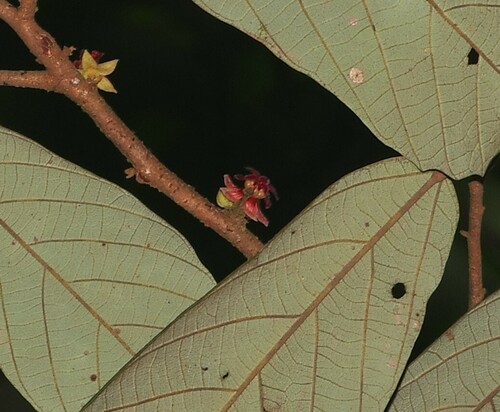
gbif· cc-by-nc
Triệu Chinh Kỳ
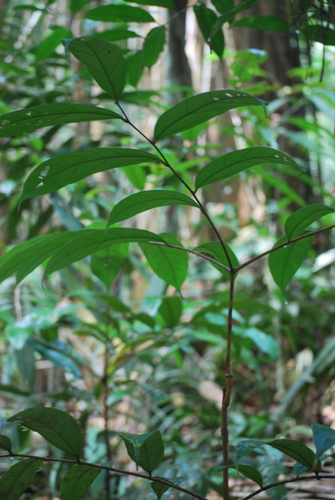
gbif· cc-by-nc
annechen119
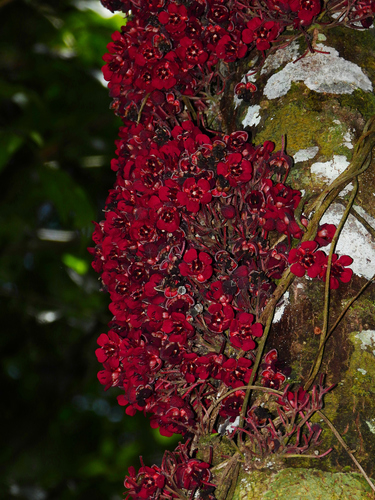
gbif· cc-by-nc
annechen119
Description
Hibiscus tilliaceus is an evergreen Tree growing to 8 m (26ft) by 6 m (19ft) at a fast rate. See above for USDA hardiness. It is hardy to UK zone 8. The flowers are pollinated by Insects. It is noted for attracting wildlife. Suitable for: light (sandy) and medium (loamy) soils. Suitable pH: mildly acid, neutral and basic (mildly alkaline) soils and can grow in saline soils. It cannot grow in the shade. It prefers dry moist or wet soil and can tolerate drought. The plant can tolerate maritime exposure.
Edible Uses
Young leaves and green bark eaten as a famine food. Leaves are eaten, femented into a sauce, used as a substrate for tempeh starter culture or boiled in salt water to form a beverage called Onge tea. The flowers can be eaten as a potherb or dipped in batter and fried.
Medicinal Uses
Flowers have laxative properties.
Distribution
Origin: Pantropical. native to coastal areas of Australia, South East Asia and the South Pacific
Where It Grows
Coming Soon
Cultivation
It tolerates salinity and waterlogging, and can grow in a variety of coastal sands and soils. pH Level: Acid, Neutral, Alkaline. Soil Type: Sandy, Loamy, Sandy loam. Light: Sunny, Light shade. Soil Moisture: Well-drained, Moist soil. Tolerates light frost. Found at elevations from sea level to 800m (2,600ft) in areas that receive 900–2,500mm (35–98in) of annual rainfall. Carbon Farming Solutions - Cultivation: minor global crop. Management: coppice (Describes the non-destructive management systems that are used in cultivation).
Propagation
Seeds. Large cuttings
Other Uses
Design: Seaside; Coastal screening; Shade tree; Coastal street tree; Low maintenance garden, Container growing, Flower garden, Sand stabilization; Xerophytic, Bonsai,. Polynesians have used the wood for outriggers and canoes. Green bark used for dance skirts, strainers for liquids, and for tapa bark cloth. Used for rope and fishing nets. A soft, heavy and porous wood used for fuel and net floats or corks. Living posts with cropping potential for the bark. Hedging. Beach erosion. Coastal rehabilitation. Carbon Farming Solutions - Industrial Crop: biomass, fiber (Crops grown for non-food uses. Industrial crops provide resources in three main categories: materials, chemicals, and energy. Traditional materials include lumber and thatch, paper and cardboard, and textiles). Agroforestry Services: living fence, crop shade, living trellis.
Synonyms
Also Known As
Cotton Tree, Native Rosella