Arctostaphylos stanfordiana
Parry.
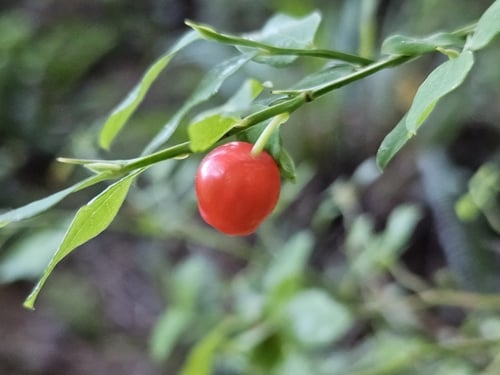
Stanford's Manzanita, Myacoma manzanita
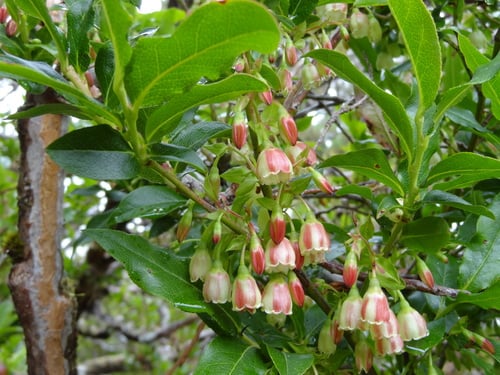
iNaturalist· cc-by-nc
(c) 2010 Zoya Akulova, some rights reserved (CC BY-NC)
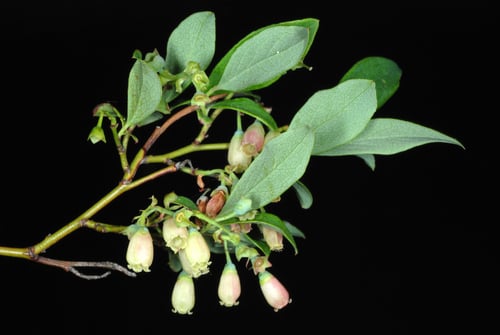
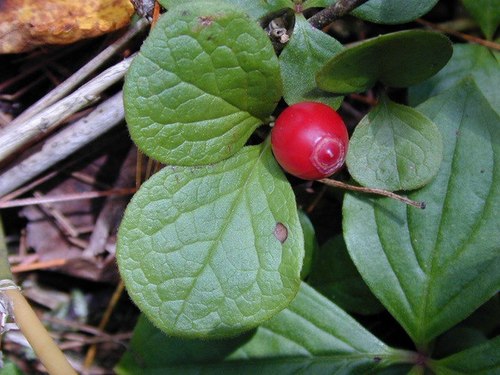
iNaturalist· cc-by
(c) Alan Rockefeller, some rights reserved (CC BY), uploaded by Alan Rockefeller
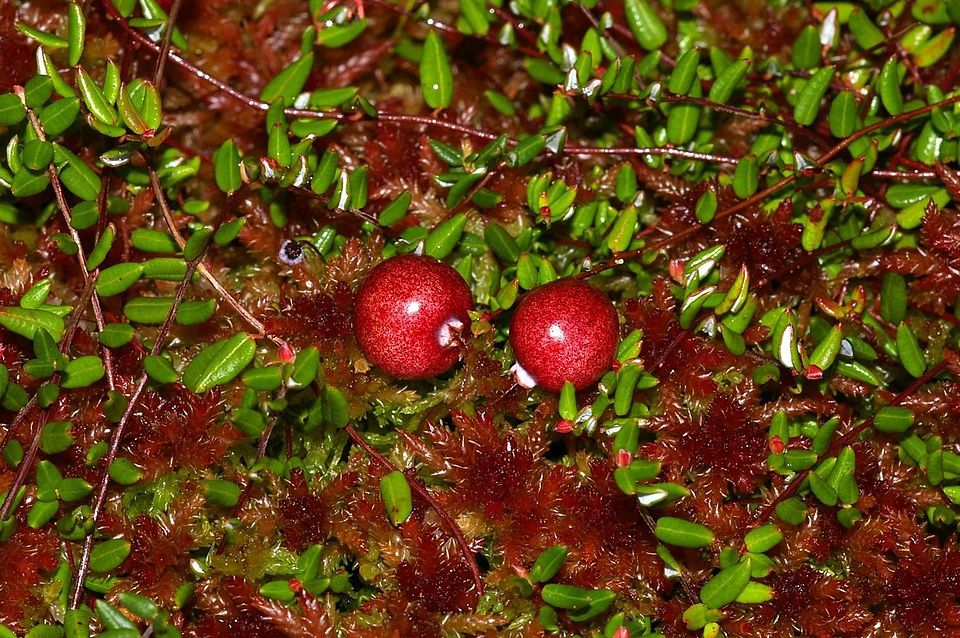
iNaturalist· cc-by
(c) Alan Rockefeller, some rights reserved (CC BY), uploaded by Alan Rockefeller
Summary
Source: WikipediaArctostaphylos stanfordiana, with the common name Stanford's manzanita, is a species of manzanita that is endemic to northern California. It is known from the outer North Coast Ranges north of the San Francisco Bay Area.
Description
An erect shrub. It grows 1.8 m high. It spread 1.8 m wide. The stems are smooth and red-brown. The leaves are oval and pointed. They are green. The flowers are pink or white. The fruit are red.
Edible Uses
Edible Parts: Fruit Edible Uses: Fruit - raw or cooked. The dried fruit is said to have a better flavour than most members of this genus. The fruit is about 5 - 7mm in diameter.
Traditional Uses
The dried fruit are eaten.
This uses section is brief — help expand it
Medicinal Uses
None known
Distribution
It is a warm temperate plant. It is native to California in the USA. It suits hardiness zones 8-10.
Where It Grows
Australia, North America, USA,
Cultivation
Requires a deep moist well-drained light or medium lime-free loam in sun or semi-shade, but plants produce less fruit when they are grown in the shade. Best given a neutral or slightly acid soil. A difficult plant to cultivate, even in its native California. It is best given a sunny position against a wall. Plants resent root disturbance and should be placed in their final positions as soon as possible. There are some named varieties selected for their ornamental value.
Propagation
Seed - best sown in a greenhouse as soon as it is ripe. Pre-soak dried seed in boiling water for 10 - 20 seconds or burn some straw on top of them and then stratify at 2 - 5°c for 2 months. The seed usually germinates in 2 - 3 months at 15°c. When large enough to handle, prick the seedlings out into individual pots and grow them on in a cold frame or greenhouse for at least their first winter. Plant out in late spring or early summer. Cuttings of side shoots of the current season's growth, 5 - 8cm with a heel, August to December in a frame. The cuttings are very slow and can take a year to root. The cuttings of this species usually strike readily. Division in early spring. Take care because the plant resents root disturbance. Pot the divisions up and keep them in a lightly shaded position in a cold frame or greenhouse until they are growing away actively. Layering in spring.
Other Uses
Dye A yellowish-brown dye is obtained from the leaves, it does not require a mordant. Special Uses
Notes
There are about 50 Arctostaphylos species.
References (5)
- Cundall, P., (ed.), 2004, Gardening Australia: flora: the gardener's bible. ABC Books. p 177
- Etherington, K., & Imwold, D., (Eds), 2001, Botanica's Trees & Shrubs. The illustrated A-Z of over 8500 trees and shrubs. Random House, Australia. p 102
- Facciola, S., 1998, Cornucopia 2: a Source Book of Edible Plants. Kampong Publications, p 95
- Glowinski, L., 1999, The Complete Book of Fruit Growing in Australia. Lothian. p 181
- Plants for a Future database, The Field, Penpol, Lostwithiel, Cornwall, PL22 0NG, UK. http://www.scs.leeds.ac.uk/pfaf/