Brachyloma daphnoides
(Smith) Benth.
Daphne Heath
iNaturalist· cc-by-nc
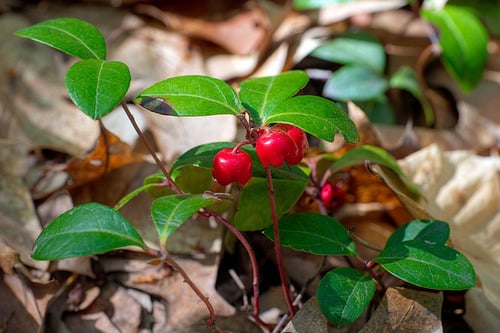
(c) yeahboiiii, some rights reserved (CC BY-NC), uploaded by yeahboiiii
iNaturalist· cc-by-nc
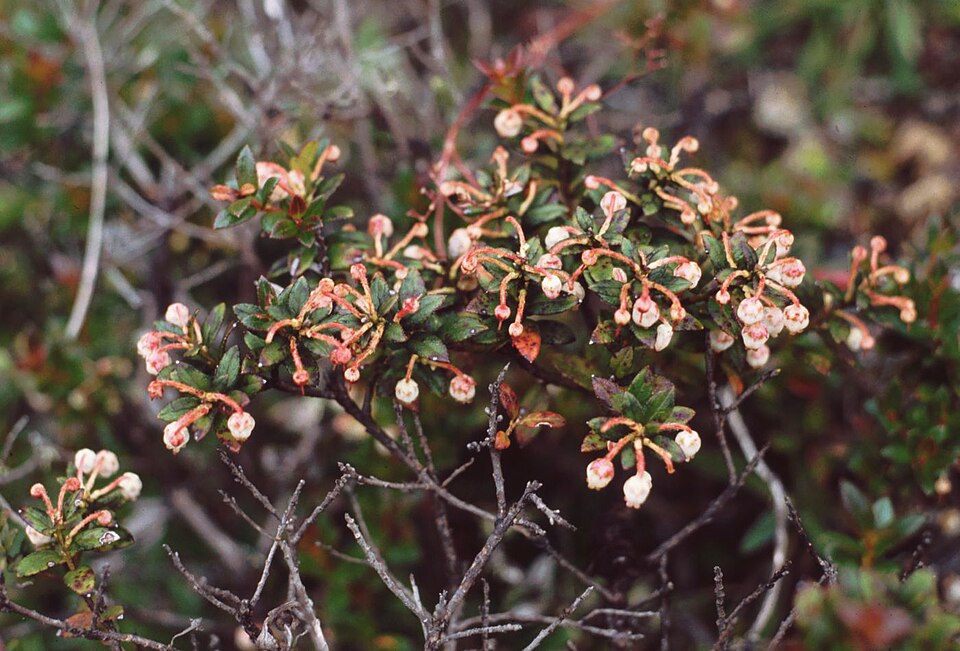
(c) grampianshiker, some rights reserved (CC BY-NC)
iNaturalist· cc-by-nc
(c) Ron Greer, some rights reserved (CC BY-NC), uploaded by Ron Greer
Summary
Source: WikipediaBrachyloma daphnoides, commonly known as daphne heath, is a flowering plant in the family Ericaceae. It is a small upright shrub with dull grey-green leaves and white tubular flowers.
Description
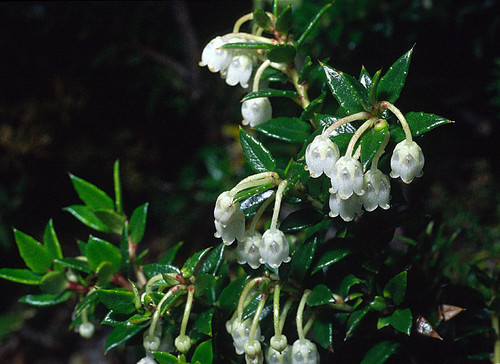
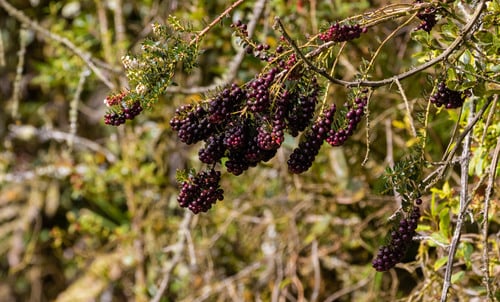
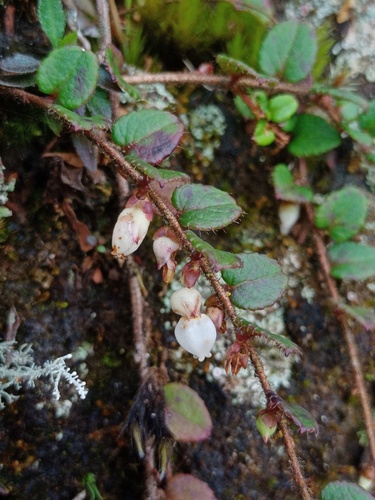
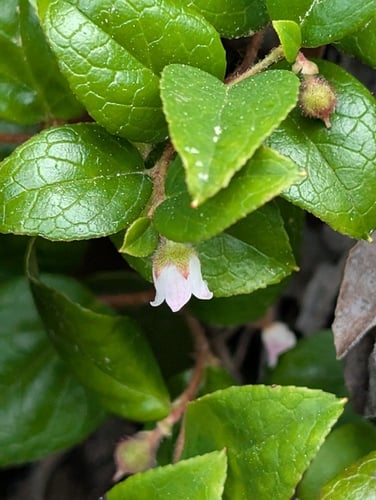
An upright grey-green shrub. It grows to 1.5 m high and spread 1.5 m wide. The leaves are almost without stalks and are oval. They are flat or slightly curved and grey-green. The leaves are 1.5 cm long. The flowers have a strong sweet smell. They are white and like tubes with 5 spreading star shaped lobes. They appear in small clusters near the ends of branches. The flowers are 0.5 cm long. The fruit are small, rounded and fleshy.
Edible Uses
The small, rounded, fleshy fruits can be used to make jam or jelly.
Traditional Uses
The fruit can be used to make jam or jelly.
This uses section is brief — help expand it
Distribution
It is a warm temperate plant. It grows in heath and open forests. It can grow in poor soils. It needs good drainage. It is mostly in coastal areas. It is resistant to drought and frost. It suits hardiness zones 9-10.
Where It Grows
Australia*, Tasmania,
Cultivation
Plants are grown from cuttings. It can also be grown from seed and by layering.
Production
Plants are slow growing.
Notes
There are 7 Brachyloma species. They grow in Australia. Possibly not in Tasmania according to 2017 Tasmanian plant census.
References (11)
- Blomberry, A.M., 1979, Australian Native Plants. Angus and Robertson p 114
- Bodkin, F., 1991, Encyclopedia Botanica. Cornstalk publishing, p 165
- Cronin, L., 1989, The Concise Australian Flora. Reed. p 39
- Elliot, W.R., & Jones, D.L., 1982, Encyclopedia of Australian Plants suitable for cultivation. Vol 2. Lothian. p 370
- Etherington, K., & Imwold, D., (Eds), 2001, Botanica's Trees & Shrubs. The illustrated A-Z of over 8500 trees and shrubs. Random House, Australia. p 141
Show all 11 references Hide references
- Grieg, D., 2002, A photographic guide to Wildflowers of South-eastern Australia. New Holland. p 32
- Haslam, S., 2004, Noosa's Native Plants. Noosa Integrated Catchment Assn. Inc. p 47
- Hibbert, M., 2002, The Aussie Plant Finder 2002, Florilegium. p 45
- Lord, E.E., & Willis, J.H., 1999, Shrubs and Trees for Australian gardens. Lothian. p 153
- Melzer, R. & Plumb, J., 2011, Plants of Capricornia. Belgamba, Rockhampton. p 110
- Williams, K.A.W., 1999, Native Plants of Queensland Volume 4. Keith A.W. Williams North Ipswich, Australia. p 78