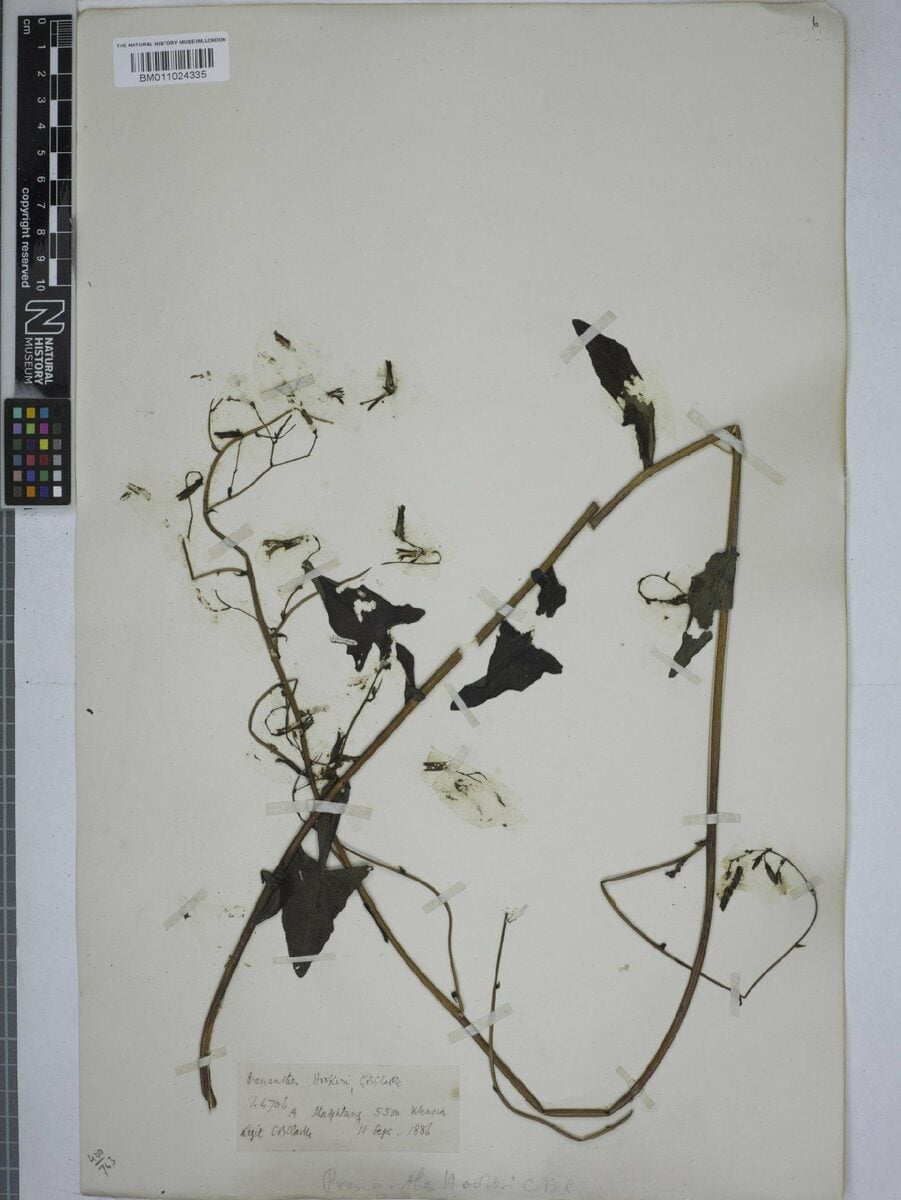
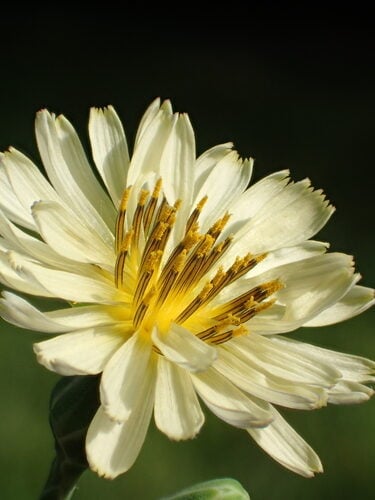
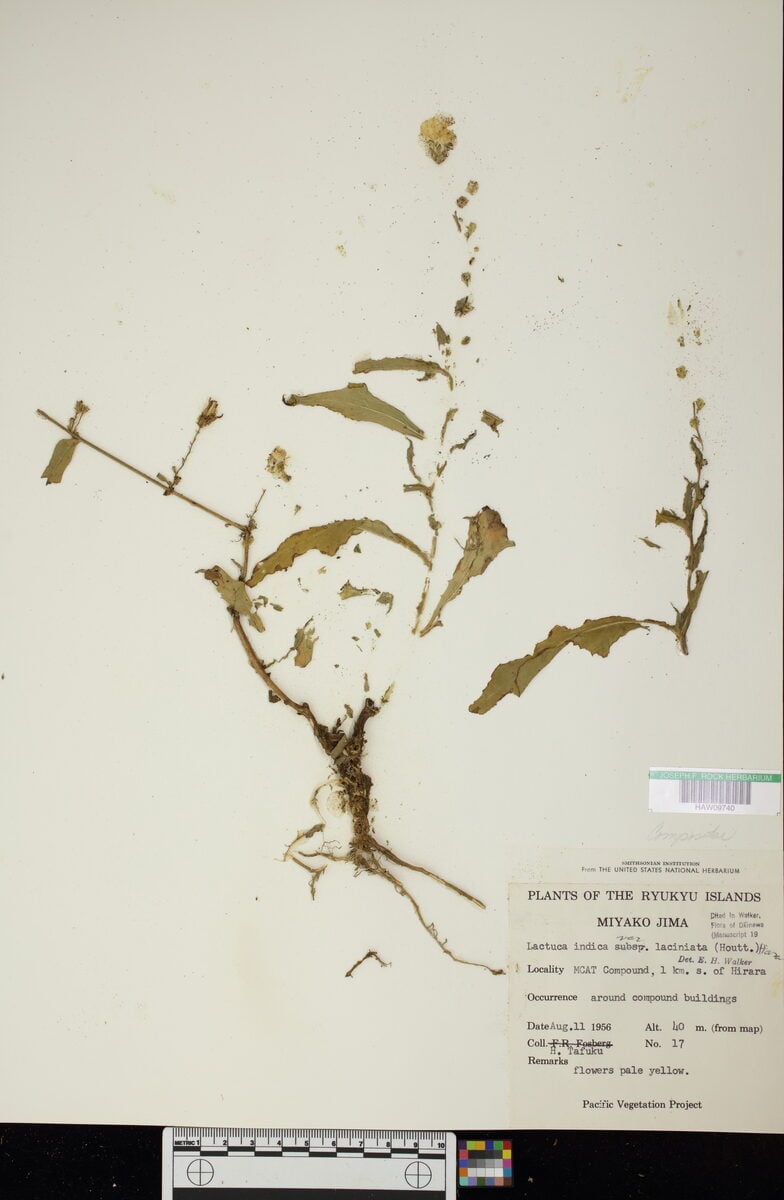
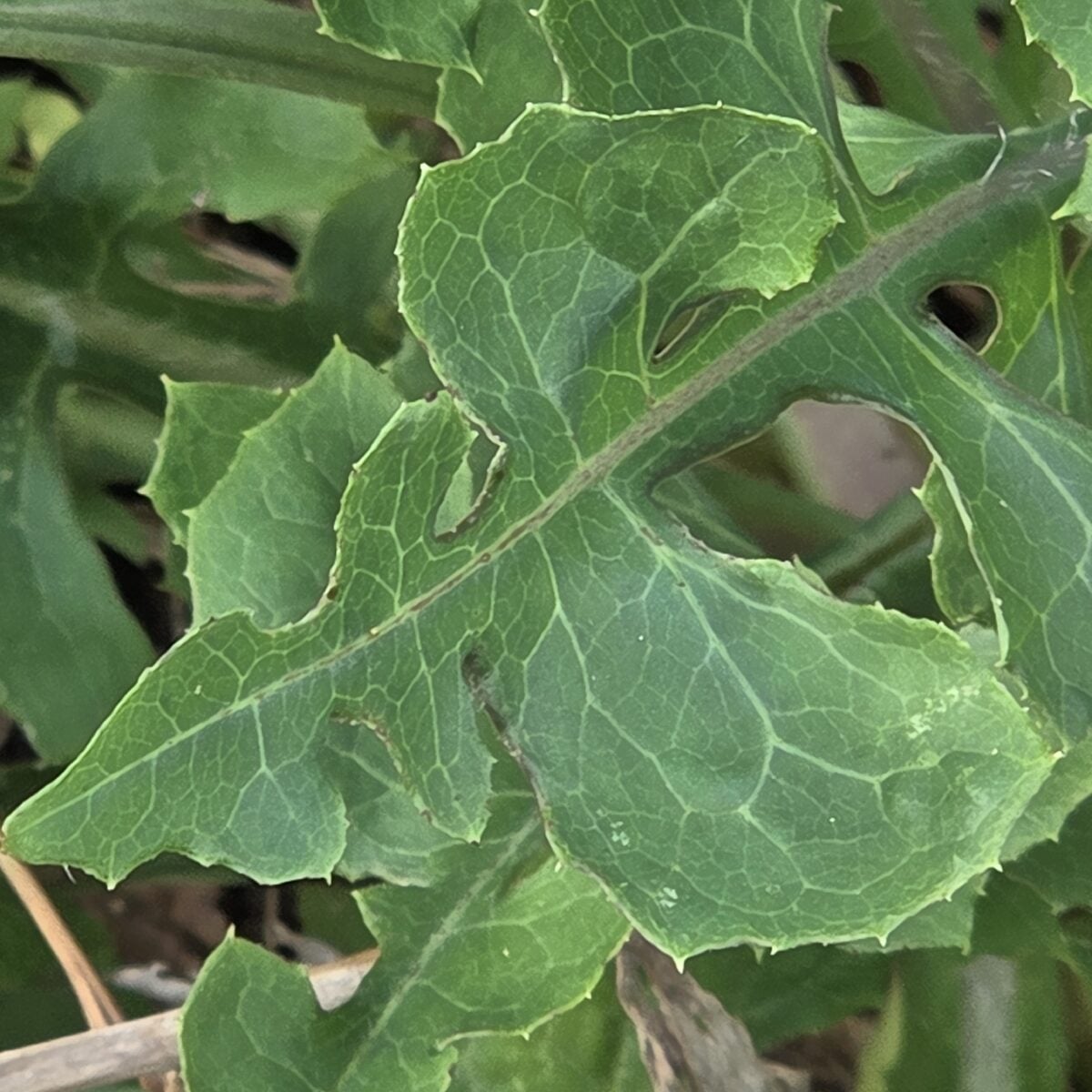
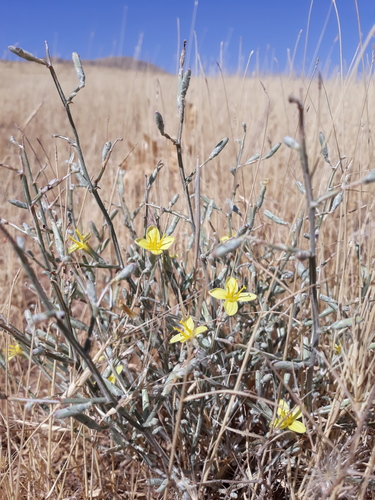
Scorzonera parviflora
Jacq.
Viper's grass, Idschelik
iNaturalist· cc-by-nc
(c) Sergey Mayorov, some rights reserved (CC BY-NC), uploaded by Sergey Mayorov
iNaturalist· cc-by-nc
(c) Sergey Mayorov, some rights reserved (CC BY-NC), uploaded by Sergey Mayorov
iNaturalist· cc-by-nc
(c) Sebastian J. Dunkl, some rights reserved (CC BY-NC), uploaded by Sebastian J. Dunkl
Summary
A biennial or perennial reaching 0.6 m (2 ft) tall. Hermaphroditic flowers are pollinated by insects. Grows in light sandy, medium loamy, or heavy clay soils with good drainage. Tolerates mildly acidic, neutral, mildly alkaline, and saline soils. Requires full sun and adapts to both dry and moist conditions.
Description
A herb. It grows 10-60 cm tall. It keeps growing from year to year. The leaves are in a ring. The rootstock is 1.5 cm across and creeping. There is one or a few stems that are only occasionally branched. The leaves at the base are narrowly oval and 7-20 cm long by 1-2 cm wide. There are only a few leaves on the stem and they are small. The flowers are yellow.
Edible Uses
The leaves are cooked and used as a spinach.
Medicinal Uses
None known.
Distribution
It is a temperate plant. It grows in wet, slightly salty meadows and riverbanks between 900-1,700 m above sea level in western China.
Where It Grows
Afghanistan, Asia, Central Asia, China, Czech, Europe, Kazakhstan, Kyrgyzstan, Mongolia, Russia, Slovakia, Spain, Turkmenistan, Uzbekistan,
Cultivation
We have very little information on this species and do not know if it will be hardy in Britain, though judging by its native range it should succeed outdoors in many parts of the country. The following notes are based on the general needs of the genus. Succeeds in any soil in sun or light shade.
Propagation
Sow seed in spring or late summer directly in situ. In dry conditions it is worth watering the seed in, as germination may otherwise be delayed.
Other Uses
None known.
Nutrition
| Part | Moisture | kJ | kcal | Protein | Vit A | Vit C | Iron | Zinc |
|---|---|---|---|---|---|---|---|---|
| Leaves | 81.4 | 234 | 56 | 4.9 | — | — | — | — |
References (5)
- Ertug, F, Yenen Bitkiler. Resimli Türkiye Florası -I- Flora of Turkey - Ethnobotany supplement
- Food Composition Tables for the Near East. http://www/fao.org/docrep No. 438
- Hedrick, U.P., 1919, (Ed.), Sturtevant's edible plants of the world. p 601
- Plants for a Future database, The Field, Penpol, Lostwithiel, Cornwall, PL22 0NG, UK. http://www.scs.leeds.ac.uk/pfaf/
- Urgamal, M., Oyuntsetseg, B., Nyambayar, D. & Dulamsuren, Ch. 2014. Conspectus of the vascular plants of Mongolia. (Editors: Sanchir, Ch. & Jamsran, Ts.). Ulaanbaatar, Mongolia. “Admon“ Press. 334pp. (p. 199-230).