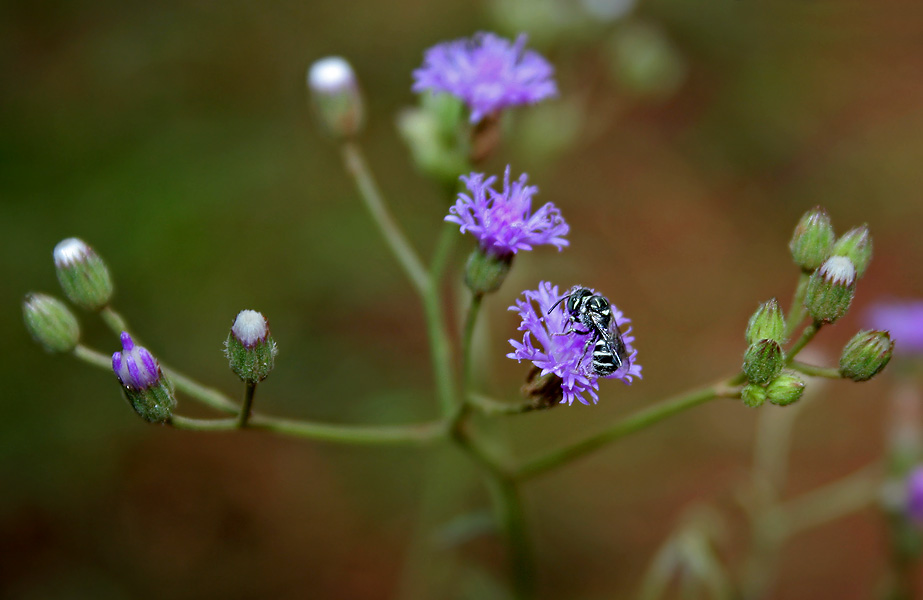
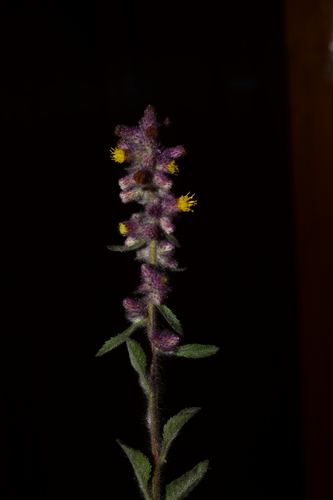
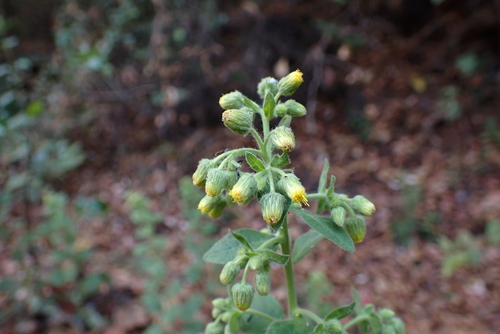
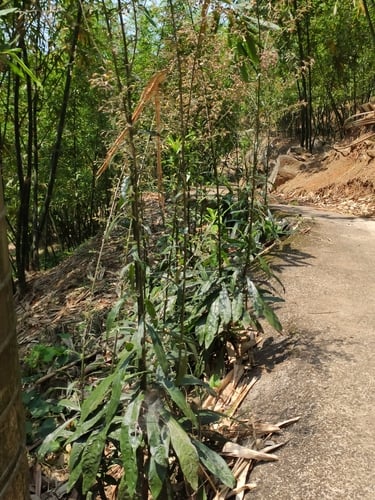
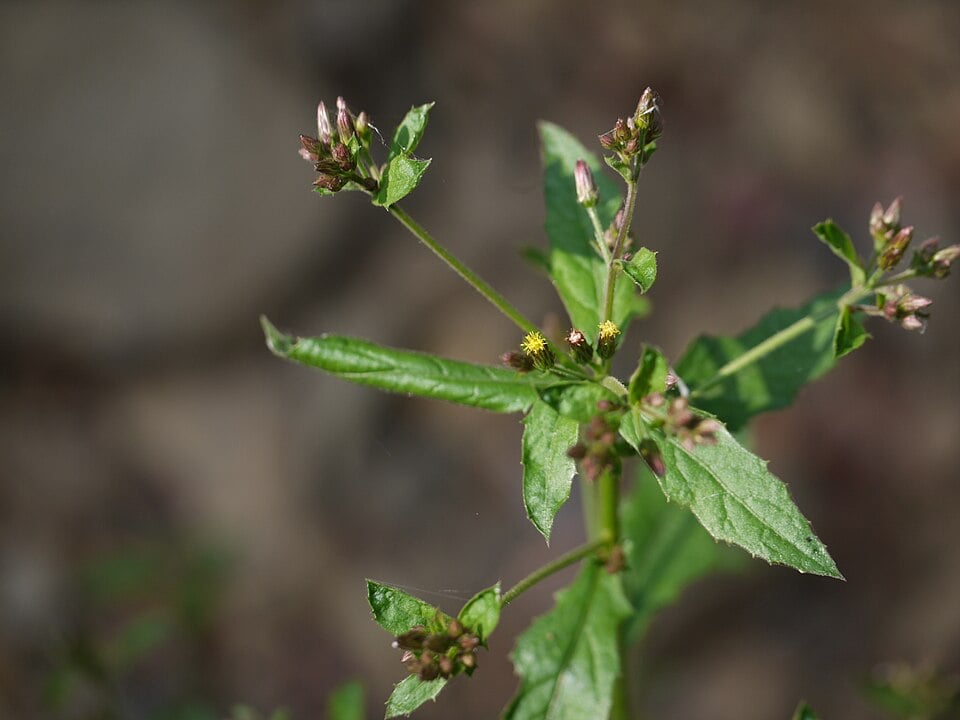
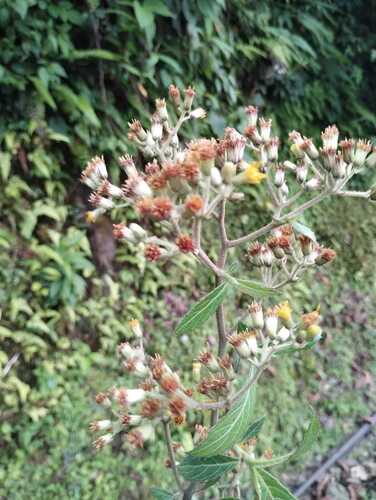
Silphium laciniatum
L.
Compass Plant, Robinson's compassplant
iNaturalist· cc-by-nc
(c) Sadie Hickey, some rights reserved (CC BY-NC), uploaded by Sadie Hickey
iNaturalist· cc-by-sa
(c) Frank Mayfield, some rights reserved (CC BY-SA)
iNaturalist· cc-by-nc
(c) John Hilty, some rights reserved (CC BY-NC)
Description
Silphium laciniatum is a PERENNIAL growing to 2 m (6ft) by 0.6 m (2ft in). See above for USDA hardiness. It is hardy to UK zone 4. It is in flower from July to August, and the seeds ripen from August to September. The species is hermaphrodite (has both male and female organs) and is pollinated by Insects. Suitable for: light (sandy), medium (loamy) and heavy (clay) soils. Suitable pH: mildly acid, neutral and basic (mildly alkaline) soils. It can grow in semi-shade (light woodland) or no shade. It prefers moist soil.
Edible Uses
A resin exudes naturally from the plant, and can also be obtained by incision. It is an inexpensive substitute for mastic and is used as a chewing gum to sweeten the breath. It forms on the upper part of the flowering stem.
Medicinal Uses
Diuretic Emetic Expectorant Tonic Vermifuge. The resin obtained from the plant is diuretic. It imparts a strong aromatic odour to urine. A tea made from the roots is vermifuge and a tonic for general debility. It is used as an expectorant in coughs and other pulmonary ailments. A decoction of the smaller roots has been used as an emetic. A tea made from the leaves is emetic, it has also been used in the treatment of coughs, lung ailments and asthma.
Known Hazards
There is a report that the plant might be toxic.
Distribution
Central N. America - Ohio to Minnesota, south to Alabama and Texas.
Where It Grows
NORTHERN AMERICA: Canada, Ontario (south), United States, Indiana, Michigan, New York, Ohio, Pennsylvania, Illinois, Iowa, Kansas, Minnesota, Missouri, Nebraska, Oklahoma, South Dakota, Wisconsin, Alabama, Arkansas, Kentucky, Louisiana, Mississippi, Tennessee, New Mexico, Texas,
Cultivation
Succeeds in any ordinary garden soil. Prefers a deep moisture retentive moderately fertile soil that is not too nitrogen rich, in sun or dappled shade. Prefers a shady position. A very ornamental plant. Leaves of young plants tip vertically and align themselves north to south to minimise exposure to the midday sun. Plants have a deep and extensive root system which makes transplanting difficult.
Propagation
Seed - best sown as soon as it is ripe in a greenhouse. Prick out the seedlings into individual pots as soon as they are large enough to handle and plant them out in the summer. Division in spring. This is very difficult due to the deep and extensive root system.
Other Uses
Gum. None known