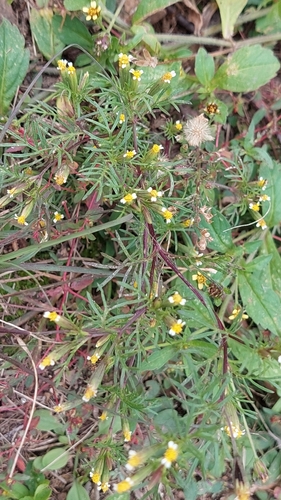
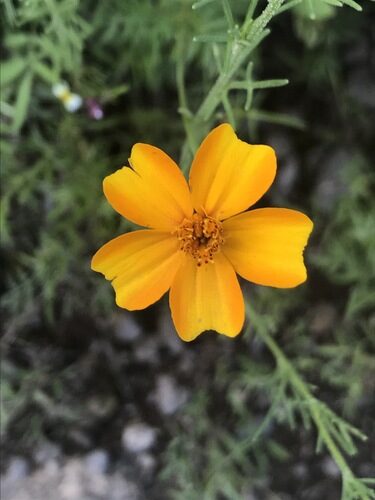
Scorzonera austriaca
Willd.
iNaturalist· cc-by-nc
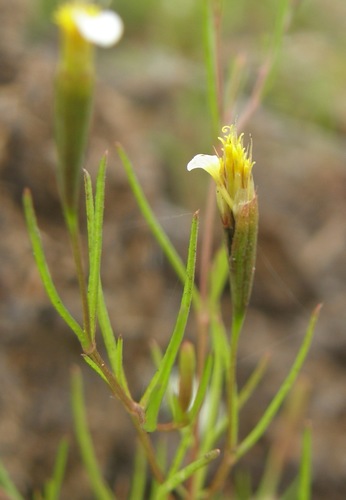
(c) Pyak Andrei, some rights reserved (CC BY-NC)
iNaturalist· cc-by
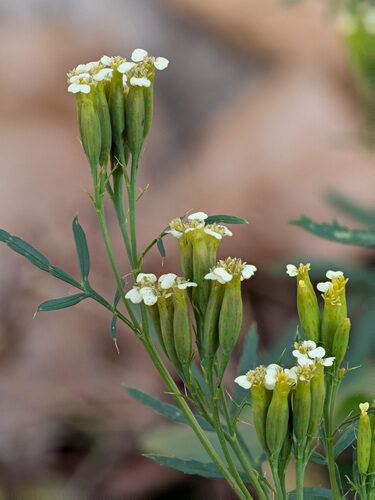
(c) Michael Andresek, some rights reserved (CC BY)
iNaturalist· cc-by
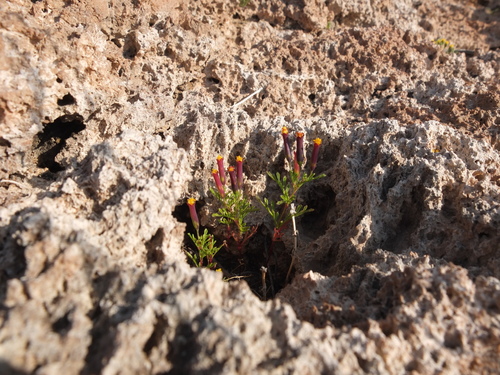
(c) Michael Andresek, some rights reserved (CC BY)
Summary
Source: WikipediaScorzonera austriaca is a perennial growing to 0.5 m (1 ft 8 in). It is hermaphroditic and insect-pollinated. The plant grows in light sandy, medium loamy, or heavy clay soils with good drainage. It prefers mildly acidic to basic soil pH levels and requires full sun. It tolerates both dry and moist soil conditions.
Description
A herb. It grows 5-15 cm tall. It keeps growing from year to year. It has leaves in a ring at the base. The top of the rootstock is woody. It is covered leafy fibrous leaf sheaths. There is usually one stem. The leaves at the base are narrow and 3-35 cm long by 1-3 cm wide. There can be a few small leaves on the stem.
Edible Uses
The root is edible cooked, and young leaves can also be cooked and eaten.
Medicinal Uses
None known.
Distribution
It is a temperate plant. It grows on flood plains, grassy river banks and lake shores between 400-2,000 m above sea level in north China.
Where It Grows
Asia, Balkans, Bulgaria, Central Asia, China, Czech, Europe, France, Italy, Kazakhstan, Korea, Mediterranean, Mongolia, Russia, Slovakia, Slovenia, Tibet,
Cultivation
We have very little information on this species and do not know if it will be hardy in Britain, though judging by its native range it should succeed outdoors in most parts of the country. The following notes are based on the general needs of the genus. Succeeds in any soil in sun or light shade.
Propagation
Sow seed in spring in a greenhouse, pricking out seedlings into relatively deep pots as soon as they are large enough to handle, to accommodate the taproot. If growth is strong, plant out in early summer; otherwise overwinter in the greenhouse and plant out in late spring the following year. Divide in autumn or as growth begins in spring. Larger divisions can go straight into permanent positions. Smaller divisions are best potted up and grown on in a lightly shaded cold frame, then planted out once well established in summer.
Other Uses
None known.
Other Information
It is an attractive food additive.
Synonyms
Also Known As
Avstrijski gadnjak
References (4)
- http://www.botanic-gardens-ljubljana.com/en/plants
- Plants for a Future database, The Field, Penpol, Lostwithiel, Cornwall, PL22 0NG, UK. http://www.scs.leeds.ac.uk/pfaf/
- Urgamal, M., Oyuntsetseg, B., Nyambayar, D. & Dulamsuren, Ch. 2014. Conspectus of the vascular plants of Mongolia. (Editors: Sanchir, Ch. & Jamsran, Ts.). Ulaanbaatar, Mongolia. “Admon“ Press. 334pp. (p. 199-230).
- Zhu, Y., et al, 2009, Biguaiascorzolides A and B: Two novel dimeric guaianolides with a rare skeleton, from Scorzonera austriaca. Food Chemistry 114: 1316-1320