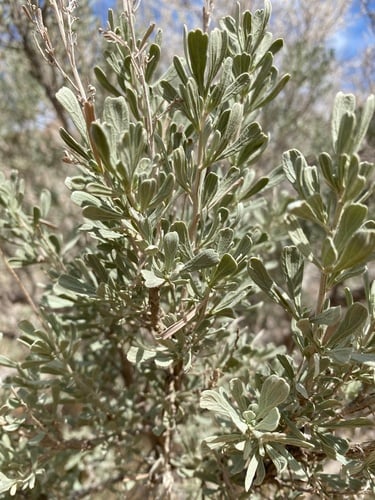
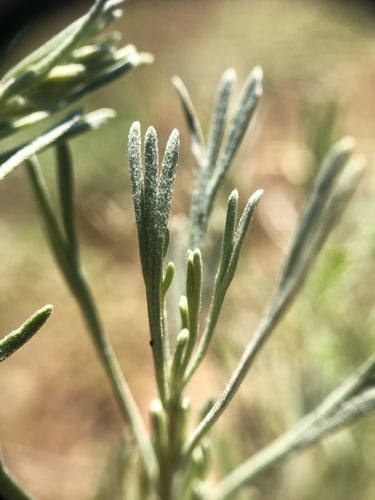
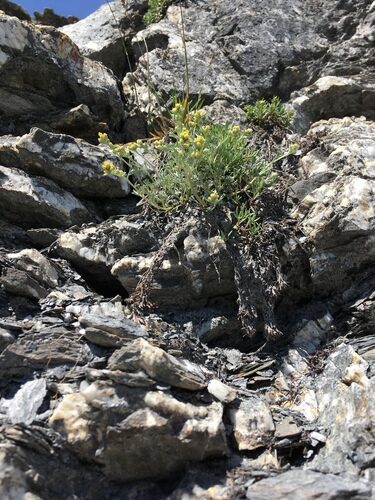
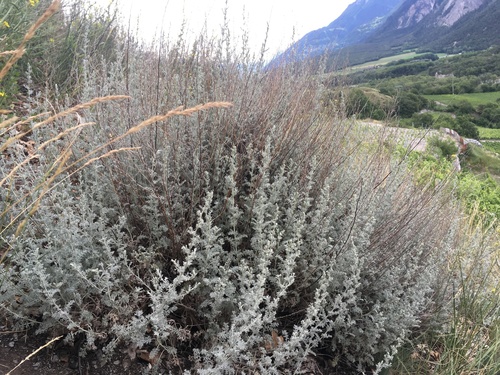
Blumea lanceolaria
(Roxb.) Druce
Lanceleaf blumea
iNaturalist· cc-by-nc
(c) johntsai365, some rights reserved (CC BY-NC)
iNaturalist· cc-by-nc
(c) JODY HSIEH, some rights reserved (CC BY-NC), uploaded by JODY HSIEH
iNaturalist· cc-by-sa
(c) Dinesh Valke, some rights reserved (CC BY-SA)
Description
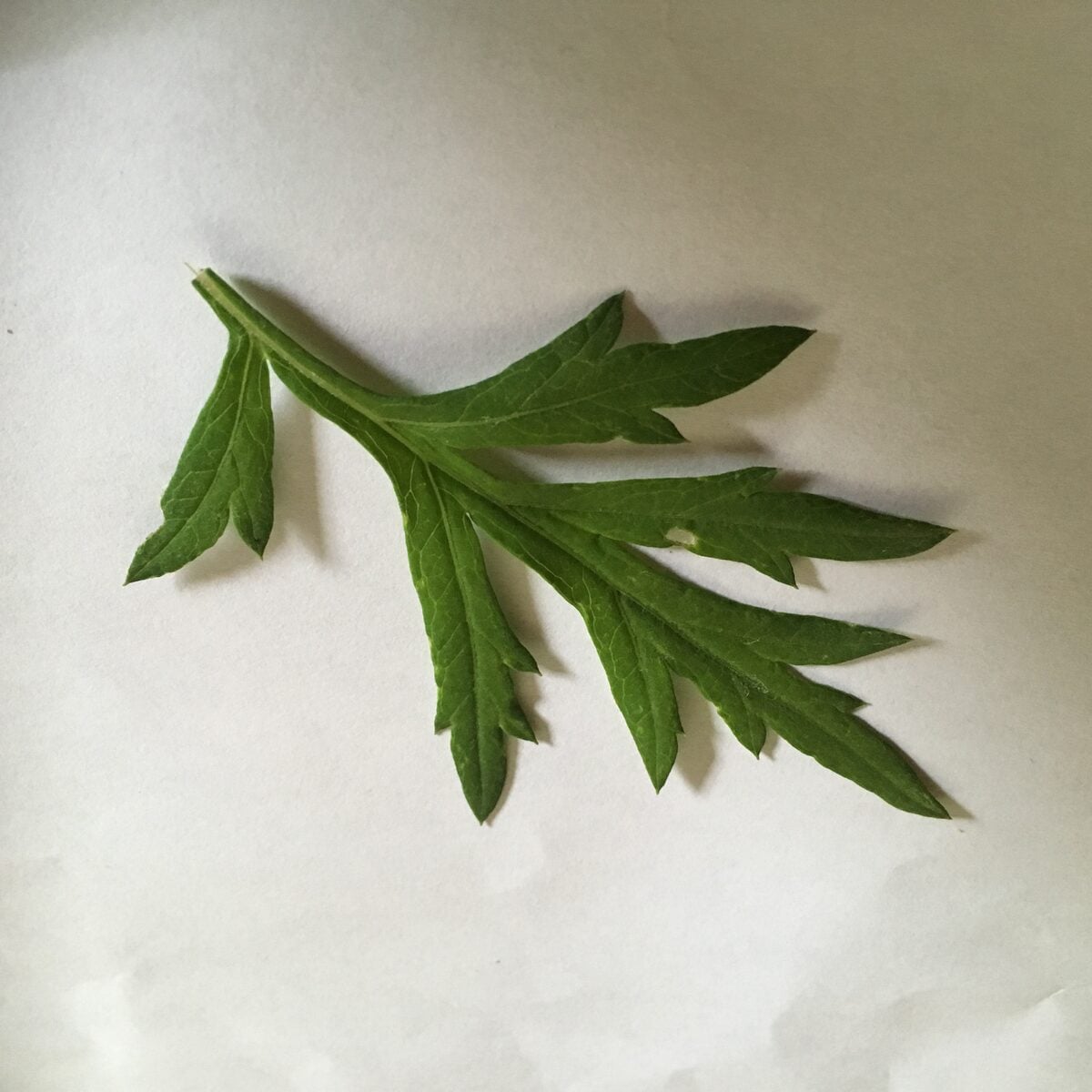
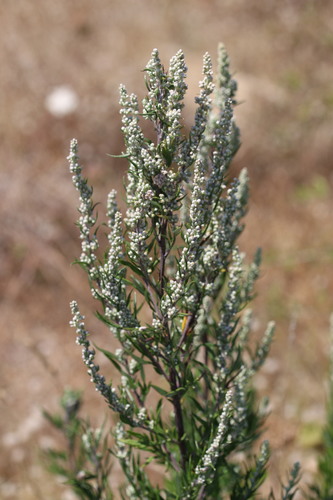
A tall herb. It takes 2 years to complete its life cycle. It can keep growing from year to year. It can be 3 m or more tall. The stems are woody at the base and have lines along them. The leaves are narrowly oblong and 20-30 cm long by 4-8 cm wide.
Edible Uses
The leaves are boiled and eaten, and used to flavor fish. The roots are also edible.
Traditional Uses
The leaves are used to flavour fish. They are boiled and eaten.
This uses section is brief — help expand it
Medicinal Uses
The leaves are used as a spice.
Distribution
A tropical plant. It grows in the central mountains in Malaysia. In southern China it grows in forests, on grassy slopes and along rivers between 400-1,500 m above sea level. In Yunnan.
Where It Grows
Asia, Bhutan, China, Himalayas, India, Indochina, Indonesia, Japan, Malaysia, Myanmar, Northeastern India, Pakistan, Philippines, SE Asia, Sri Lanka, Taiwan, Thailand, Vietnam,
Cultivation
A highly variable plant.
Other Information
It is cultivated.
Nutrition
| Part | Moisture | kJ | kcal | Protein | Vit A | Vit C | Iron | Zinc |
|---|---|---|---|---|---|---|---|---|
| Leaves | 91.7 | 63 | 15 | 2.2 | — | 4 | — | — |
Synonyms
Also Known As
Bualze, Buar-ze, Chapa, Kepijit, Lanceolated buffalo ear
References (15)
- Bircher, A. G. & Bircher, W. H., 2000, Encyclopedia of Fruit Trees and Edible Flowering Plants in Egypt and the Subtropics. AUC Press. p 60 (As Blumea myriocephala)
- Bot. Soc. Exch. Club Brit. Isles 4:609. 1917
- Burkill, I.H., 1966, A Dictionary of the Economic Products of the Malay Peninsula. Ministry of Agriculture and Cooperatives, Kuala Lumpur, Malaysia. Vol 1 (A-H) p 343 (As Blumea myriocephala)
- Guite, C., 2016, A study of wild edible plants associated with the Paite tribe of Manipur, India, International Journal of Current Research. Vol. 8, Issue, 11, pp. 40927-40932
- Kar, A., et al, 2013, Wild Edible Plant Resources used by the Mizos of Mizoram, India. Kathmandu University Journal of Science, Engineering and Technology. Vol. 9, No. 1, July, 2013, 106-126
Show all 15 references Hide references
- Martin, F.W. & Ruberte, R.M., 1979, Edible Leaves of the Tropics. Antillian College Press, Mayaguez, Puerto Rico. p 184 (As Blumea myriocephala)
- Mot So Rau Dai an Duoc O Vietnam. Wild edible Vegetables. Ha Noi 1994, p 242
- Murtem, G. & Chaudhrey, P., 2016, An ethnobotanical note on wild edible plants of Upper Eastern Himalaya, India. Brazilian Journal of Biological Sciences, 2016, v. 3, no. 5, p. 63-81
- Phangchopi, U., et al, 2015, Diversity of wild edible plants in Marat Longri Wildlife Sanctuary, Assam. Indian Journal of Natural Products and Resources Vol. 6(4), December 2015 pp. 305-313
- PROSEA handbook Volume 13 Spices. p 274
- Seal, T., et al, 2013,Evaluation of Proximate and Mineral Composition of Wild Edible Leaves, traditionally used by the Local People of Meghalaya State in India. Asian Journal of Plant Sciences 12(4): 171-175
- Seidemann J., 2005, World Spice Plants. Economic Usage, Botany, Taxonomy. Springer. p 66
- Terra, G.J.A., 1973, Tropical Vegetables. Communication 54e Royal Tropical Institute, Amsterdam, p 29 (As Blumea myriocephala)
- World Checklist of Useful Plant Species 2020. Royal Botanic Gardens, Kew
- Zeven, A. C. & de West, J. M. J., 1982, Dictionary of cultivated plants and their regions of diversity. Wageningen. p 51 (As Blumea myriocephala)