Blumea riparia
(Blume) DC.
iNaturalist· cc0
no rights reserved, uploaded by S.MORE
iNaturalist· cc-by-nc
(c) 台灣雲杉, some rights reserved (CC BY-NC)
Description
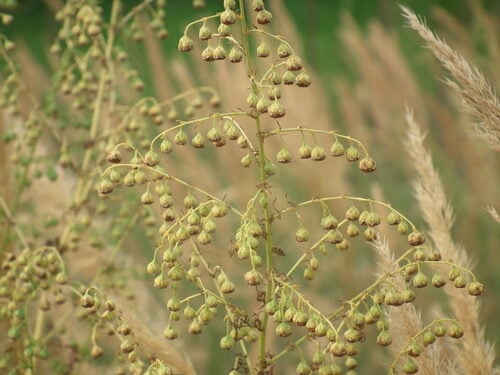
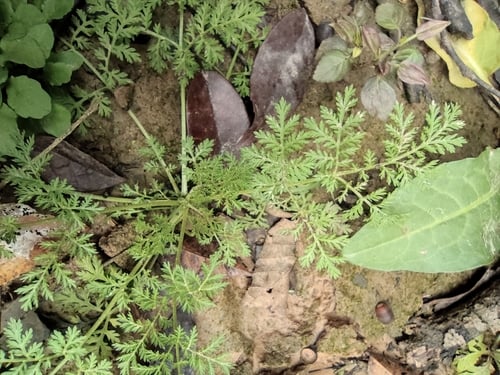
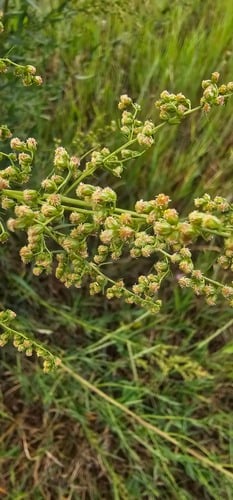
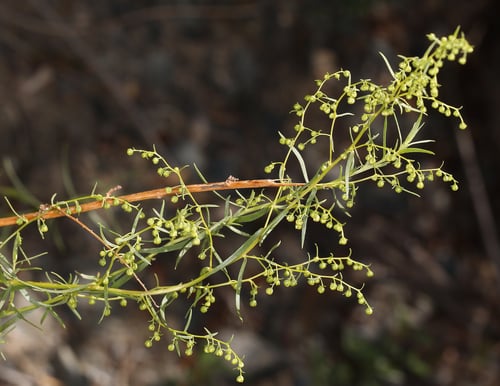
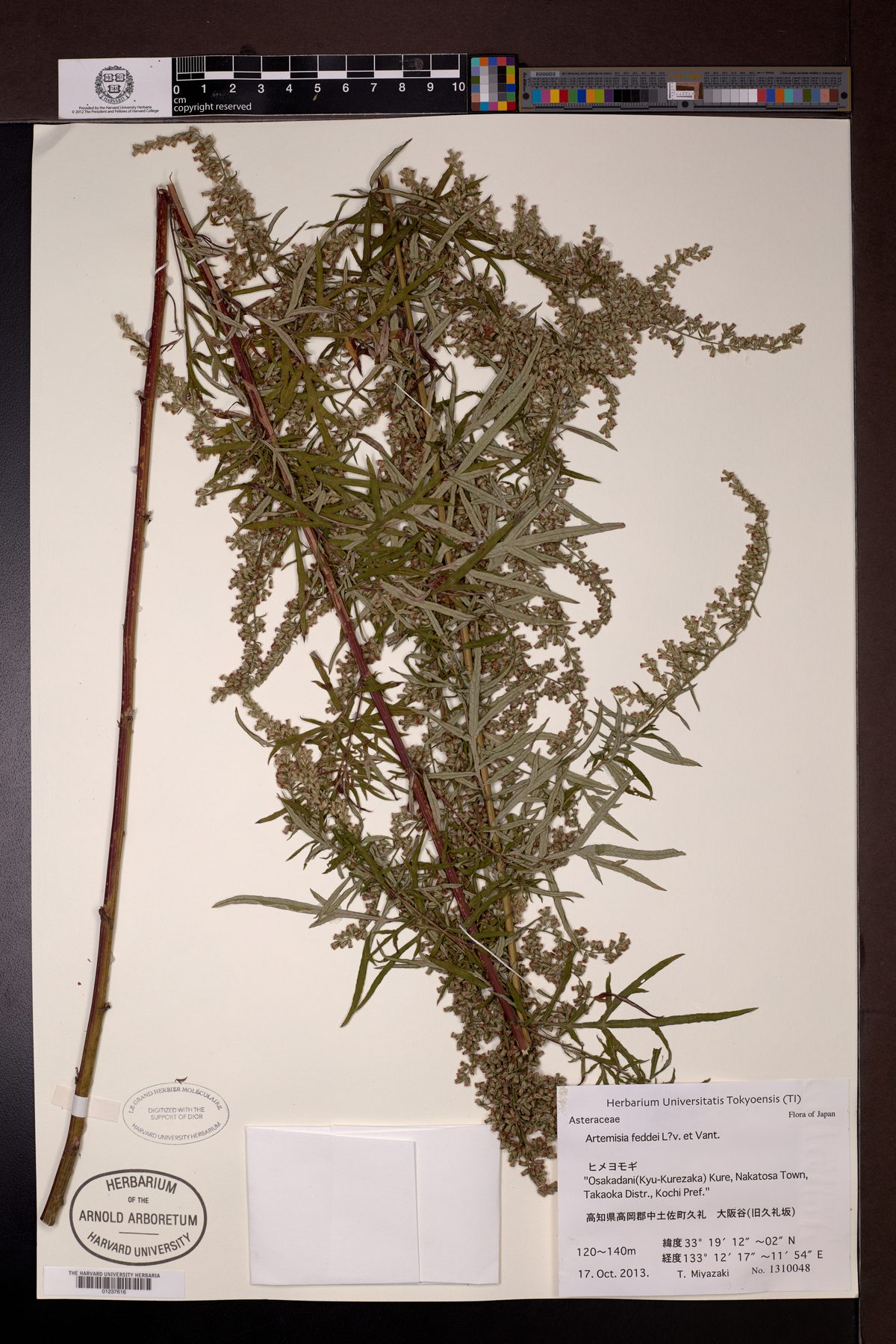
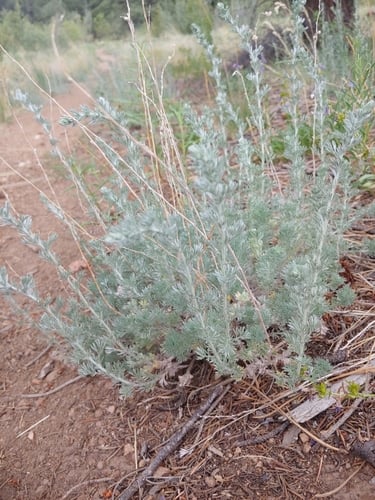
A small climbing herb or small shrub up to 2-5 m tall. It climbs on trees and shrubs. The stem is round and 5-8 mm thick. It does not have a channel along it. The twigs are rod like and smooth. The leaves are soft and fleshy. They are oblong and 4-13 cm long by 2.5-6 cm wide. They are oblique in shape. They have very fine teeth along the edge. The base of the leaf does not run into the leaf stalk. The leaf stalk is 3-12 mm long. The flowers occur in hairy, branched, flower stalks at the end of the plant. These are 10-20 cm long. Flowers can also occur as small groups along the twigs in the axils of leaves.
Edible Uses
The leaves are eaten.
Traditional Uses
The leaves have been recorded as eaten.
This uses section is brief — help expand it
Medicinal Uses
A decoction of the roots is taken to cure colic. The leaf juice is applied topically to treat sores, boils and sore eyes.
Distribution
A tropical plant. It grows from sea level up to 2000 m altitude. It is often along tracks or near the edge of forests.
Where It Grows
Asia, Australia, Bhutan, China, Himalayas, India, Indochina, Indonesia, Malaysia, Myanmar, Nepal, Pacific, Papua New Guinea, PNG, Philippines, SE Asia, Solomon Islands, Taiwan, Thailand, Vietnam,
Cultivation
It grows wild.
Synonyms
Also Known As
Ngo, Tombak-Tombak
References (10)
- Bircher, A. G. & Bircher, W. H., 2000, Encyclopedia of Fruit Trees and Edible Flowering Plants in Egypt and the Subtropics. AUC Press. p 60
- Borrell, O.W., 1989, An Annotated Checklist of the Flora of Kairiru Island, New Guinea. Marcellin College, Victoria Australia. p 62
- Cooper, W. and Cooper, W., 2004, Fruits of the Australian Tropical Rainforest. Nokomis Editions, Victoria, Australia. p 80
- Dobriyal, M. J. R. & Dobriyal, R., 2014, Non Wood Forest Produce an Option for Ethnic Food and Nutritional Security in India. Int. J. of Usuf. Mngt. 15(1):17-37
- French, B.R., 1986, Food Plants of Papua New Guinea, A Compendium. Asia Pacific Science Foundation p 318
Show all 10 references Hide references
- Peekel, P.G., 1984, (Translation E.E.Henty), Flora of the Bismarck Archipelago for Naturalists, Division of Botany, Lae, PNG. p 559, 558
- Powell, J.M., Ethnobotany. In Paijmans, K., 1976, New Guinea Vegetation. Australian National University Press. p 108
- Prodr. 5:444. 1836
- Thoa, P. T. K., et al, 2013, Biodiversity indices and utilization of edible wild plants a case study of the Cham Island in Quang Nam Province, Vietnam. Journal of research in Environmental Science and Toxicology Vol. 2(9): 167-174
- World Checklist of Useful Plant Species 2020. Royal Botanic Gardens, Kew