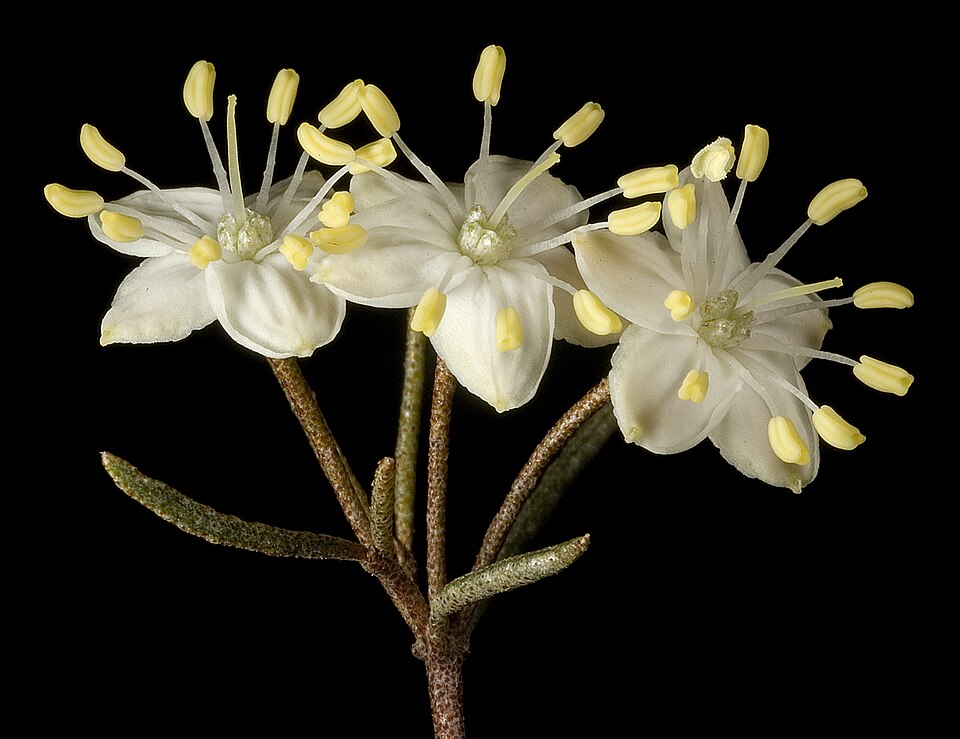
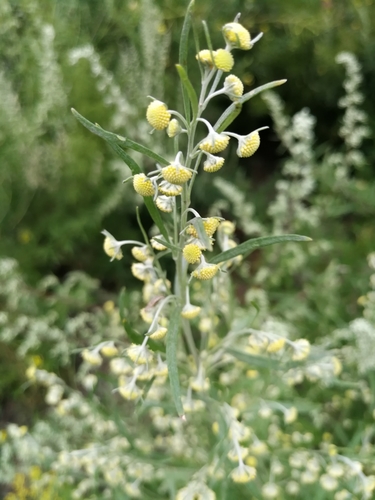
Borrichia frutescens
(L.) DC.
Jamaican samphire
iNaturalist· cc-by-nc
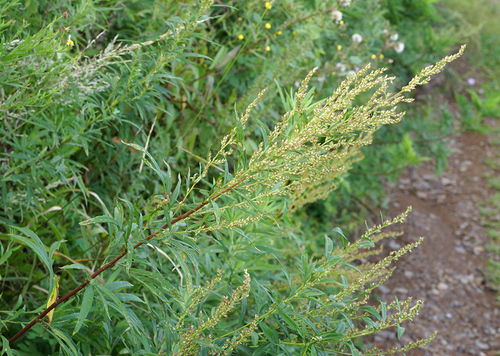
(c) Chris Kneupper, some rights reserved (CC BY-NC), uploaded by Chris Kneupper
iNaturalist· cc0
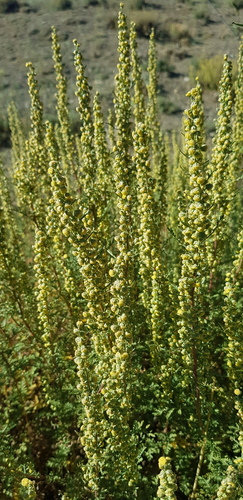
no rights reserved, uploaded by Alan Weakley
iNaturalist· cc-by-sa
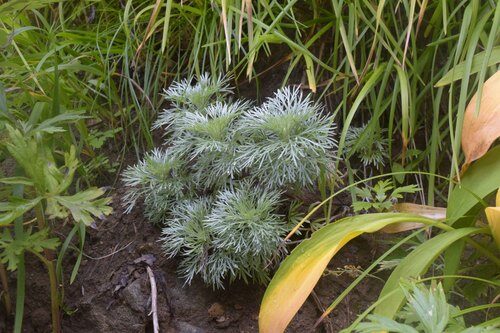
(c) José Francisco Colorado-Dapa, some rights reserved (CC BY-SA), uploaded by José Francisco Colorado-Dapa
Summary
Source: WikipediaBorrichia frutescens is a North American species of flowering plants in the family Asteraceae known by the common names sea oxeye, sea oxeye daisy, bushy seaside tansy, and sea-marigold. In Veracruz it is called verdolaga de mar. It is native to the United States and Mexico, where it occurs along the Atlantic and Gulf Coasts. Its distribution extends from Maryland south to Florida and west to Texas in the US, and along the Mexican Gulf Coast to the Yucatán Peninsula. It is an introduced species in some areas, such as Bermuda and Spain.
Description
A evergreen shrub. It has rhizomes or underground stems. It forms dense mats 1.2 m tall.
This description is brief — help expand it
Edible Uses
The leaves are apparently eaten in salads or as a potherb. The record for this plant being edible uses the common name of 'Jamaican Samphire' for the plant. This species is not native to Jamaica, although the very closely related B. Arborescens is. It is quite possible that the record refers to both species, or even the hybrid between them.
Traditional Uses
The young leaves are eaten as a potherb and in salads.
This uses section is brief — help expand it
Medicinal Uses
The leaves of the plant are used as a medicinal tea.
Distribution
It is a tropical and subtropical plant. It grows in salt marshes. It can be in brackish water and along limestone rocky shores. It grows up to 10 m above sea level. It can tolerate salty, acid or alkaline conditions. It needs a sunny position.
Where It Grows
America, Central America, Jamaica, Mexico, North America, USA. West Indies,
Cultivation
It can be used as a hedge or ground cover plant. It is slow growing.
Propagation
Seed - Cuttings Division
Other Uses
The dense growth of this plant makes it suitable for use as a low hedge or ground cover, especially near the sea and in saline soils. It is quite tolerant of trimming.
References (4)
- Dc. Prodr. 5:489. 1836
- Facciola, S., 1998, Cornucopia 2: a Source Book of Edible Plants. Kampong Publications, p 35
- Fern, K., 2012, Tropical Species Database http://theferns.info/tropical/
- Lovelock,