Hemistepta lyrata
(Bunge) Bunge
Fox thistle
iNaturalist· cc-by
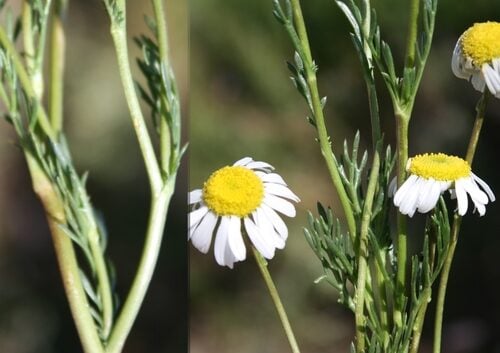
(c) WATANABE Hitoshi 渡辺仁, some rights reserved (CC BY)
iNaturalist· cc-by-nc
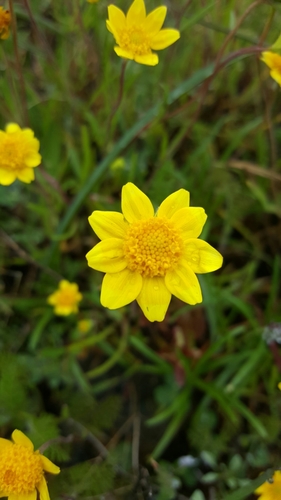
(c) Glenn Leiper, some rights reserved (CC BY-NC)
iNaturalist· cc-by-nc
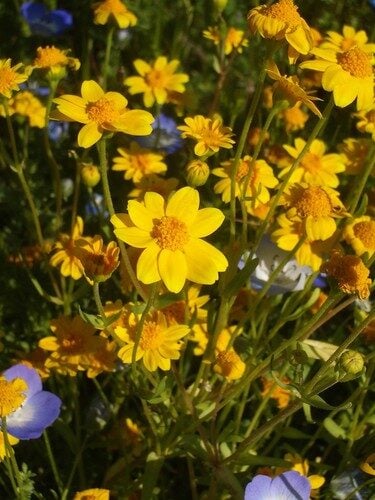
(c) Glenn Leiper, some rights reserved (CC BY-NC)
Description
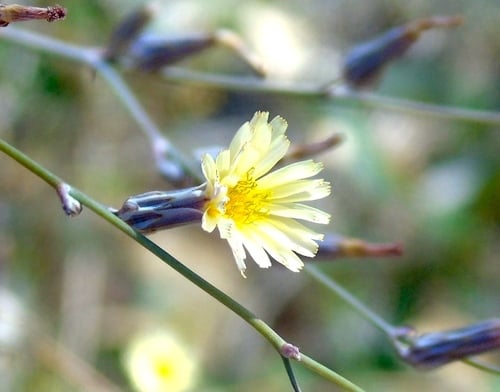
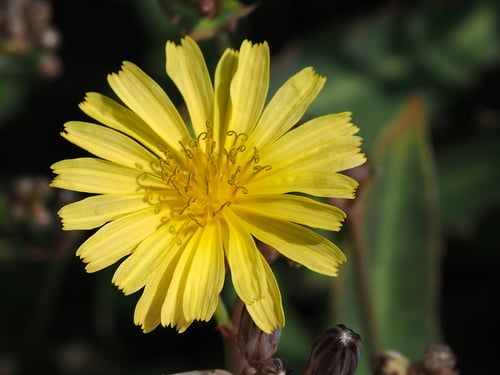
A herb. It grows 60 cm tall. The stems can have many branches. The lower leaves are thin and their lower surface has a white covering. The leaves are broadly sword shaped and 7-21 cm long. They have lyre shaped lobes along the stalk. The leaves on the stem are oblong. The flowers are in round heads 12-14 mm long.
Edible Uses
The shoots and leaves are eaten.
Traditional Uses
The shoots and leaves are eaten.
This uses section is brief — help expand it
Distribution
A cool temperate plant. In grows on mountain slopes and valleys. It grows from near sea level to 3,300 m above sea level. It needs to be in a sunny location.
Where It Grows
Asia, Australia, China, India, Japan, Korea, Myanmar, SE Asia, Taiwan,
Notes
There are about 400 Saussurea species. It restricts the germination of wheat, rape and radish.
Synonyms
Also Known As
Gangamula, Jichinggae, Pan-nu, Saussurea
References (6)
- Ambasta S.P. (Ed.), 2000, The Useful Plants of India. CSIR India. p 553 (As Saussurea affinis)
- Famine foods (As Saussurea affinis)
- Hwang, HS, et al, 2014, Distribution characteristics of plant in the Ungseokbong Mountain, Gyeongsangnam-do, Korea. Journal of Asia-Pacific Biodiversity. 7(2014) e164-e178
- Kim, H. & Song, M., 2013, Ethnobotanical analysis for traditional knowledge of wild edible plants in North Jeolla Province (Korea). Genetic. Resour. Crop Evol. (2013) 60:1571-1585
- Plants for a Future database, The Field, Penpol, Lostwithiel, Cornwall, PL22 0NG, UK. http://www.scs.leeds.ac.uk/pfaf/ (As Saussurea affinis)
Show all 6 references Hide references
- READ (As Saussurea affinis)