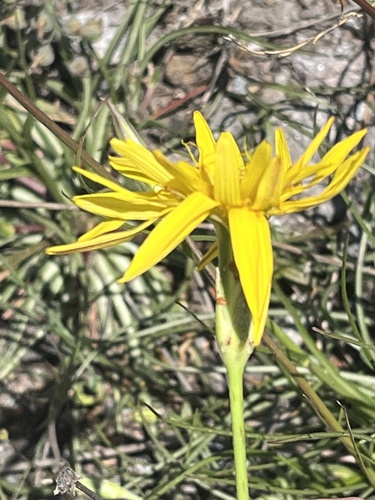
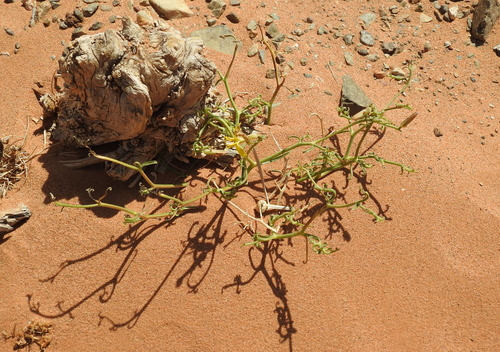
Cynara cornigera
Lindley
Wild artichoke
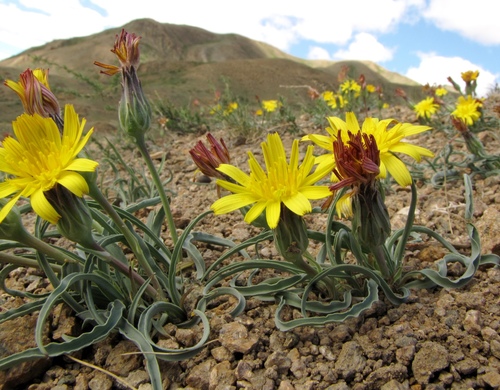
iNaturalist· cc-by-nc
(c) František Lamla, some rights reserved (CC BY-NC), uploaded by František Lamla
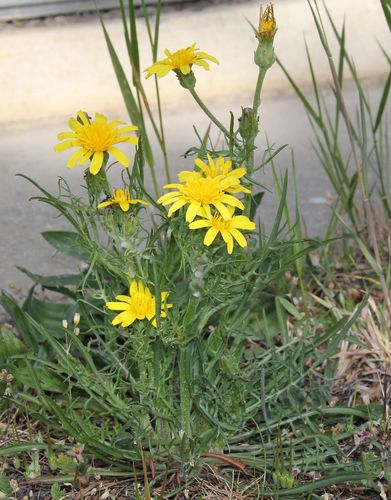
iNaturalist· cc-by-nc
(c) Felix Riegel, some rights reserved (CC BY-NC), uploaded by Felix Riegel
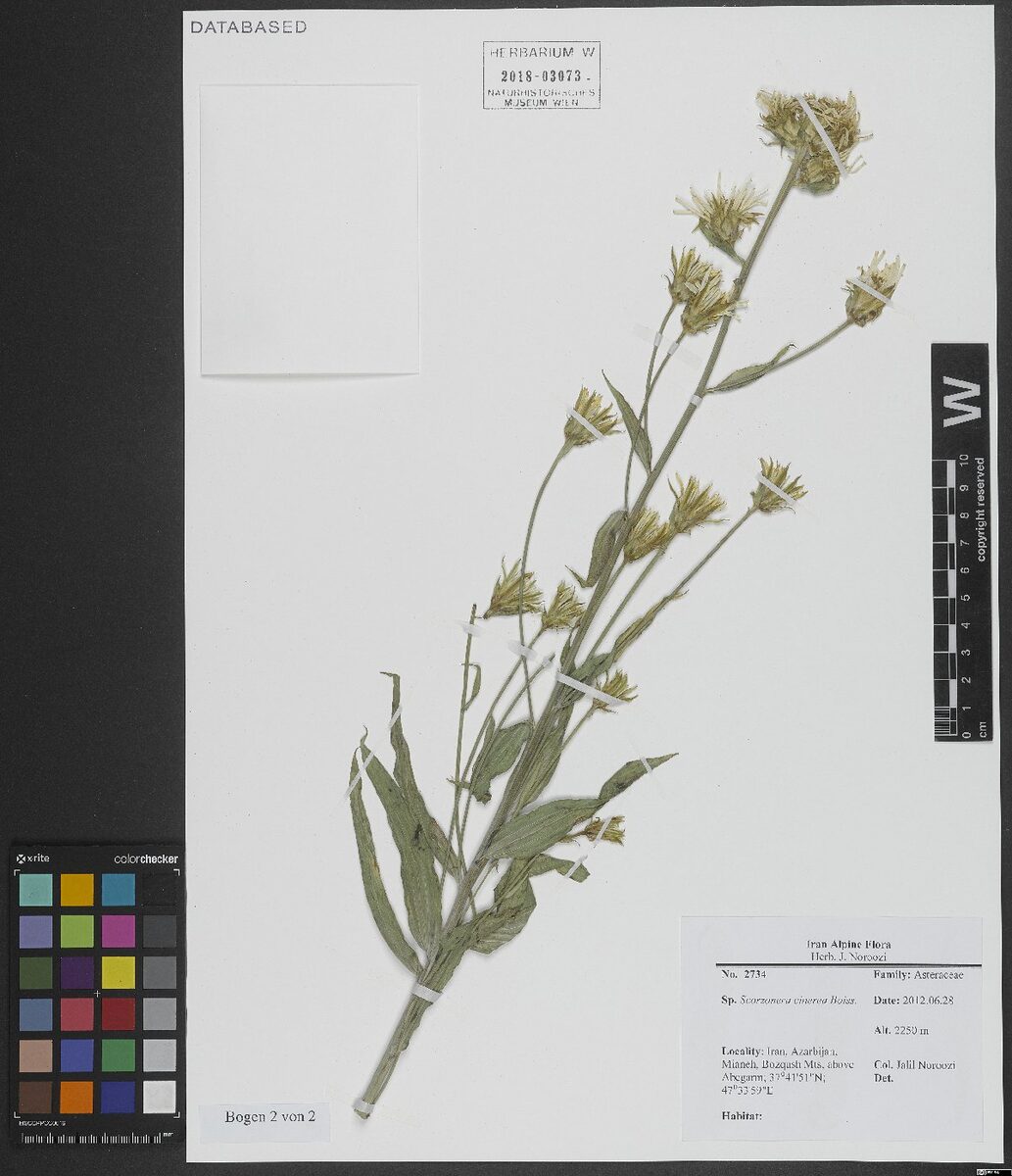
iNaturalist· cc-by-nc
(c) Konrad and Roland Greinwald, some rights reserved (CC BY-NC), uploaded by Konrad and Roland Greinwald
Description
A Mediterranean herb in the Asteraceae family, sold in local markets.
This description is brief — help expand it
Edible Uses
Young stems and flowers are eaten raw, boiled, or fried; leaves are boiled.
Traditional Uses
The young stems and flowers are eaten raw or boiled or fried. The leaves are boiled.
This uses section is brief — help expand it
Distribution
It is a Mediterranean plant.
Where It Grows
Crete, Cyprus, Europe, Greece, Mediterranean,
Other Information
It is sold in local markets.
Also Known As
Agriagginara, Chosti, Hostes, Kafkaromana, Kafkaroua, Kinara
References (6)
- Ciftcioglu, C. G., 2015, Sustainable wild-collection of medicinal and edible plants in Lefke region of North Cyprus. Agroforest Syst. Springer
- Della, A., et al, 2006, An ethnobotanical survey of wild edible plants of Paphos and Larnaca countryside of Cyprus. J. Ethnobiol. Ethnomed. 2:34
- Hadjichambis, A. C., et al, 2007, Wild and semi-domesticated food plant consumption in seven circum-Mediterranean areas. International Journal of Food Sciences and Nutrition. 2007, 1-32.
- http://cypruswildflowers.com
- Rivera, D. et al, 2006, Gathered Mediterranean Food Plants - Ethnobotanical Investigations and Historical Development, in Heinrich M, Müller WE, Galli C (eds): Local Mediterranean Food Plants and Nutraceuticals. Forum Nutr. Basel, Karger, 2006, vol 59, pp 18–74
Show all 6 references Hide references
- Vardavas, C. I., et al, 2006, Lipid concentrations of wild greens in Crete. Food Chemistry 99: 822-834