Sanicula tuberosa
Torr.
Turkey Pea
iNaturalist· cc-by-nc
(c) Don Rideout, some rights reserved (CC BY-NC), uploaded by Don Rideout
iNaturalist· cc-by
(c) Ken-ichi Ueda, some rights reserved (CC BY), uploaded by Ken-ichi Ueda
iNaturalist· cc-by-nc
(c) Jared Manninen, some rights reserved (CC BY-NC), uploaded by Jared Manninen
Summary
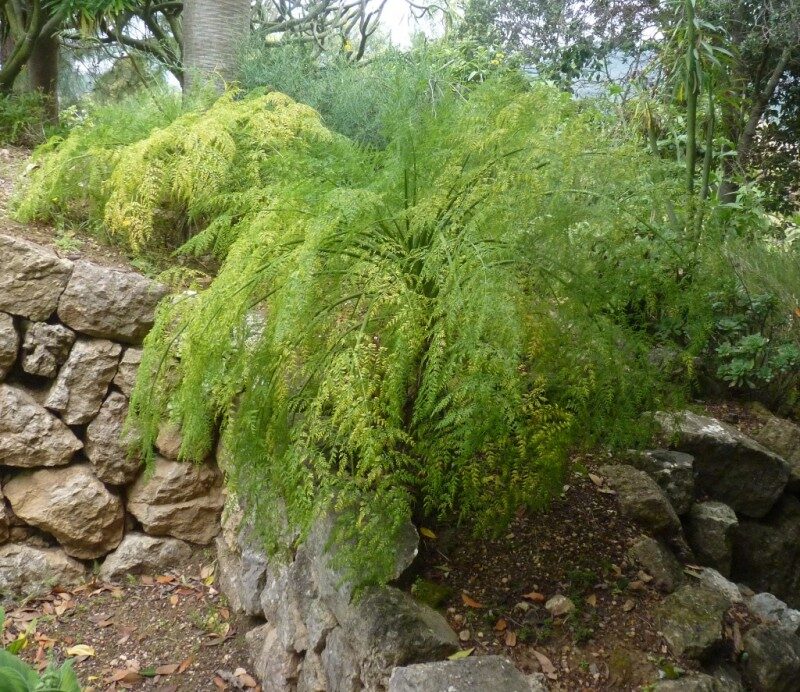
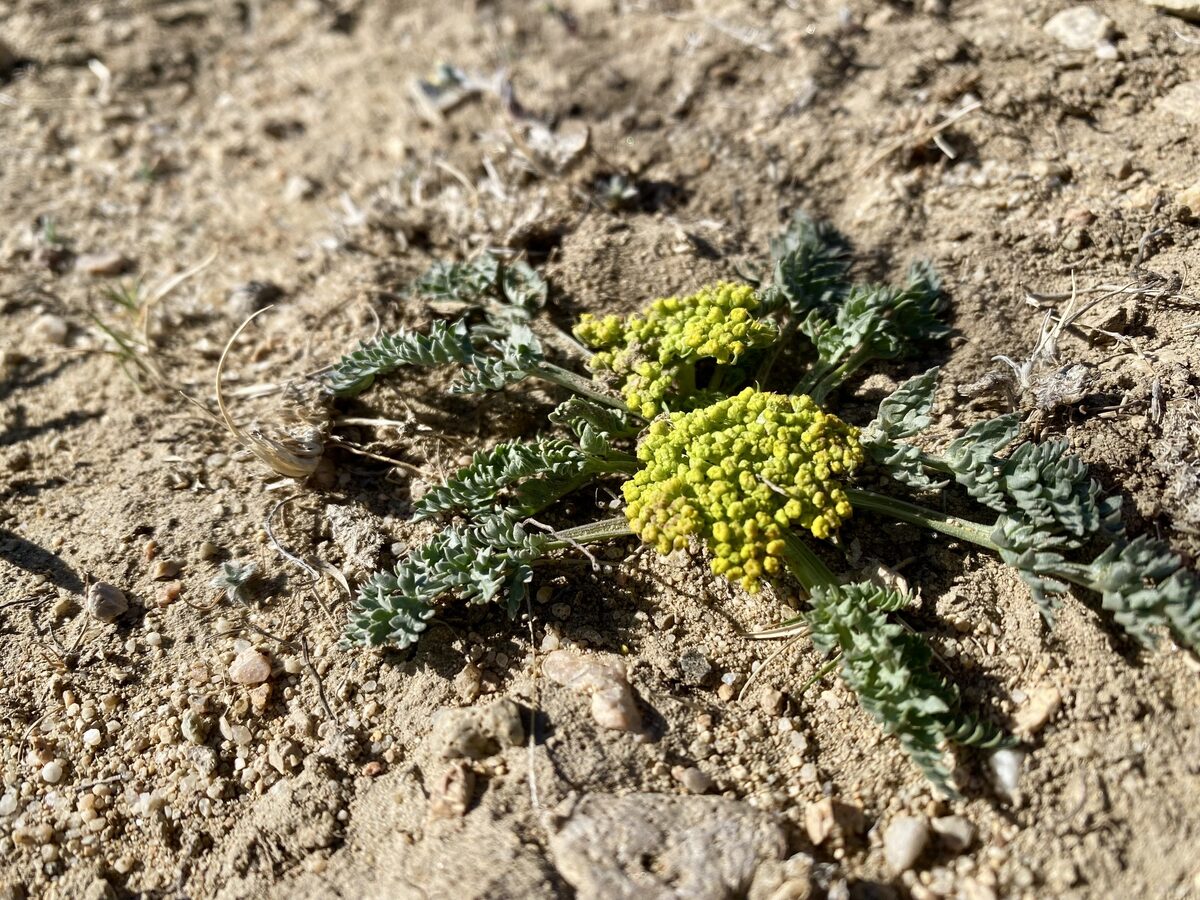
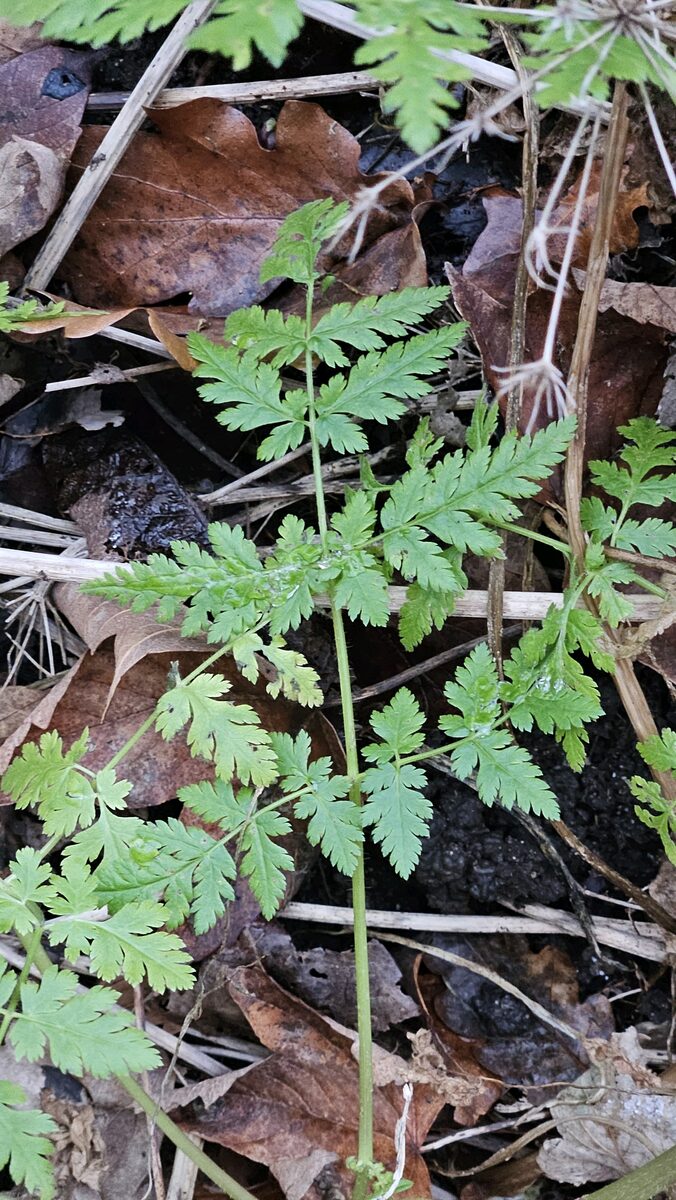
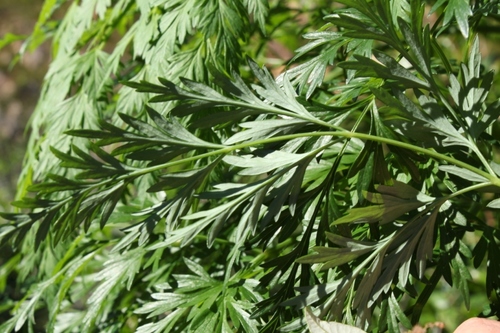
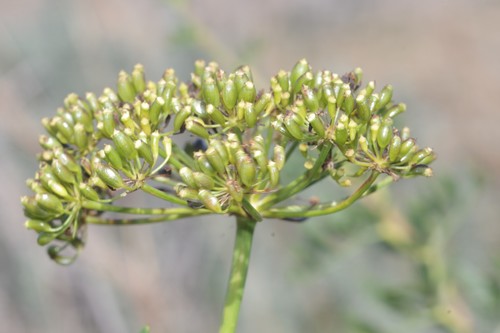
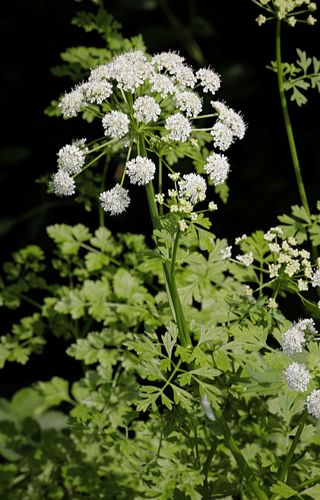
Source: WikipediaSanicula tuberosa is a species of flowering plant in the parsley family known by the common name turkey pea. It is native to western North America from Oregon through California to Baja California, where it can be found in many types of habitat, including chaparral, forests, and woodlands. It is variable in appearance. In general, it is a perennial herb producing a slender stem up to 80 centimeters long from a small, spherical tuber no more than 2 centimeters wide. The leaves are compound, divided into usually three leaflets which are smooth or deeply cut into lobes. The herbage is green to purple in color. The inflorescence is made up of one or more heads of bisexual and male-only flowers with tiny, curving, yellow petals. The fruits are 1 or 2 millimeters long and covered in bumpy tubercles.
Description
A 0.6 m tall perennial with hermaphrodite, self-fertile flowers pollinated by insects. Grows in light sandy, medium loamy, and heavy clay soils with good drainage. Tolerates mildly acidic to mildly alkaline pH. Adapts to semi-shade or full sun and prefers moist soil conditions.
Edible Uses
The small roots can be eaten raw or cooked.
Traditional Uses
The bulbs are eaten raw and are also roasted or boiled.
This uses section is brief — help expand it
Medicinal Uses
None known
Known Hazards
Although no mention has been seen for this species, the leaves of at least two other members of the genus contain saponins. Although toxic, saponins are very poorly absorbed by the body and so tend to pass through without causing harm, they are also destroyed by thorough cooking. Saponins are found in many plants, including several that are often used for food, such as certain beans. It is advisable not to eat large quantities of food that contain saponins. Saponins are much more toxic to some creatures, such as fish, and hunting tribes have traditionally put large quantities of them in streams, lakes etc in order to stupefy or kill the fish.
Distribution
It is a temperate plant.
Where It Grows
North America, USA,
Cultivation
We have very little information on this species and do not know if it will be hardy in Britain, though judging by its native range it could succeed outdoors in many parts of the country. The following notes are based on the general needs of the genus. Succeeds in any moderately fertile well-drained soil in sun or semi-shade. Strongly dislikes poor thin soils. Prefers a loamy or calcareous soil.
Propagation
No specific information is available for this species; the following notes apply to the related S. europaea. Stratification improves germination. Sow seed in autumn if possible; sow stored seed as early in the year as possible. The best results come from sowing in situ in woodland soil under trees. If seed is limited, sow in pots of woodland soil in a shady cold frame. Once seedlings are large enough to handle, prick out into individual pots and grow on in a shaded greenhouse position through their first winter, then plant out in late spring or early summer after the last frosts. Divide in spring — larger divisions can go straight into permanent positions, while smaller ones do best potted up and grown on in a lightly shaded cold frame until well established before planting out in summer.
Other Uses
None known
References (4)
- Beckstrom-Sternberg, Stephen M., and James A. Duke. "The Foodplant Database." http://probe.nalusda.gov:8300/cgi-bin/browse/foodplantdb.(ACEDB version 4.0 - data version July 1994)
- Moerman, D. F., 2010, Native American Ethnobotany. Timber Press. p 517
- Plants for a Future database, The Field, Penpol, Lostwithiel, Cornwall, PL22 0NG, UK. http://www.scs.leeds.ac.uk/pfaf/
- Stromberg, M. R. et al, California Grasslands: Ecology and Management. p 63