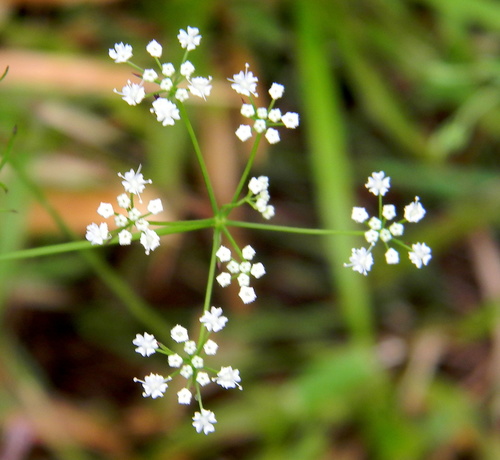
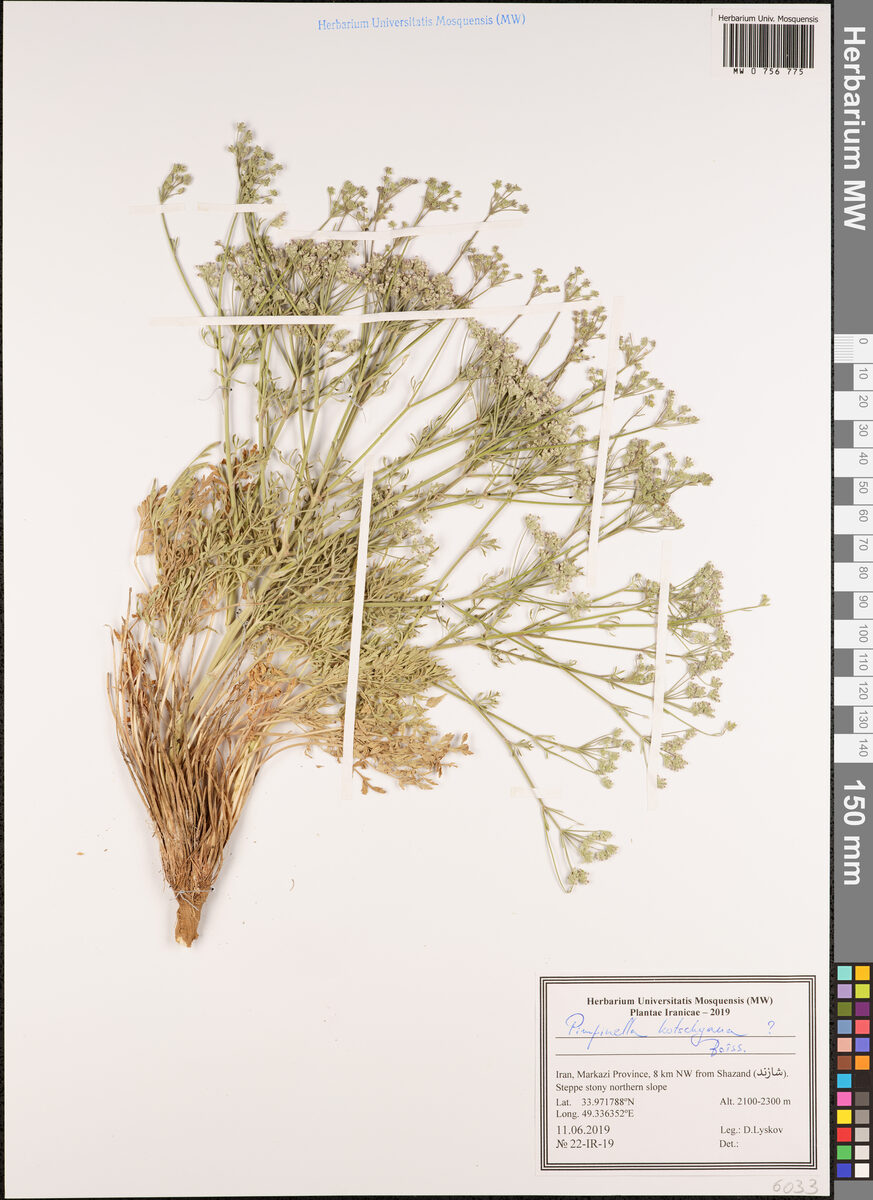
Bowlesia incana
Ruiz & Pav.
Rabbit lettuce
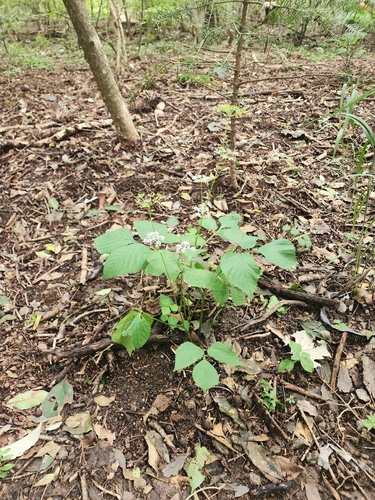
iNaturalist· cc-by-nc
(c) Carolyn Gritzmaker, some rights reserved (CC BY-NC), uploaded by Carolyn Gritzmaker
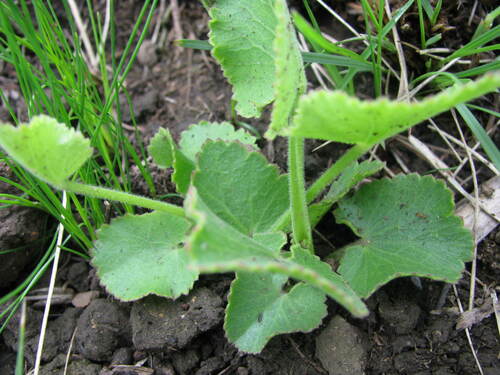
iNaturalist· cc-by
(c) Zihao Wang, some rights reserved (CC BY), uploaded by Zihao Wang
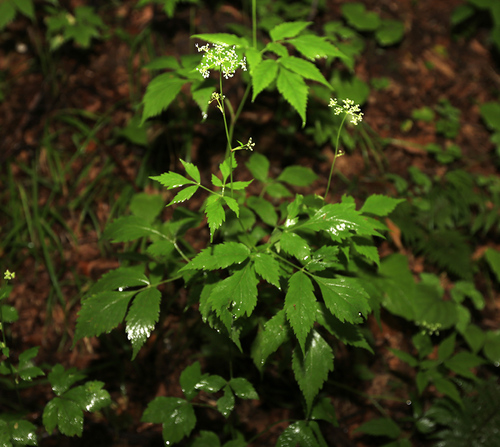
iNaturalist· cc-by
(c) Alison Northup, some rights reserved (CC BY), uploaded by Alison Northup
Description
Bowlesia incana is a ANNUAL growing to 0.3 m (1ft) by 0.5 m (1ft 8in) at a fast rate. See above for USDA hardiness. It is hardy to UK zone 9 and is not frost tender. The flowers are pollinated by Bees, Insects. It is noted for attracting wildlife. Suitable for: light (sandy) and medium (loamy) soils, prefers well-drained soil and can grow in nutritionally poor soil. Suitable pH: neutral and basic (mildly alkaline) soils and can grow in very alkaline soils. It can grow in full shade (deep woodland) or semi-shade (light woodland). It prefers dry or moist soil and can tolerate drought.
Edible Uses
The leaves and tender stems are edible fresh or cooked and serve as an aromatic seasoning or salad green. When crushed or chewed, they release a mild herbal-citrus aroma similar to cilantro but less pungent and more rounded. Dried leaves retain their fragrance and crumble easily for long-term storage. Flowers and stems can remain in the mix; they add no bitterness. Edibility rating: 4.5/5 as a seasoning, 4/5 overall—pleasant, safe, and easily gathered when young and fresh. Taste, Processing & Kitchen Notes: Fresh rabbit lettuce is mild, green, and faintly citrusy, akin to cilantro blended with parsley and arugula, but without sharpness. Dried, it takes on a slightly earthy tone that remains aromatic for months if stored in airtight containers away from light. It can be used as: A seasoning herb sprinkled on soups, beans, fish, or roasted vegetables. A fresh garnish in salads or tortillas. A dried herb substitute where fresh cilantro is unavailable. Leaves are best collected young (under 5 cm across) before flowering. Older plants may develop a stronger, sometimes resinous flavor. Drying in shade preserves color and aroma; crumble by hand for storage. Seasonality (Phenology): Rabbit lettuce germinates in winter or early spring following rainfall, emerging as soon as soil moisture permits (often January–February). Plants mature and flower rapidly, completing their life cycle by April or May as temperatures rise. In exceptionally mild winters, growth may occur earlier. Its short life cycle aligns with the desert’s cool, moist window of opportunity. Safety & Cautions (Food Use): No known toxicity. The branched hairs are soft and non-irritating. As with any wild herb, avoid collecting plants from contaminated sites (roadsides, sprayed areas). Test small amounts first if drying for seasoning, as flavor concentration varies slightly with soil chemistry. Harvest & Processing Workflow: Harvest young, leafy plants before flowering, ideally in early to mid-morning after dew evaporates. For fresh use, rinse and chop as with cilantro. For drying, hang small bundles in the shade until crisp, then crumble and store in sealed jars. The entire aerial portion—leaves, stems, and flowers—may be included in seasoning mixes. Dried leaves remain aromatic for 6–12 months if kept airtight. Look-Alikes & Confusion Risks: The parsley family has several similar desert annuals, but Bowlesia incana is unique in having simple, softly hairy leaves rather than compound ones. The combination of fuzzy texture, cilantro-like aroma, and tiny axillary umbels eliminates confusion. Other desert “false cilantros,” like Eryngium or Cymopterus, are coarser and more pungent. Traditional/Indigenous Use Summary: Native peoples of the Sonoran region reportedly used rabbit lettuce as a culinary herb and general green, sometimes dried and crumbled into stews. Its resemblance in flavor to cultivated cilantro likely led to its colloquial names “false cilantro” and “desert cilantro.” The species was also appreciated by early settlers as a fresh winter herb in an otherwise sparse desert flora.
Known Hazards
No known toxicity. The branched hairs are soft and non-irritating. As with any wild herb, avoid collecting plants from contaminated sites (roadsides, sprayed areas). Test small amounts first if drying for seasoning, as flavor concentration varies slightly with soil chemistry.
Distribution
Native to arid regions of the southwestern United States (Arizona, New Mexico, southern California, Nevada, west Texas) and northern Mexico.
Where It Grows
US. USA. Argentina Northeast, Argentina Northwest, Argentina South, Arizona, Brazil South, Brazil Southeast, California, Chile Central, Chile North, French Guiana, Mexico Northeast, Mexico Northwest, New Mexico, Paraguay, Texas, Uruguay
Cultivation
Identification & Habit: A delicate, aromatic annual herb, rabbit lettuce grows low and sprawling, with thin, brittle stems and small rounded leaves. The leaves are simple and shortly lobed, forming kidney- to fan-shaped outlines. Surfaces are densely covered with stellate (branched) hairs, giving a softly fuzzy texture that does not irritate the skin. Leaf stalks are long and slender, arising alternately or oppositely. The flowers are minute—white to pale green—borne in small, few-flowered axillary umbels typical of the parsley family, though simpler than most Apiaceae. Fruits are tiny schizocarps, weakly compressed, and hairy. The plant’s distinctive combination of simple leaves, fine hairs, and simple umbels make identification straightforward; no other desert Apiaceae shares this exact appearance. Growing Conditions: Thrives in filtered shade beneath shrubs, rocks, or trees where soil moisture lingers after winter rains. Prefers sandy to gravelly soils, slightly alkaline to neutral (pH 6.5–8.5). Requires good drainage, occasional cool-season moisture, and full to partial shade in desert climates. In cultivation, it performs best in a rock garden, desert wash, or shaded container with light winter irrigation. Sensitive to prolonged heat. Habitat & Range: Native to arid regions of the southwestern United States (Arizona, New Mexico, southern California, Nevada, west Texas) and northern Mexico. Common in Sonoran and Mojave Desert basins, rocky washes, and desert foothills. Typically found under shrubs, cacti, or small trees, especially on north-facing slopes where moisture persists longer. Size & Landscape Performance: Low-growing and ephemeral, forming loose mats 3–30 cm tall and spreading 20–50 cm wide. It self-seeds readily under mild conditions and provides early spring greenery in xeric gardens. Though not showy, it adds subtle fragrance and texture to shaded desert niches. Cultivation (Horticulture): Sow seed in late autumn or early winter so germination follows cool rains. Choose a partly shaded, well-drained location. Maintain light moisture through winter. Plants fade naturally as heat increases; allow to reseed. It can coexist with native shrubs like Ambrosia, Encelia, and Larrea in naturalized desert gardens. No fertilizer required. Pests & Problems: Few issues in the wild. In cultivation, aphids or whiteflies may appear in unusually mild, moist winters but rarely cause damage. Excessive sun or heat leads to rapid wilting and desiccation. Cultivar/Selection Notes: Only one species, Bowlesia incana, occurs in North America; no named cultivars exist. Minor variations in leaf shape and hair density reflect regional ecotypes. In the carrot family with tiny umbels and a noticeable scent. Unlike the bulrushes, this one is insect-pollinated, attracting a broad guild of small generalist pollinators: tiny bees, hoverflies, other flies, small wasps, sometimes beetles. The flowers are built for “whoever shows up,” not wind.
Propagation
By seed only. Scatter fresh seed over prepared soil in autumn; lightly rake and water. Germination occurs with cool temperatures and moisture. Seeds are tiny; avoid burying deeply. Once established, rabbit lettuce will self-sow annually if conditions permit.
Other Uses
Ecology & Wildlife: Rabbit lettuce contributes early spring forage for small herbivores and insects, offering one of the first green foods of the year in desert ecosystems. The delicate structure provides ground cover that protects soil from crusting and helps trap organic debris under shrubs. Its presence often indicates microhabitats suitable for other annuals. Though not showy, it adds subtle fragrance and texture to shaded desert niches.
Synonyms
Also Known As
Rabbit Lettuce / Hairy Bowlesia / False Cilantro / Desert Cilantro