Sambucus mexicana
C. Presl.
Mexican elderberry
iNaturalist· cc-by-nc
(c) Susan Fawcett, some rights reserved (CC BY-NC), uploaded by Susan Fawcett
iNaturalist· cc-by-nc
(c) Matthew Zlatunich, some rights reserved (CC BY-NC)
iNaturalist· cc-by-nc
(c) Matthew Zlatunich, some rights reserved (CC BY-NC)
Summary
Source: WikipediaSambucus mexicana may refer to the following North American black or blue elderberry species: Sambucus mexicana C.Presl ex DC. = Sambucus mexicana var. bipinnata Schltdl. & Cham. = Sambucus canadensis L. = Sambucus nigra L. subsp. canadensis (L.) Bolli Sambucus mexicana auct. non C.Presl ex DC. = Sambucus mexicana C.Presl ex DC. subsp. cerulea (Raf.) A.E.Murray = Sambucus cerulea Raf. = Sambucus nigra L. subsp. cerulea (Raf.) Bolli
Description
A small tree. It grows 5-6 m tall. The leaves are compound and have leaflets along the stalk. There are usually 7 leaflets. The flowers are in flat topped arrangements and 6-20 cm across. They are yellow. The fruit are berries which are deep purple when ripe. There can be flowers, green and ripe fruit on the same branch at the same time. Probably now Sambucus canadensis.
Edible Uses
Both the flowers and fruit are edible raw or cooked. The fruit, around 6mm in diameter and borne in large clusters, is usually dried before use as this reduces its somewhat rank taste. It can be used in pies, preserves, winemaking, and similar preparations. Some caution is advised regarding toxicity.
Traditional Uses
The dried fruit are used in pies, wines, syrups etc. The flower clusters are dipped in batter and fried, and sprinkled with sugar. The individual flowers can add flavour to pancakes, muffins and cakes.
Medicinal Uses
An infusion of the blossoms has been used to treat upset stomachs, fevers, sore throats, colds, and flu. A decoction of the roots has been used to treat constipation.
Known Hazards
Although no specific mention has been seen for this species, the leaves and stems of some, if not all, members of this genus are poisonous. The fruit of many species (although no records have been seen for this species) has been known to cause stomach upsets to some people. Any toxin the fruit might contain is liable to be of very low toxicity and is destroyed when the fruit is cooked.
Distribution
A tropical plant. In Guatemala it grows up to 3,000 m above sea level.
Where It Grows
Africa, Bolivia, Brazil, Central Africa, Central America*, Colombia, Congo, Cook Islands, Cuba, Ecuador, El Salvador, Europe, Fiji, Gabon, Ghana, Guatemala, Hawaii, Mali, Marquesas, Mexico, North America, Pacific, Peru, Sao Tome and Principe, South America, USA, West Africa, West Indies,
Cultivation
We have very little information on this species and do not know if it will be hardy in Britain, though judging by its native range it should succeed outdoors in many parts of this country. It is closely related to S. caerulea. The following notes are based on the general needs of the genus. Tolerates most soils, including chalk, but prefers a moist loamy soil. Grows well in heavy clay soils. Tolerates some shade but is best in a sunny position. Tolerates atmospheric pollution and coastal situations. Plants in this genus are notably resistant to honey fungus.
Propagation
Seed is best sown as soon as it is ripe in autumn in a cold frame, where it should germinate in early spring. Stored seed sown in spring will likely germinate better with 2 months warm followed by 2 months cold stratification. Prick seedlings into individual pots when large enough to handle. If growth is good, young plants can go into permanent positions in early summer; otherwise, overwinter them in a sheltered nursery bed or in pots and plant out the following spring. Cuttings of half-ripe wood, 7–10cm with a heel, can be taken in July/August in a frame. Cuttings of mature wood from the current season's growth, 15–20cm with a heel, can be taken in late autumn in a frame or sheltered outdoor bed.
Other Uses
A purple to black dye can be obtained from the fruits, and an orange to yellow dye from the stems. The wood is soft and coarse-grained.
Notes
There are about 25 Sambucus species. Also put in the family Sambucaceae and Caprifoliaceae
Dangerous Lookalikes
This plant can be confused with the following toxic species. Always verify identification carefully before consuming any wild plant.
Pokeweed
Phytolacca americana
Jakec
Mexican elderberry
Sambucus mexicana
(c) Susan Fawcett, some rights reserved (CC BY-NC), uploaded by Susan Fawcett
Pokeweed: Thick red/purple herbaceous stems (no bark), berries in a line (raceme), simple large leaves, large white taproot.
Mexican elderberry: Woody bark, berries in broad flat clusters (cymes), compound leaves with 5-7 leaflets.
Synonyms
Also Known As
Sauco, Sauco blanco
References (16)
- Beckstrom-Sternberg, Stephen M., and James A. Duke. "The Foodplant Database." http://probe.nalusda.gov:8300/cgi-bin/browse/foodplantdb.(ACEDB version 4.0 - data version July 1994)
- Burkill, H. M., 1985, The useful plants of west tropical Africa, Vol. 5. Kew.
- de Polle, E., Plantas Silvestres Comestible de Guatemala. 1(1) Universidad de San Carlos de Guatemala.
- Desert Survivors Online Plant Database
- Elias, T.S. & Dykeman P.A., 1990, Edible Wild Plants. A North American Field guide. Sterling, New York p 190
Show all 16 references Hide references
- Facciola, S., 1998, Cornucopia 2: a Source Book of Edible Plants. Kampong Publications, p 223
- Flowerdew, B., 2000, Complete Fruit Book. Kyle Cathie Ltd., London. p 178
- Franklin, J., Keppel, G., & Whistler, W., 2008, The vegetation and flora of Lakeba, Nayau and Aiwa Islands, Central Lau Group, Fiji. Micronesica 40(1/2): 169–225, 2008
- Hanelt, P. et al, (Eds.), 2001, Mansfield's encyclopedia of agricultural and horticultural crops. p 1698
- Hedrick, U.P., 1919, (Ed.), Sturtevant's edible plants of the world. p 592
- Miguel, E., et al, 1989, A checklist of the cultivated plants of Cuba. Kulturpflanze 37. 1989, 211-357
- non Sambucus mexicana C. Presl ex DC. (= Sambucus canadensis L.)
- Plants for a Future database, The Field, Penpol, Lostwithiel, Cornwall, PL22 0NG, UK. http://www.scs.leeds.ac.uk/pfaf/
- Staples, G.W. and Herbst, D.R., 2005, A tropical Garden Flora. Bishop Museum Press, Honolulu, Hawaii. p 222
- Uphof,
- http://cookislands.bishopmuseum.org
More from Adoxaceae
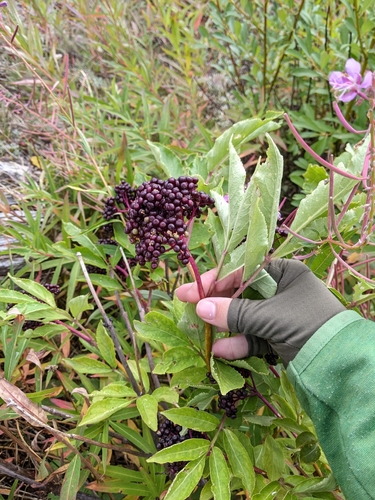
Sambucus melanocarpa
Black berried elder, Black elder, Blackbead elderberry
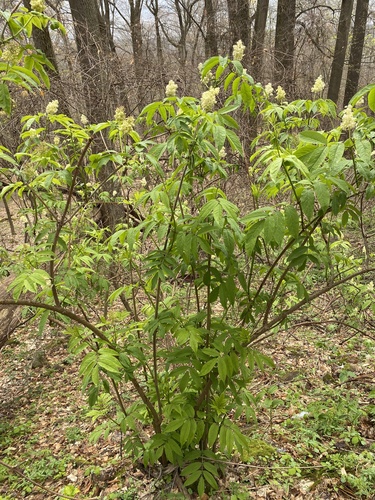
Sambucus microbotrys
Red elder, European Red Elderberry

Sambucus nigra
European Elderberry, Black Elder
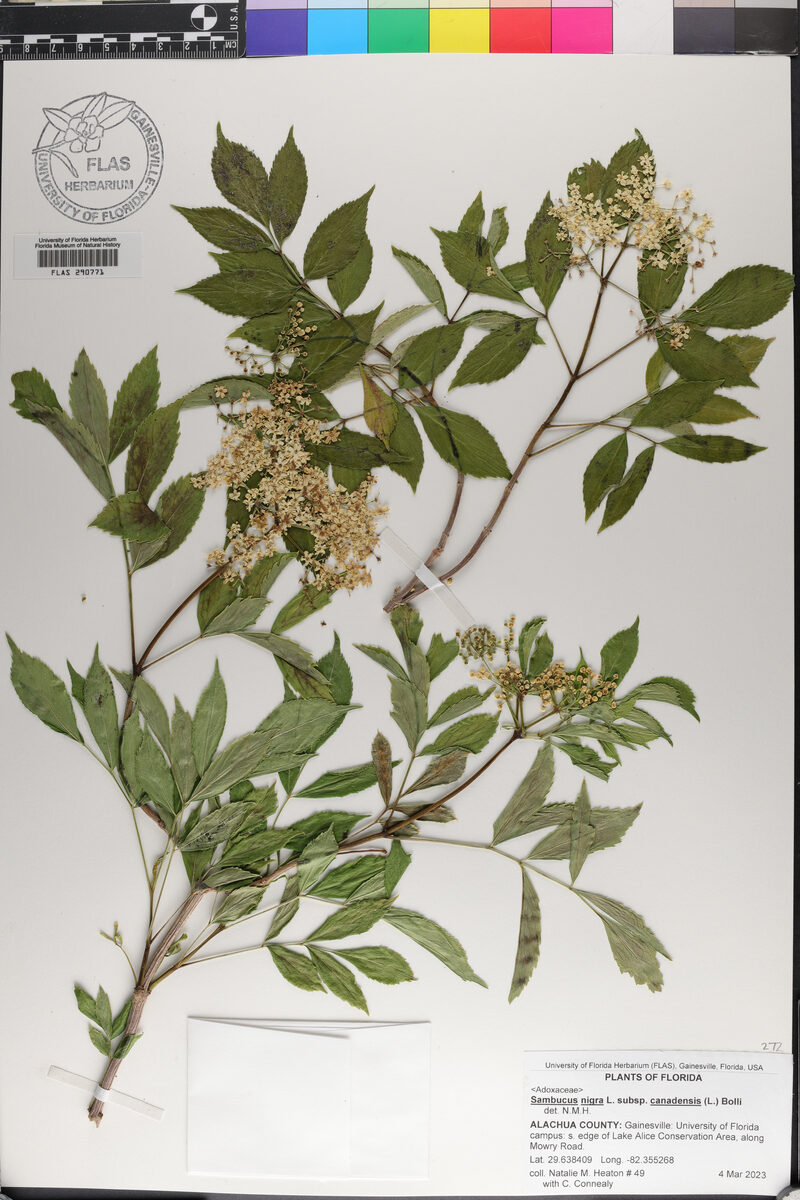
Sambucus nigra subsp. canadensis
Canadian elderberry
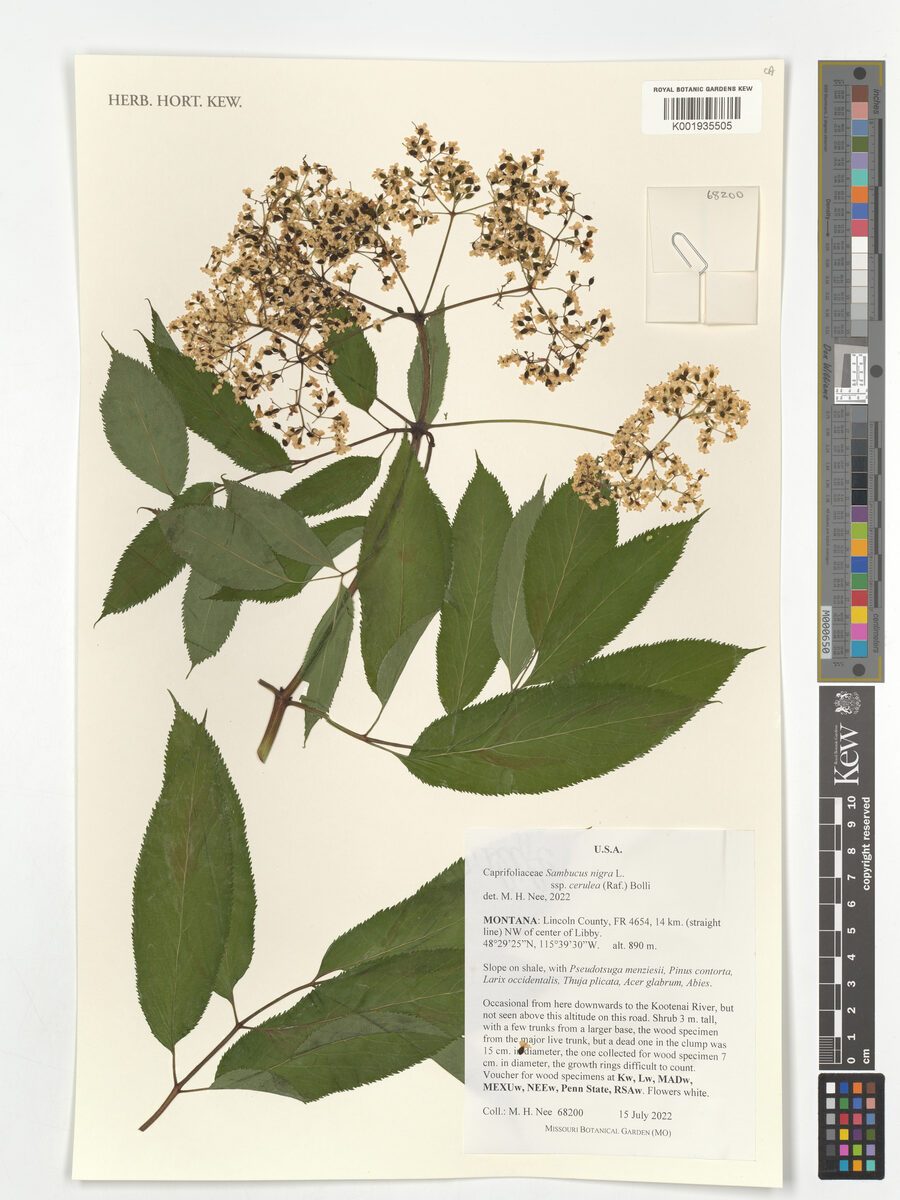
Sambucus nigra subsp. cerulea
Blue black elder
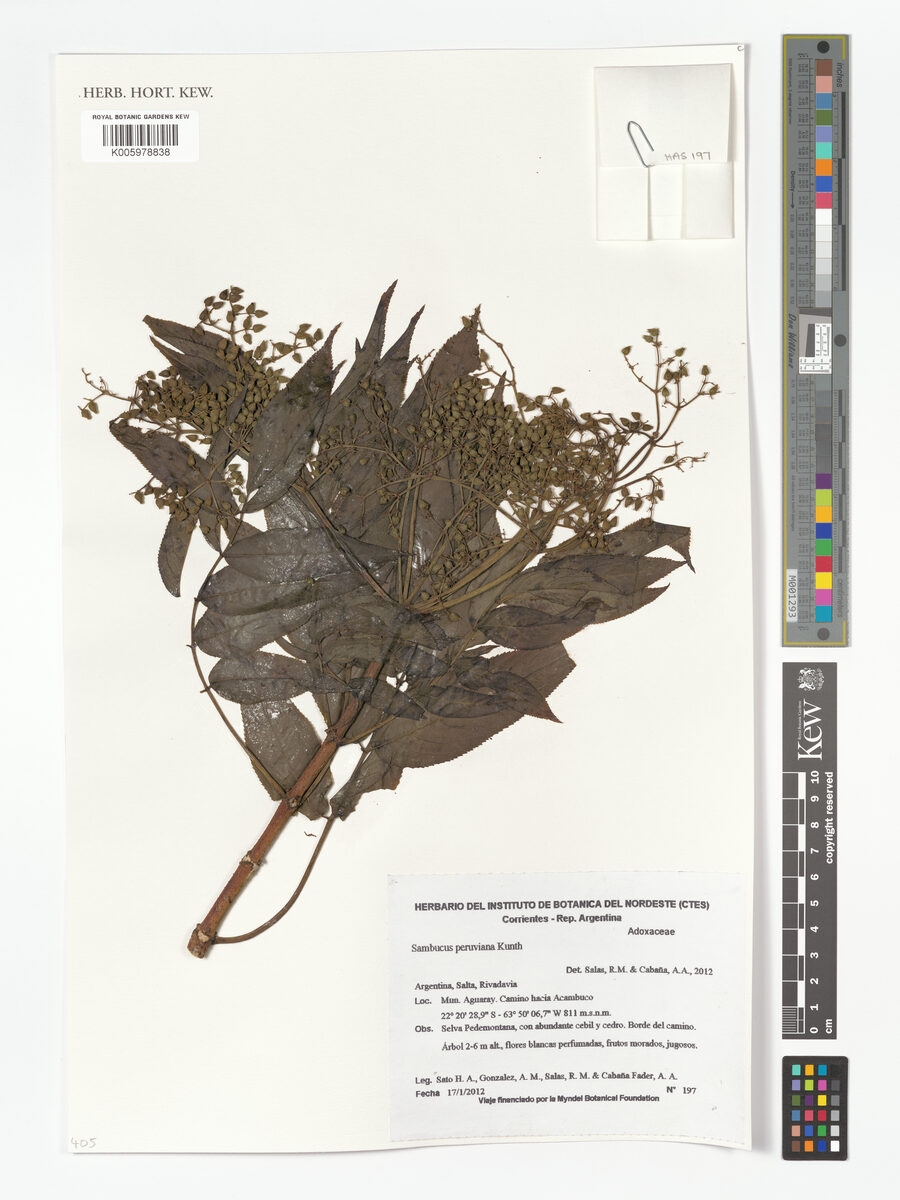
Sambucus nigra subsp. peruviana
Peruvian elderberry, Peru black elder