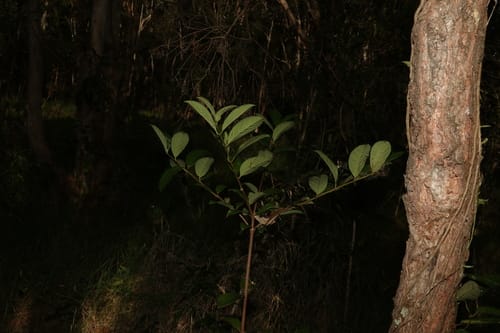
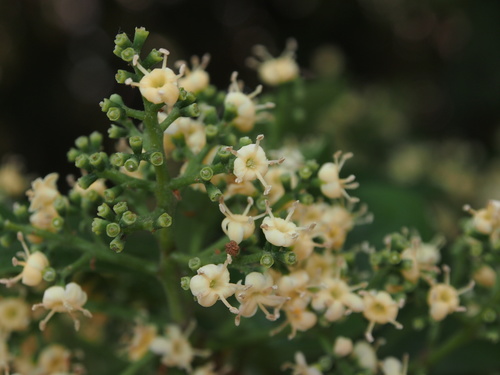
Sambucus latipinna
Nakai
iNaturalist· cc-by-nc
(c) Екатерина Евлаш, some rights reserved (CC BY-NC)
iNaturalist· cc-by-nc
(c) nautilusf, some rights reserved (CC BY-NC)
iNaturalist· cc-by-nc
(c) nautilusf, some rights reserved (CC BY-NC)
Summary
Deciduous shrub with hermaphrodite flowers pollinated by insects. Grows in light sandy, medium loamy, or heavy clay soils across mildly acid to basic pH ranges. Tolerates semi-shade or full sun and prefers moist conditions. Hardy to strong winds but not salt spray, and tolerant of air pollution.
Description
Deciduous shrub with hermaphrodite flowers pollinated by insects. Grows in light sandy, medium loamy, or heavy clay soils across mildly acid to basic pH ranges. Tolerates semi-shade or full sun and prefers moist conditions. Hardy to strong winds but not salt spray, and tolerant of air pollution.
Edible Uses
Young leaves can be cooked, though it is considered unwise to eat leaves of this species given the toxicity notes.
Traditional Uses
The leaves are cooked and eaten. Caution: There are reports they are poisonous.
This uses section is brief — help expand it
Medicinal Uses
None known
Known Hazards
Although no specific mention has been seen for this species, the leaves and stems of some, if not all, members of this genus are poisonous. The fruit of many species (although no records have been seen for this species) has been known to cause stomach upsets to some people. Any toxin the fruit might contain is liable to be of very low toxicity and is destroyed when the fruit is cooked.
Distribution
It is a temperate plant.
Where It Grows
Asia, Korea, Japan,
Cultivation
We have very little information on this species and do not know if it will be hardy in Britain, though judging by its native range it could succeed outdoors in many parts of this country. The following notes are based on the general needs of the genus. Tolerates most soils, including chalk, but prefers a moist loamy soil. Grows well in heavy clay soils. Tolerates some shade but is best in a sunny position. Tolerates atmospheric pollution and coastal situations. We have very little details about this plant, basically just one record about its supposed edibility. It has been supposed that the plant is a shrub, though it is quite possibly a herbaceous perennial. Plants in this genus are notably resistant to honey fungus.
Propagation
Seed is best sown as soon as ripe in autumn in a cold frame, where it should germinate in early spring. Stored seed sown in spring will germinate more reliably after 2 months of warm followed by 2 months of cold stratification. Prick seedlings into individual pots when large enough; if growth is strong, plant out in early summer, otherwise hold in a sheltered nursery bed or pots and plant out the following spring. Division can be carried out in spring or autumn.
Other Uses
None known
Notes
There are about 25 Sambucus species. Also put in the family Sambucaceae. An unresolved name.
Dangerous Lookalikes
This plant can be confused with the following toxic species. Always verify identification carefully before consuming any wild plant.
Pokeweed
Phytolacca americana
Jakec
Sambucus latipinna
Sambucus latipinna
(c) Екатерина Евлаш, some rights reserved (CC BY-NC)
Pokeweed: Thick red/purple herbaceous stems (no bark), berries in a line (raceme), simple large leaves, large white taproot.
Sambucus latipinna: Woody bark, berries in broad flat clusters (cymes), compound leaves with 5-7 leaflets.
References (2)
- Bot. Mag. (Tokyo) 30:290. 1916
- Plants for a Future database, The Field, Penpol, Lostwithiel, Cornwall, PL22 0NG, UK. http://www.scs.leeds.ac.uk/pfaf/
More from Adoxaceae
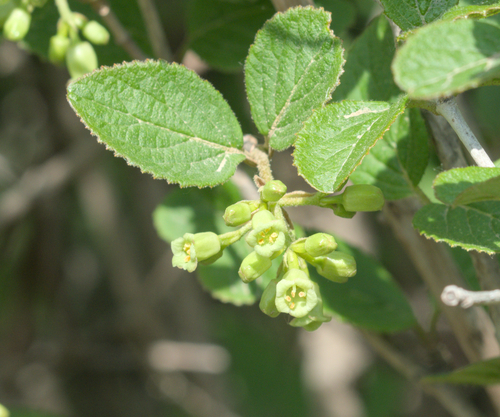
Viburnum mongolicum
Mongolian viburnum, Mongolian whiterod
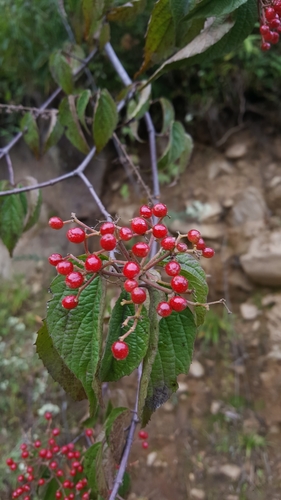
Viburnum mullaha
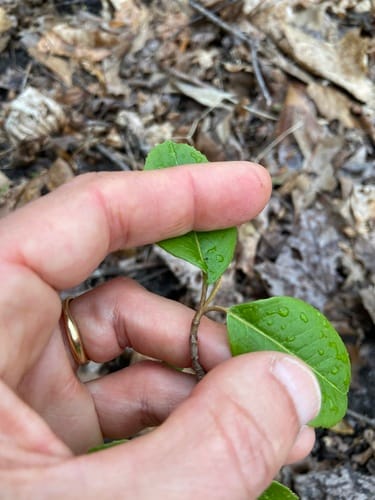
Viburnum nudum
Smooth withe rod, Naked Viburnum, Possum-haw
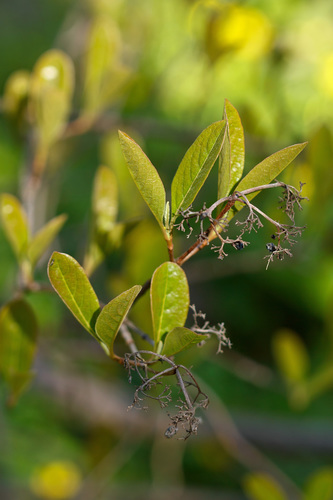
Viburnum nudum var. cassinoides
Possum-haw
Viburnum odoratissimum
Sweet Arrowwood, Sweet Viburnum, Coral tree
Viburnum odoratissimum var. awabuki
Awabuki sweet viburnum