Araucaria bidwillii
Hook.
Bunya pine
iNaturalist· cc-by-sa
(c) Tatters ✾, some rights reserved (CC BY-SA)
iNaturalist· cc-by
(c) S. Rae, some rights reserved (CC BY)
iNaturalist· cc-by-nc
(c) Jack Morgan, some rights reserved (CC BY-NC), uploaded by Jack Morgan
Summary
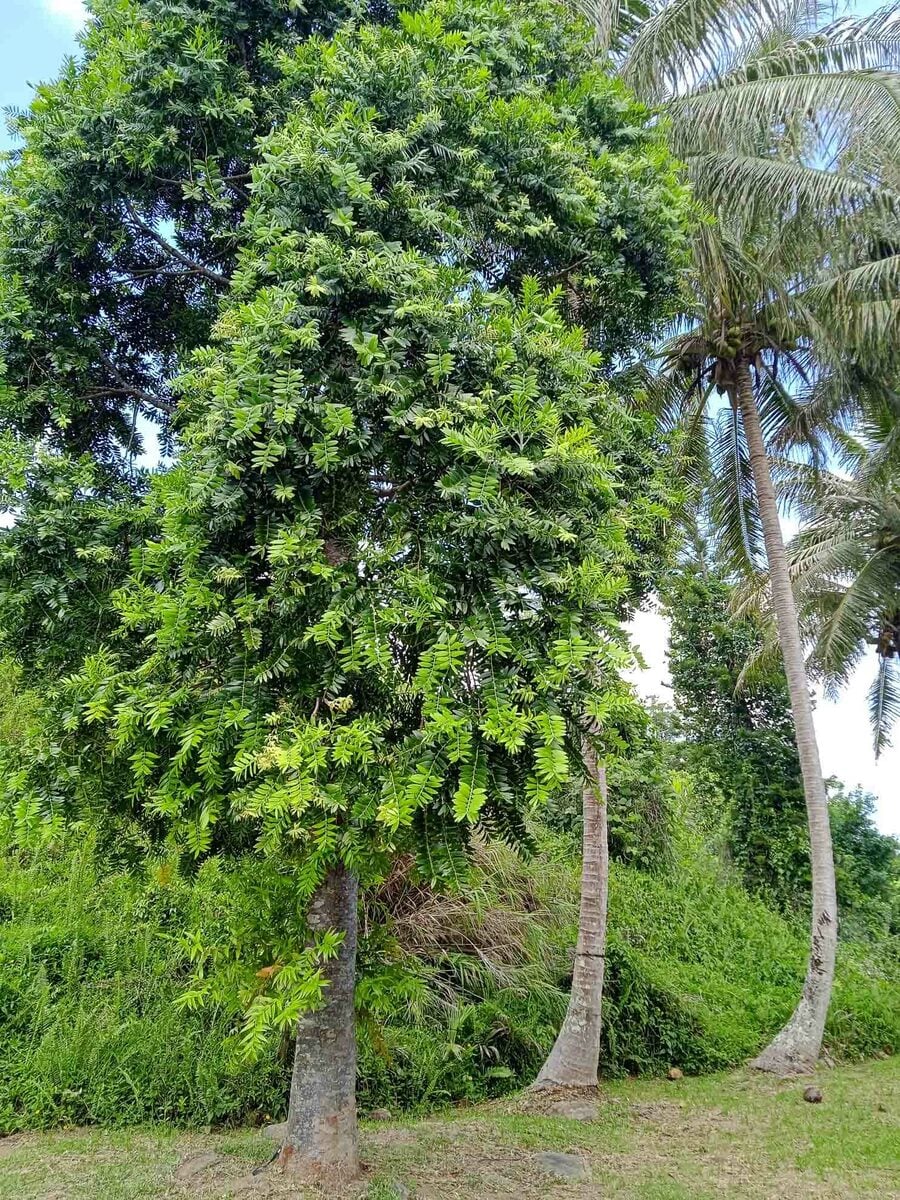
Source: WikipediaAraucaria bidwillii, commonly known as the bunya pine (), banya or bunya-bunya, is a large evergreen coniferous tree in the family Araucariaceae which is endemic to Australia. Its natural range is southeast Queensland with two very small, disjunct populations in northeast Queensland's World Heritage listed Wet Tropics. There are many planted specimens on the Atherton Tableland, in New South Wales, and around the Perth metropolitan area, and it has also been widely planted in other parts of the world. They are very tall trees – the tallest living individual is in Bunya Mountains National Park and was reported by Robert Van Pelt in January 2003 to be 51.5 m (169 ft) in height.
Description
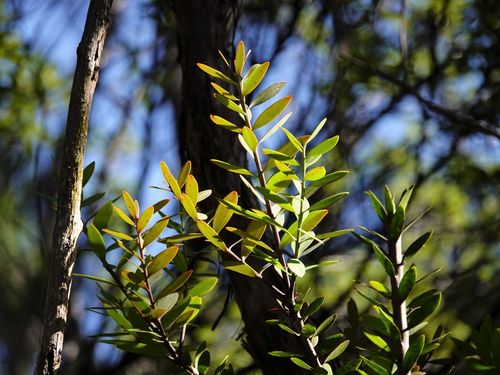
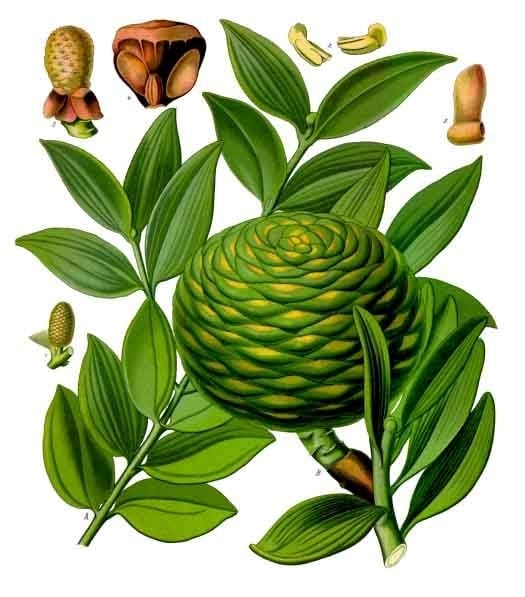
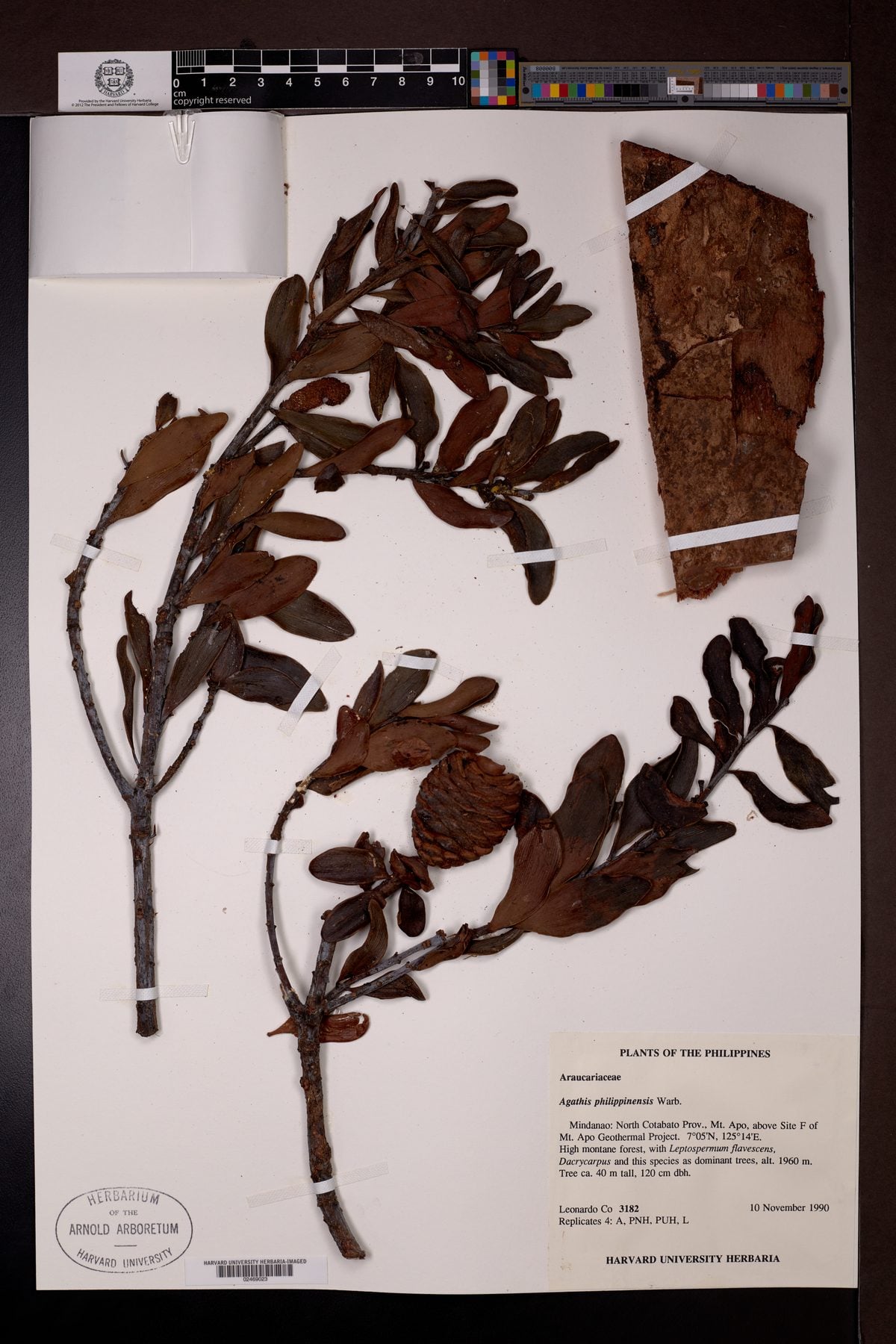
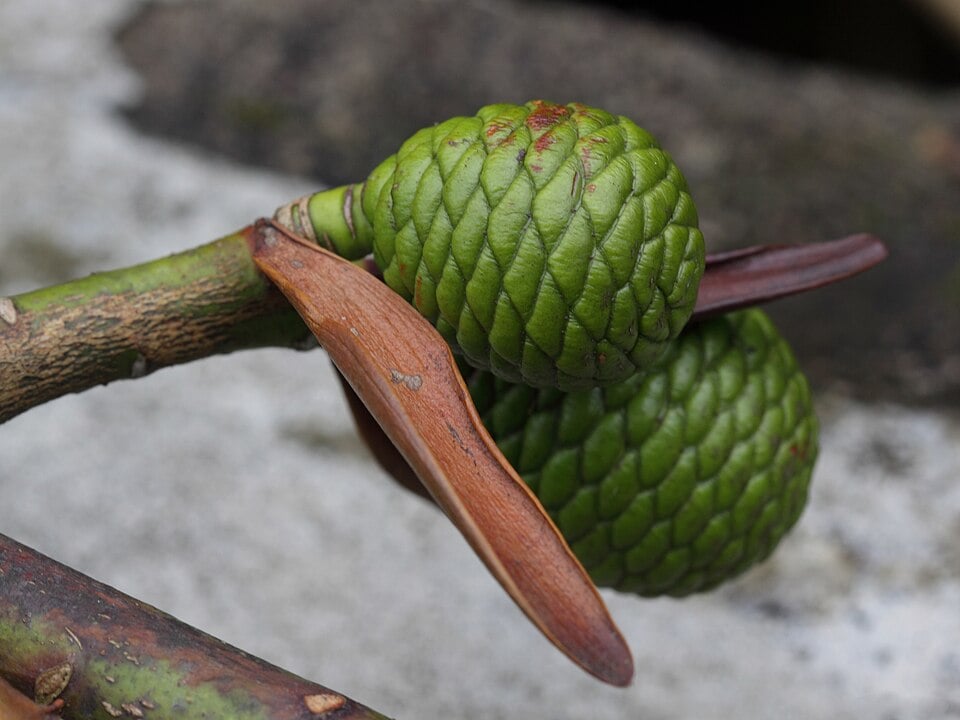
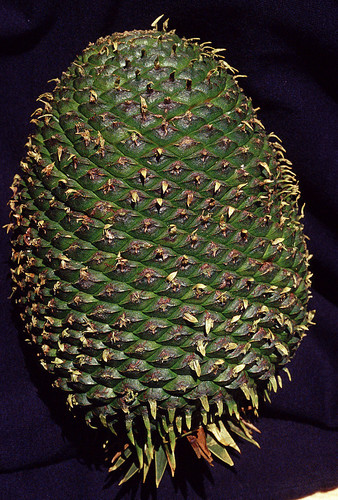
A large tree. It can be 50 m high. They spread to 10-20 m across. The branches radiate out in a symmetrical fashion. The lowest branches droop towards the ground. The leaves are simple and 2-6 cm long by 0.5-1.5 cm wide. They do not have leaf stalks. The leaves are oval and leathery. They are spiny at the tip. The fruit are large seed cones. They are up to 20-30 cm long by 15-20 cm wide and occur at the ends of twigs. These contain numerous seeds which are up to 5 cm long. The seeds are edible.
Edible Uses
Edible Parts: Seed Edible Uses: Seed - raw, cooked or ground into a powder. Starchy and delicious, it has the texture of a waxy boiled potato with the flavour of chestnuts. Large, it is an important food source for the Australian Aborigines. Cones can be up to 4.5 kilos in weight and contain up to 150 seeds. The germinating seed produces an underground 'earth nut' which has a coconut-like flavour.
Traditional Uses
The seeds are roasted and eaten. The germinating seed produces an underground earth nut that has a coconut flavour and is eaten.
This uses section is brief — help expand it
Medicinal Uses
None known
Known Hazards
The cones of the bunya pine are some of the largest produced by the conifer family. The cones—which can grow to as much as 35 centimetres (14 in) in diameter when mature, and weigh up to 10 kilograms (22 lb)—can drop on unsuspecting passersby from heights of 40 metres (130 ft) or more. The falling cones are capable of causing severe injuries. Caution is also advised when parking under these trees as the falling cones can damage vehicles.
Distribution
It is a subtropical plant. It is native to Queensland, Australia. They grow naturally in rainforest in Queensland, Australia. They can grow in tropical, subtropical and temperate regions. It suits humid locations. They need a moist well drained soil. In Nepal they grow at 1200-1300 m altitude. It cannot tolerate frost. It suits hardiness zones 9-11. Arboretum Tasmania. In Adelaide Botanical Gardens. Hobart Botanical Gardens. Launceston City Park. In Yunnan. National Arboretum Canberra.
Where It Grows
Africa, Asia, Australia*, Central America, China, East Africa, Europe, Fiji, Guatemala, Himalayas, India, Indonesia, Myanmar, Nepal, Pacific, SE Asia, Southern Africa, Tasmania, USA, Zimbabwe,
Cultivation
Succeeds in most soils. Plants are resistant to salt spray. Not very hardy outdoors in Britain, it requires a cool greenhouse in most parts of the country. Some provenances should be hardy at least in the milder areas, there is one tree growing in Cornwall at Glendurgan gardens. It was 10 metres tall in 1965. This species is hardy to about -5°c, with occasional lows to -8°c, but it is liable to be killed in severe winters even in the Scilly Isles. In Australia, each Aboriginal family would own a group of trees and these would be passed down from generation to generation. This is said to be the only case of hereditary personal property owned by the Aborigines.
Propagation
Seed - best sown as soon as it is ripe in a greenhouse or it can be stored cool and moist then sown February in a greenhouse. The seed usually germinates in 1 - 2 months at 15°c. As soon as they are large enough to handle, prick the seedlings out into individual pots. The plants have a rather sparse root system and are best placed in their final positions as soon as possible. Give them some protection from the cold for at least their first winter.
Other Uses
Wood Wood - soft, easily worked, high quality. Used for cabinet making, flooring, plywood etc. The branches are used for fencing and fuel. Special Uses Carbon Farming
Production
Plants are slow growing. A cone can weigh 4 kg.
Other Information
The fruit are popular in aboriginal communities.
Notes
There are 19 Araucaria species. There are 13 species in New Caledonia.
Nutrition
| Part | Moisture | kJ | kcal | Protein | Vit A | Vit C | Iron | Zinc |
|---|---|---|---|---|---|---|---|---|
| Seed | 43.9 | 856 | 205 | 11 | — | — | 2.1 | 0.7 |
Synonyms
Also Known As
Bunya-bunya, Kanre salla, Padetha-tinyu, Pohon arukaria bunya, Queensland pine
References (61)
- Alice, L. & O'Quinn, T., Australian Bush Superfoods. Explore Australia p 34
- Ambasta S.P. (Ed.), 2000, The Useful Plants of India. CSIR India. p 49
- Barwick, M., 2004, Tropical and Subtropical Trees. A Worldwide Encyclopedic Guide. Thames and Hudson p 30
- Bircher, A. G. & Bircher, W. H., 2000, Encyclopedia of Fruit Trees and Edible Flowering Plants in Egypt and the Subtropics. AUC Press. p 37
- Blomberry, A.M., 1979, Australian Native Plants. Angus and Robertson p 208
Show all 61 references Hide references
- Bodkin, F., 1991, Encyclopedia Botanica. Cornstalk publishing, p 94
- Bonney, N., 1997, Economic Native Trees and Shrubs for South Australia. Greening Australia (SA) inc. Campbelltown SA 5074 p 168
- Brickell, C. (Ed.), 1999, The Royal Horticultural Society A-Z Encyclopedia of Garden Plants. Convent Garden Books. p 130
- Cherikoff V. & Isaacs, J., The Bush Food Handbook. How to gather, grow, process and cook Australian Wild Foods. Ti Tree Press, Australia p 53f, 198
- Ciesla, W.M., 1998, Non-wood forest products from conifers. Non-wood forest products 12, FAO, Rome, p 81
- Cooper W & Cooper W T, 1994, Fruits of the Rain Forest. RD Press p 36
- Cooper, W. and Cooper, W., 2004, Fruits of the Australian Tropical Rainforest. Nokomis Editions, Victoria, Australia. p 5
- Cribb, A.B. & J.W., 1976, Wild Food in Australia, Fontana. p 79
- Cundall, P., (ed.), 2004, Gardening Australia: flora: the gardener's bible. ABC Books. p 171
- Dharani, N., 2002, Field Guide to common Trees & Shrubs of East Africa. Struik. p 51
- Elliot, W.R., & Jones, D.L., 1982, Encyclopedia of Australian Plants suitable for cultivation. Vol 2. Lothian. p 219
- Etherington, K., & Imwold, D., (Eds), 2001, Botanica's Trees & Shrubs. The illustrated A-Z of over 8500 trees and shrubs. Random House, Australia. p 98
- Facciola, S., 1998, Cornucopia 2: a Source Book of Edible Plants. Kampong Publications, p 26
- Fu Liguo, Li Nan; Robert R. Mill, ARAUCARIACEAE, Flora of China
- Glowinski, L., 1999, The Complete Book of Fruit Growing in Australia. Lothian. p 128
- Greig, D., 1996, Flowering Natives for Home Gardens. Angus & Robertson. p 55
- Hardwick, G., 2001, Economically Useful Plants for Northern Australia: Master Species List. Crusader eBooks.
- Haslam, S., 2004, Noosa's Native Plants. Noosa Integrated Catchment Assn. Inc. p 324
- Hedrick, U.P., 1919, (Ed.), Sturtevant's edible plants of the world. p 66
- Holliday, I., 1989, A Field Guide to Australian Trees. Hamlyn. p 56
- Isaacs, J., 1987, Bush Food, Aboriginal Food and Herbal Medicine. Weldons. p 86
- Jones D, L, 1986, Ornamental Rainforest Plants in Australia, Reed Books, p 191
- Lamberton, K (Ed.), 2004, The Australian gardening encyclodepia. Murdoch Books, NSW Australia. p 173
- Lazarides, M. & Hince, B., 1993, Handbook of Economic Plants of Australia, CSIRO. p 23
- Lim, T. K., 2015, Edible Medicinal and Non Medicinal Plants. Volume 9, Modified Stems, Roots, Bulbs. Springer p 11
- London J. Bot. 2:503, t. 18-19. 1843 "bidwilli"
- Lord, E.E., & Willis, J.H., 1999, Shrubs and Trees for Australian gardens. Lothian. p 77
- Low, T., 1991, Wild Food Plants of Australia. Australian Nature FieldGuide, Angus & Robertson. p 95
- Low, T., 1992, Bush Tucker. Australia’s Wild Food Harvest. Angus & Robertson. p 85, 94
- Lyle, S., 2006, Discovering fruit and nuts. Land Links. p 73
- Maiden, J. H., 1889, The Useful Native Plants of Australia (including Tasmania). The Technology Museum of NSW, Sydney. p 7
- Manandhar, N.P., 2002, Plants and People of Nepal. Timber Press. Portland, Oregon. p 93
- Menninger, E.A., 1977, Edible Nuts of the World. Horticultural Books. Florida p 157
- Molyneux, B & Forrester, S., 1997, The Austraflora A-Z of Australian Plants. Reed. p 45
- Morley, B.D., & Toelken, H.R., (Eds), 1983, Flowering Plants in Australia. Rigby. p 29
- Nicholson, N & H., 1996, Australian Rainforest Plants 2, Terania Rainforest Publishing. NSW. p 8, 73
- Phillips, R. & Rix, M., 2002, The Botanical Garden Vol. 1. Trees and Shrubs. MacMillan. p 19
- Plants for a Future database, The Field, Penpol, Lostwithiel, Cornwall, PL22 0NG, UK. http://www.scs.leeds.ac.uk/pfaf/
- Price, S.H. & J.L., Wild Food, Medicine and useful plants of the Wet tropics. Kwik Kopy, Cairns. p 5
- Recher, P, 2001, Fruit Spirit Botanical Gardens Plant Index. www.nrg.com.au/~recher/ seedlist.html p 1
- Robins, J., 1996, Wild Lime. Cooking from the Bush food garden. Allen & Unwin p 103
- Ryan, M. (Ed.), 2003, Wild Plants of Greater Brisbane. Queensland Museum. p 325
- Ryan, S., 2008, Dicksonia. Rare Plants Manual. Hyland House. p 64
- Schuler, S., (Ed.), 1977, Simon & Schuster's Guide to Trees. Simon & Schuster. No. 8
- Smith, A.C., 1979, Flora Vitiensis Nova, Lawaii, Kuai, Hawaii, Volume 1 p 109
- Smith, K & I., 1999, Grow your own bushfoods. New Holland. Australia. p 89
- Staples, G.W. and Herbst, D.R., 2005, A tropical Garden Flora. Bishop Museum Press, Honolulu, Hawaii. p 58
- Sukarya, D. G., (Ed.) 2013, 3,500 Plant Species of the Botanic Gardens of Indonesia. LIPI p 133
- Townsend, K., 1994, Across the Top. Gardening with Australian Plants in the tropics. Society for Growing Australian Plants, Townsville Branch Inc. p 83
- Ulian, T., et al, 2020, Unlocking plant resources to support food security and promote sustainable agriculture. Plants, People, Planet. 2020;2:421–445.
- Wickens, G.E., 1995, Edible Nuts. FAO Non-wood forest products. FAO, Rome. p173
- Wiersema, J. H. & Leon, B., 2013, World Economic Plants. A Standard Reference CRC Press. 2nd Ed. p 63
- Williams, J.B., Harden, G.J., and McDonald, W.J.F., 1984, Trees and shrubs in rainforests of New South Wales and Southern Queensland. Univ. of New England, Armidale. p 18
- World Checklist of Useful Plant Species 2020. Royal Botanic Gardens, Kew
- www.ceres.org/au/bushfood catalogue
- www.worldagroforestrycentre.org/treedb/