Arabis hirsuta
(L.) Scop.
Ying mao nan jie
iNaturalist· cc-by-nc
(c) josefwirth, some rights reserved (CC BY-NC), uploaded by josefwirth
iNaturalist· cc-by
(c) Nuuuuuuuuuuul, some rights reserved (CC BY)
iNaturalist· cc-by-nc
(c) Jakob Fahr, some rights reserved (CC BY-NC), uploaded by Jakob Fahr
Summary
Source: WikipediaArabis hirsuta, known as hairy rock-cress, is a flowering plant in the family Brassicaceae. In previous North American works, this species has been broadly defined to include plants native to Europe, Asia, and the northern half of North America, but is now more often restricted to a narrower subgroup restricted to Europe. Arabis hirsuta grows to heights of up to around 75 centimetres (30 in) and is usually unbranched, with a long spike of flowers. Lower leaves form a rosette, the stalkless upper-leaves clasp the stem. The white petals are twice as long as the sepals, flowers June–August. The fruits are cylindrical and pressed close to the stem and the slightly winged seeds are reddish brown. It features hairs, which are stiff and forking. The species grows on chalk slopes, dunes, hedgebanks, walls and rocks. The conservation status of Arabis hirsuta, in the UK, is marked as "least concern" as of 2021.
Description
A cabbage family herb. It grows up to 80 cm tall. The stems are erect and branch higher up. The leaves at the base are in a ring. They can be spoon shaped or oblong. The leaves on the stem do not have leaf stalks. They are 2-5 cm long by 1-2 cm wide.
Edible Uses
Edible Parts: Leaves Edible Uses: Young leaves - cooked.
Traditional Uses
The leaves are eaten raw and also cooked.
This uses section is brief — help expand it
Medicinal Uses
None known
Distribution
A temperate plant. It grows in meadows, grassy slopes, roadsides, mixed forests between 300–4000 m altitude in China.
Where It Grows
Albania, Australia, Britain, Central Asia, China, Europe, Italy, Japan, Kazakhstan, Korea, Mediterranean, Russia, Sicily, Slovenia, N Africa, SW Asia, North America, USA,
Propagation
Seed - it is best to surface sow the seed as soon as it is ripe in a light position in a cold frame. Seed can also be sown in spring. It usually germinates in 2 - 3 weeks at 21°c. When large enough to handle, prick the seedlings out into individual pots and plant them out in the summer. Division after flowering. Very easy, the divisions can be planted out straight into their permanent positions if required. Cuttings in a shady border in summer.
Other Uses
None known Special Uses
Notes
There are about 120 Arabis species. They are temperate plants.
Synonyms
Also Known As
Dlakavi repnjak, Razzi
References (6)
- Fl. carniol. ed. 2, 2:30. 1772
- Flora of China @ efloras.org Volume 8
- Geraci, A., et al, 2018, The wild taxa utilized as vegetables in Sicily (Italy): a traditional component of the Mediterranean diet. Journal of Ethnobiology and Ethnomedicine (2018) 14:14
- Pasta, S., et al, 2020, An Updated Checklist of the Sicilian Native Edible Plants: Preserving the Traditional Ecological Knowledge of Century-Old Agro-Pastoral Landscapes. Frontiers in Plant Science. Volume 11|Article 388
- Plants for a Future database, The Field, Penpol, Lostwithiel, Cornwall, PL22 0NG, UK. http://www.scs.leeds.ac.uk/pfaf/
Show all 6 references Hide references
- Zhou Taiyan, Lu Lianli, Yang Guang; Ihsan A. Al-Shehbaz, BRASSICACEAE (CRUCIFERAE), Flora of China.
More from Brassicaceae
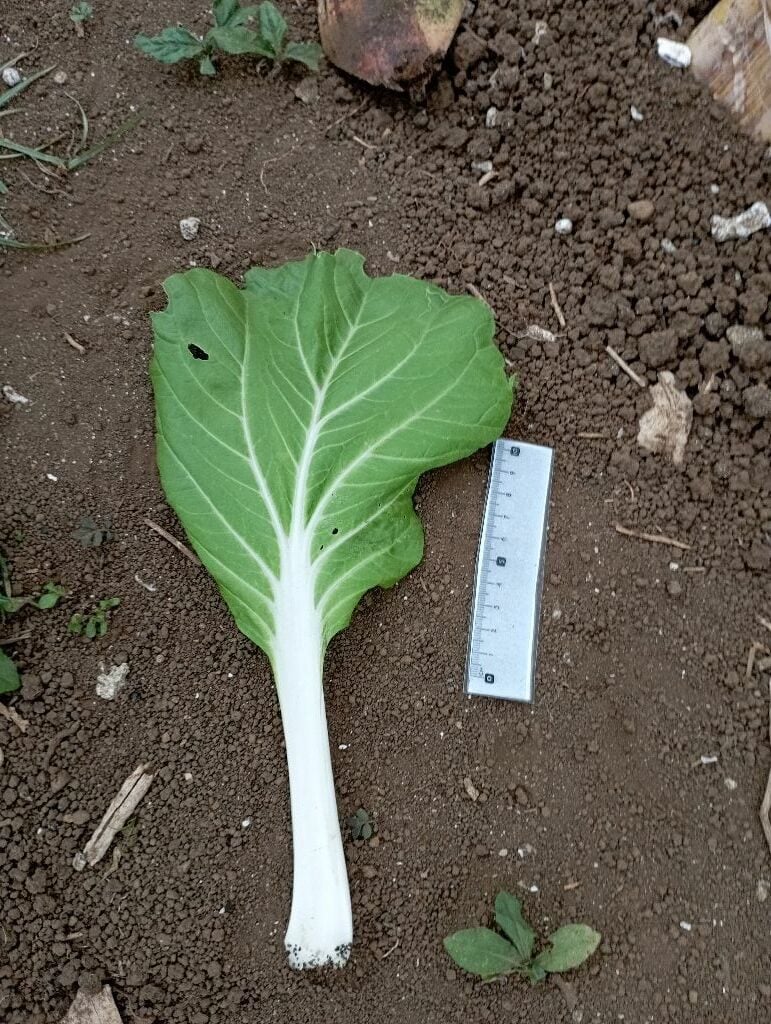
Brassica rapa subsp. pekinensis
Pe Tsai, Celery cabbage, Chinese cabbage
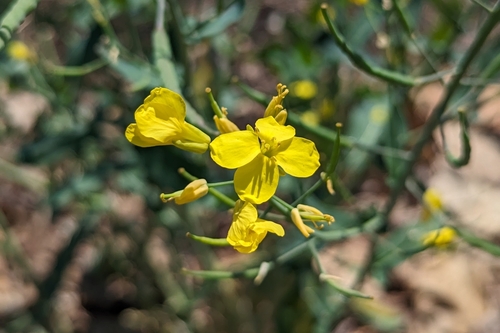
Brassica rapa subsp. rapa
Turnip, Rapini, Seven-top turnip
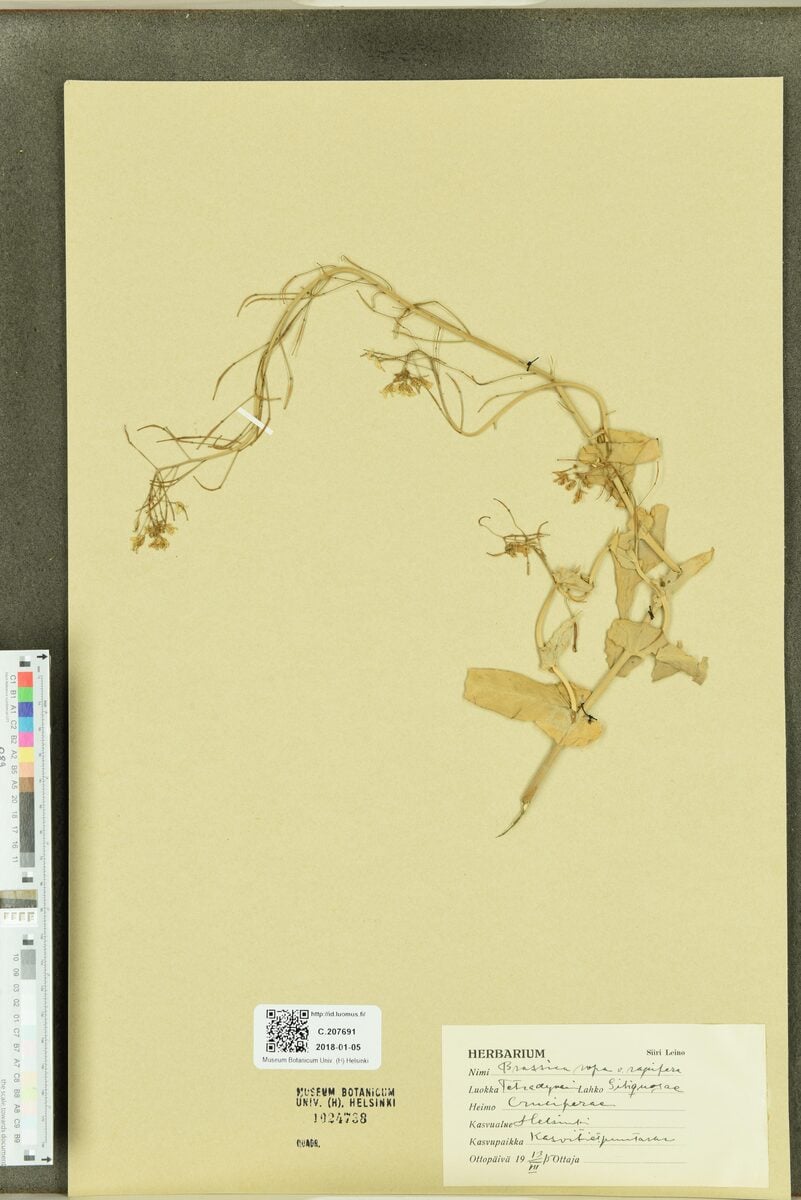
Brassica rapa subsp. rapifera
Japanese turnip
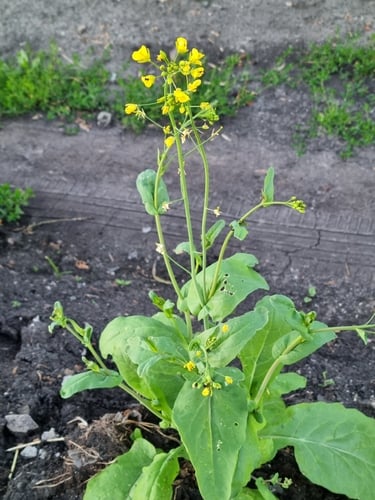
Brassica rapa subsp. trilocularis
Indian colza, Seti sarisha, Yellow Colza, Yellow sarson
Brassica rapa trilocularis - (Roxb.)Hanelt.
Indian Colza
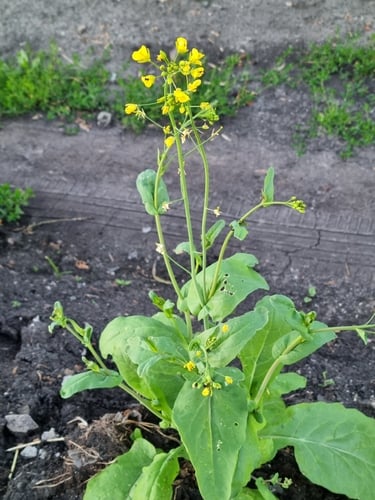
Brassica rapa var. japonica
Potherb mustard, Japanese mustard