Rubus hillii
F. Muell.
Queensland bramble, Broad-leaf bramble
iNaturalist· cc-by-nc-sa
(c) Yanuar Ishaq Dc, some rights reserved (CC BY-NC-SA)
iNaturalist· cc-by-nc-sa
(c) Yanuar Ishaq Dc, some rights reserved (CC BY-NC-SA)
iNaturalist· cc-by-nc
(c) Rodney Falconer, some rights reserved (CC BY-NC)
Description
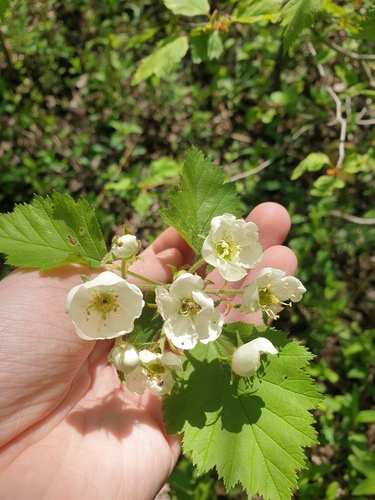
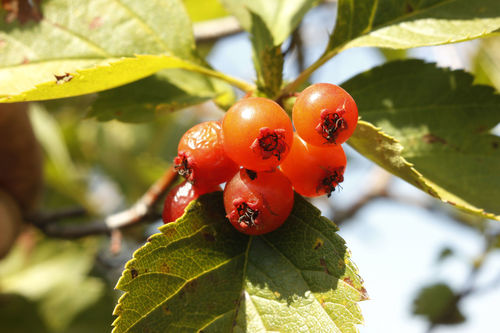
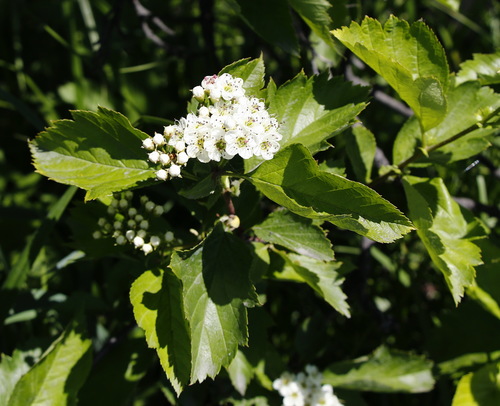
A prickly shrub or climber. The leaves are heart shaped or have 3 lobes. They are large and broad and 5-20 cm long. They have a crinkled surface and are white underneath. The flowers are white or red. The fruit are red raspberries 1.2 cm wide.
Edible Uses
The fruit are eaten raw and have a dry but sweet flavor.
Traditional Uses
The fruit are eaten raw. They are dry but sweet.
This uses section is brief — help expand it
Distribution
It is a temperate to subtropical plant. Melbourne Botanical Gardens.
Where It Grows
Australia*,
Notes
There are about 250 Rubus species. An unresolved name in The Plant List.
Dangerous Lookalikes
This plant can be confused with the following toxic species. Always verify identification carefully before consuming any wild plant.
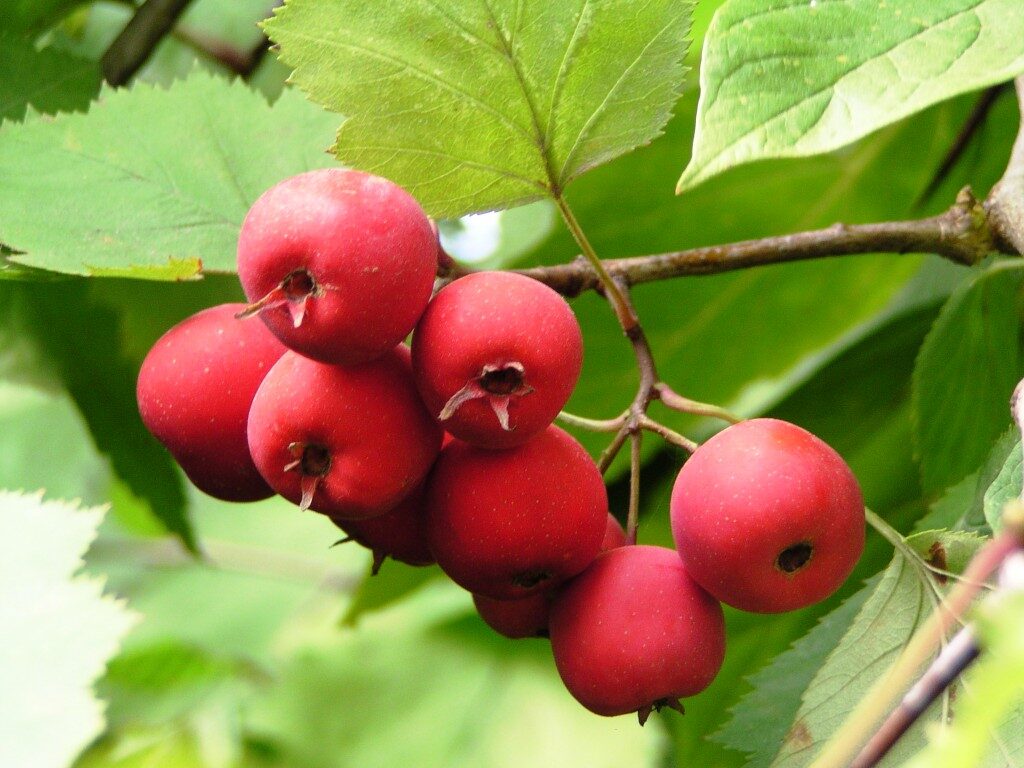
Red Baneberry
Actaea rubra
Walter Siegmund (talk)
Queensland bramble
Rubus hillii
(c) Yanuar Ishaq Dc, some rights reserved (CC BY-NC-SA)
Red Baneberry: Short herbaceous plant (no thorns), berries on thick red stems, each berry has a single seed, compound sharply-toothed leaves.
Queensland bramble: Thorny woody canes (brambles), aggregate berry made of many drupelets, berries pull easily from receptacle.
Also Known As
Native raspberry
References (12)
- Bodkin, F., 1991, Encyclopedia Botanica. Cornstalk publishing, p 892 (As Rubus hillii)
- Caton, J.M. & Hardwick, R. J., 2016, Field Guide to Useful Native Plants from Temperate Australia. Harbour Publishing House. p 232
- Cherikoff V. & Isaacs, J., The Bush Food Handbook. How to gather, grow, process and cook Australian Wild Foods. Ti Tree Press, Australia p 196 (As Rubus hillii)
- Cribb, A.B. & J.W., 1976, Wild Food in Australia, Fontana. p 54 (As Rubus hillii)
- Cronin, L., 1989, The Concise Australian Flora. Reed. p 97 (As Rubus hillii)
Show all 12 references Hide references
- Facciola, S., 1998, Cornucopia 2: a Source Book of Edible Plants. Kampong Publications, p 209 (See Rubus moluccanus)
- Gott, B & Conran, J., 1991, Victorian Koorie Plants. PO Box 666 Hamilton, Victoria 3300, Australia. p 35 (As Rubus hillii)
- Hibbert, M., 2002, The Aussie Plant Finder 2002, Florilegium. p 282 (As Rubus hillii)
- Hussey, B.M.J., Keighery, G.J., Cousens, R.D., Dodd, J., Lloyd, S.G., 1997, Western Weeds. A guide to the weeds of Western Australia. Plant Protection Society of Western Australia. p 210 (As Rubus hillii)
- Lazarides, M. & Hince, B., 1993, Handbook of Economic Plants of Australia, CSIRO. p 207 (As Rubus hillii)
- Morley, B.D., & Toelken, H.R., (Eds), 1983, Flowering Plants in Australia. Rigby. p 145 (As Rubus hillii)
- Yallakool Reserve Plant List July 1, 2009 Off internet