Amelanchier canadensis
(L.) Medik
Downy shadblow, Canadian serviceberry
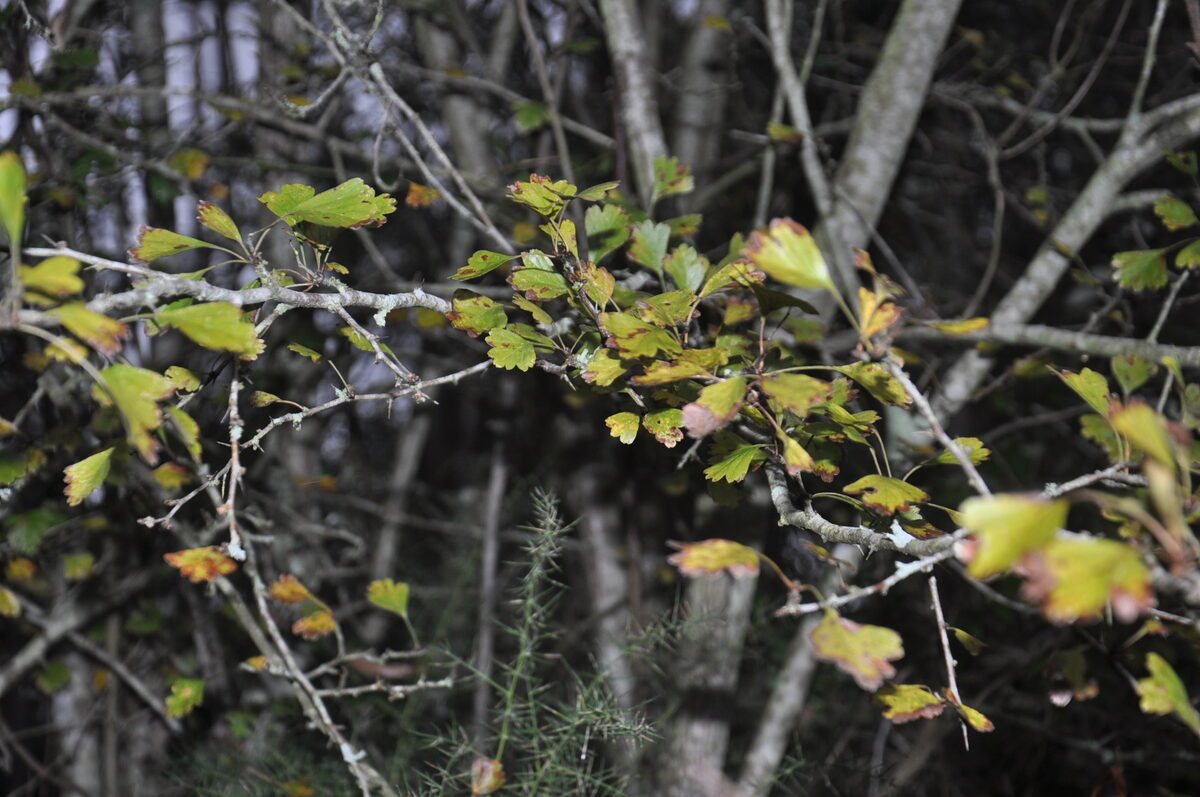
iNaturalist· cc-by-nc
(c) Michael John Oldham, some rights reserved (CC BY-NC), uploaded by Michael John Oldham
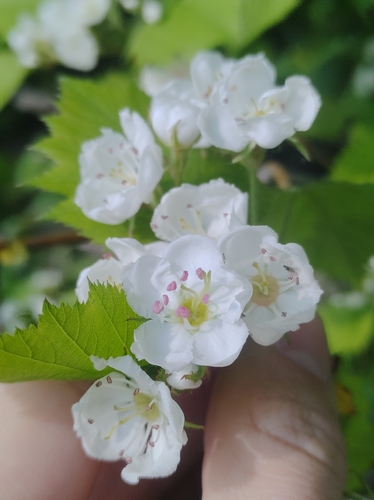
iNaturalist· cc-by-nc
(c) Steve Waller, some rights reserved (CC BY-NC), uploaded by Steve Waller
iNaturalist· cc-by-nc
(c) David Martin, some rights reserved (CC BY-NC), uploaded by David Martin
Summary
Source: WikipediaAmelanchier canadensis (also known as Canadian serviceberry, thicket serviceberry, shad-blow serviceberry, shad-blow, shadbush serviceberry, shadbush, bilberry, juneberry, chuckle-berry, sugarplum, currant-tree) is a species of Amelanchier native to eastern North America in Canada from Newfoundland west to southern Ontario, and in the United States from Maine south to Alabama. It is largely restricted to wet sites, particularly on the Atlantic coastal plain, growing at altitudes from sea level up to 200 m.
Description
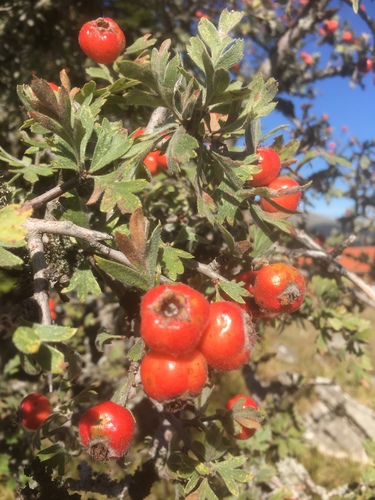
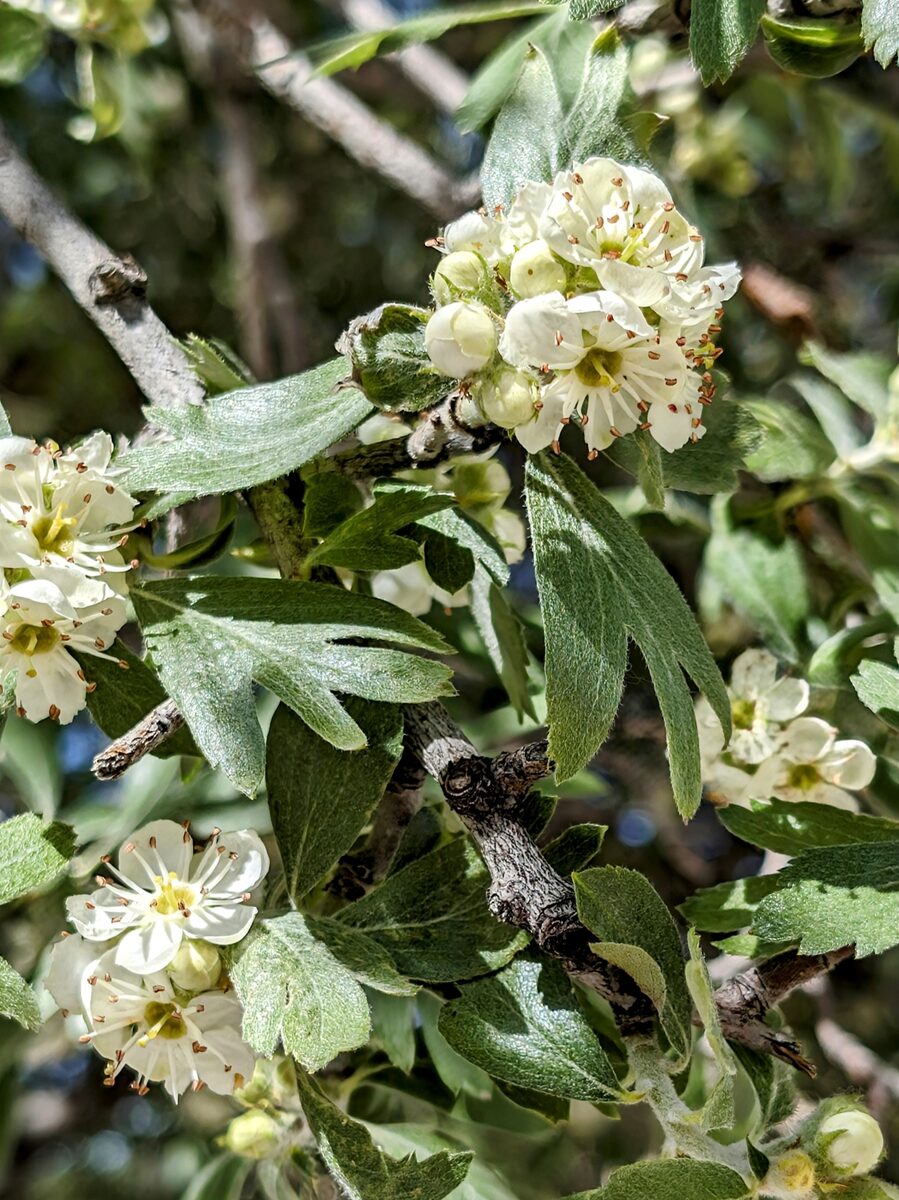
A large shrub. It grows 5-10 m tall. It loses its leaves during the year. The leaves are 3-8 cm long and have fine teeth along the edge. The flowers have 5 white petals and the flowers occur in drooping clusters. The fruit are round green berries that turn red as they ripen.
Edible Uses
The fruit is edible raw or cooked, about 10mm in diameter, and carries a sweet flavour with a hint of apple. It contains a few small seeds at the centre and can be eaten fresh, used in pies and preserves, or dried and used like raisins. Quality varies between forms — some have a noticeable bitterness while others are sweet, juicy, and delicious. When thoroughly cooked in puddings or pies, the seeds impart an almond flavour to the dish. The fruit is rich in iron and copper, and trees can yield 7 to 15 tonnes per hectare.
Traditional Uses
The fruit are used in pies, puddings, and for juice and preserves.
This uses section is brief — help expand it
Medicinal Uses
A tea made from the root bark, mixed with other unspecified herbs, was used as a tonic for excessive menstrual bleeding and to treat diarrhoea. A bath prepared from bark tea was applied to children with worms. An infusion of the root was used to prevent miscarriage following injury. A compound preparation of the inner bark served as a disinfectant wash.
Known Hazards
None listed.
Distribution
It is a temperate plant. Arboretum Tasmania.
Where It Grows
Australia, Canada, North America, Slovenia, Tasmania, USA,
Propagation
Seed is best harvested green — when fully formed but before the seed coat hardens — and sown immediately in pots outdoors or in a cold frame. Stored seed obtained early in autumn can be given 4 weeks of warm stratification before overwintering outside, which should result in spring germination. Otherwise, germination can be very slow, potentially taking 18 months or more. Prick seedlings out into individual pots once large enough to handle and grow on in a sheltered outdoor position, planting out when they reach 20cm or taller. Where seed is plentiful, sow thinly in an outdoor seedbed and grow on for two years before transplanting to permanent positions in winter. Layering in spring takes around 18 months. Suckers can be divided in late winter, but they must have been growing for 2 years to have formed roots. Once rooted, they can be planted directly into permanent positions.
Other Uses
This species can be used as a dwarfing rootstock for apples (Malus spp.) and pears (Pyrus spp.). Plants work well as an informal hedge; any trimming should be done after flowering. The species tolerates wind reasonably well and can be included in mixed shelterbelts for wind protection. The wood is hard, strong, and close-grained, and has been used for tool handles and small implements.
Synonyms
Also Known As
June berry, Kanadska šmarna hrušica, Mdronillo, Serviceberry, Shadbush
References (1)
- Kermath, B. M., et al, 2014, Food Plants in the Americas: A survey of the domesticated, cultivated and wild plants used for Human food in North, Central and South America and the Caribbean. On line draft. p 56