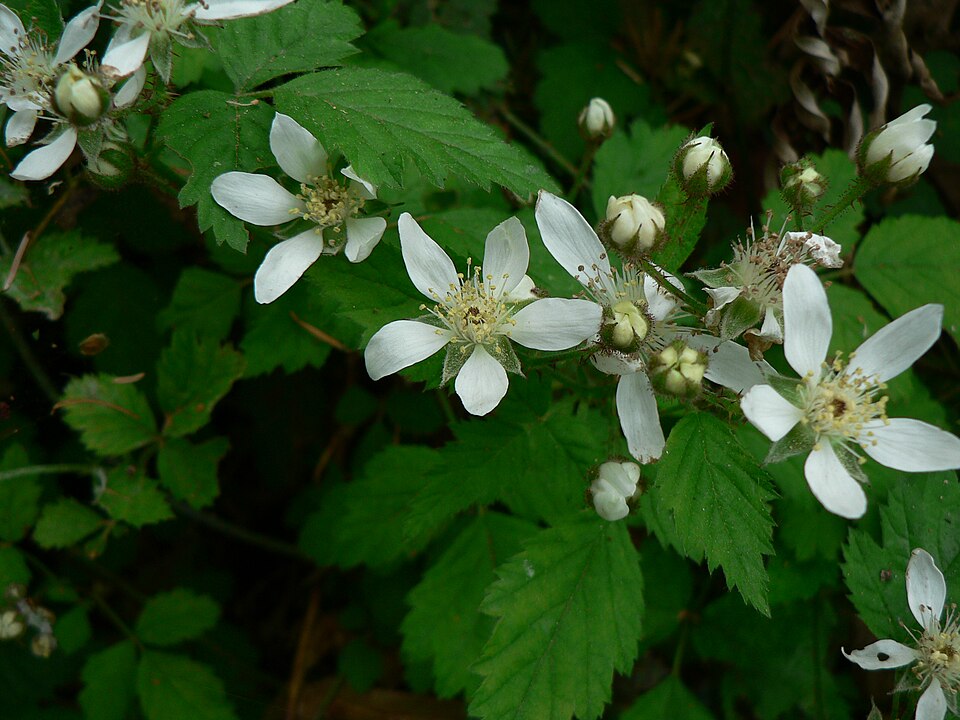
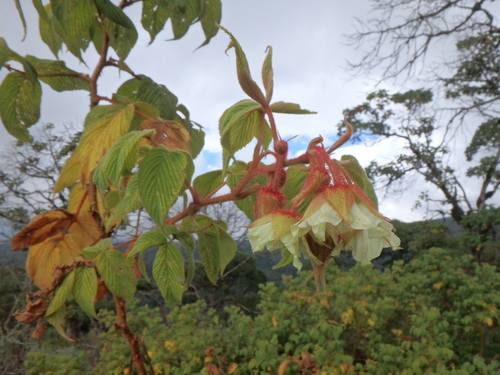
Amelanchier cusickii
Fernald.
Cusick's serviceberry
iNaturalist· cc-by-nc
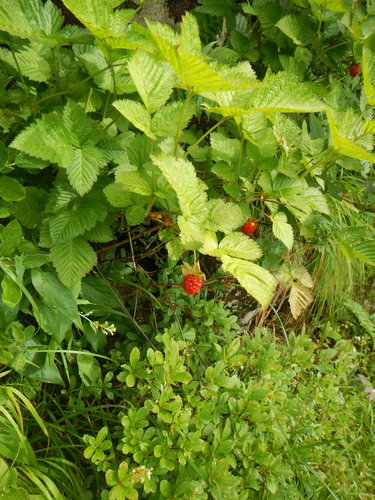
(c) David Bell, some rights reserved (CC BY-NC), uploaded by David Bell
iNaturalist· cc-by
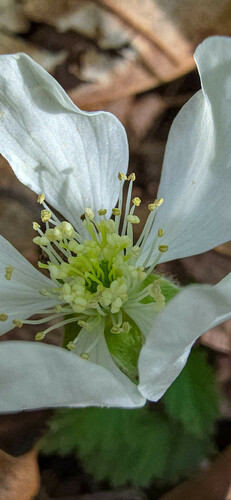
(c) Steven Bodzin, some rights reserved (CC BY), uploaded by Steven Bodzin
Description
A shrub to 3 m high. The flowers are large being 5 cm across. The fruit is 1 cm across.
This description is brief — help expand it
Edible Uses
The fruit can be eaten raw or cooked, and the leaves are used as a tea substitute.
Traditional Uses
The fruit is eaten raw or cooked. The leaves are a tea substitute.
This uses section is brief — help expand it
Distribution
It is a temperate plant. It grows naturally on hillsides from near sea-level to the sub-alpine zone, mainly in the Rockies in Western North America. Plants are hardy to cold to at least - 20 °C.
Where It Grows
North America, USA,
Cultivation
It can be grown from seed, layering or suckers. Seed can take 18 months to germinate and layers can take 18 months to form roots.
Notes
There are about 25-30 Amelanchier species.
Synonyms
References (3)
- C. L. Hitchcock et al., Vasc. pl. Pacif. N.W. 3:94. 1961 (As Amelanchier florida var. cusickii)
- Kermath, B. M., et al, 2014, Food Plants in the Americas: A survey of the domesticated, cultivated and wild plants used for Human food in North, Central and South America and the Caribbean. On line draft. p 56
- Plants for a Future database, The Field, Penpol, Lostwithiel, Cornwall, PL22 0NG, UK. http://www.scs.leeds.ac.uk/pfaf/. (As Amelanchier florida var. cusickii)