Rubus elmeri
Focke
Bunut
wikimedia· cc-by-sa
The original uploader was J.smith at English Wikipedia. (Original text: en:user:J.smith) (via Wikimedia Commons)
Description
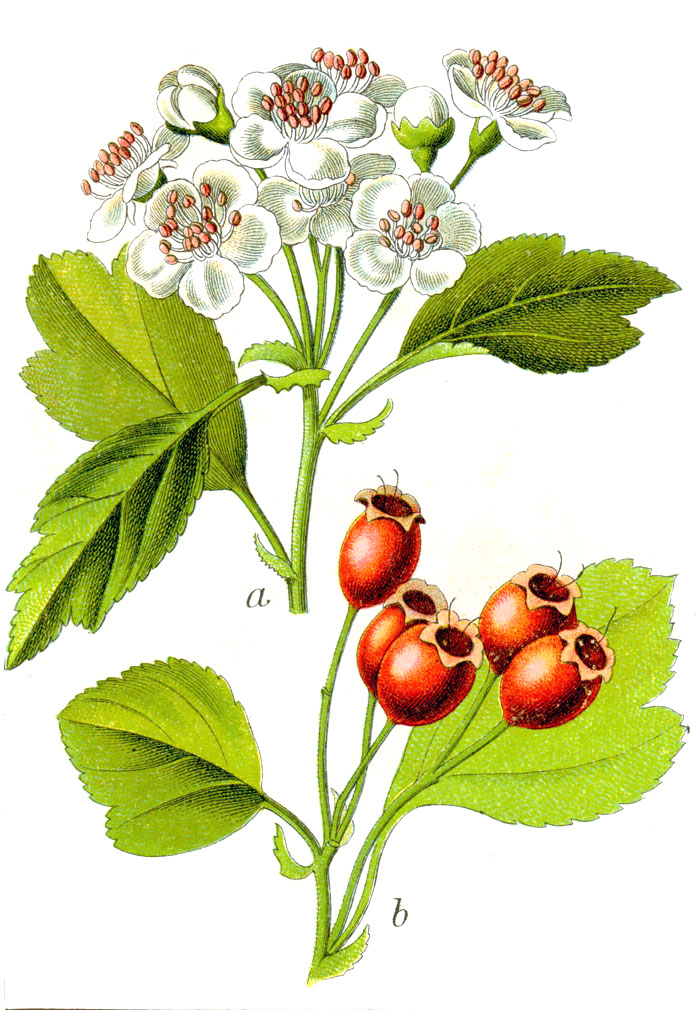
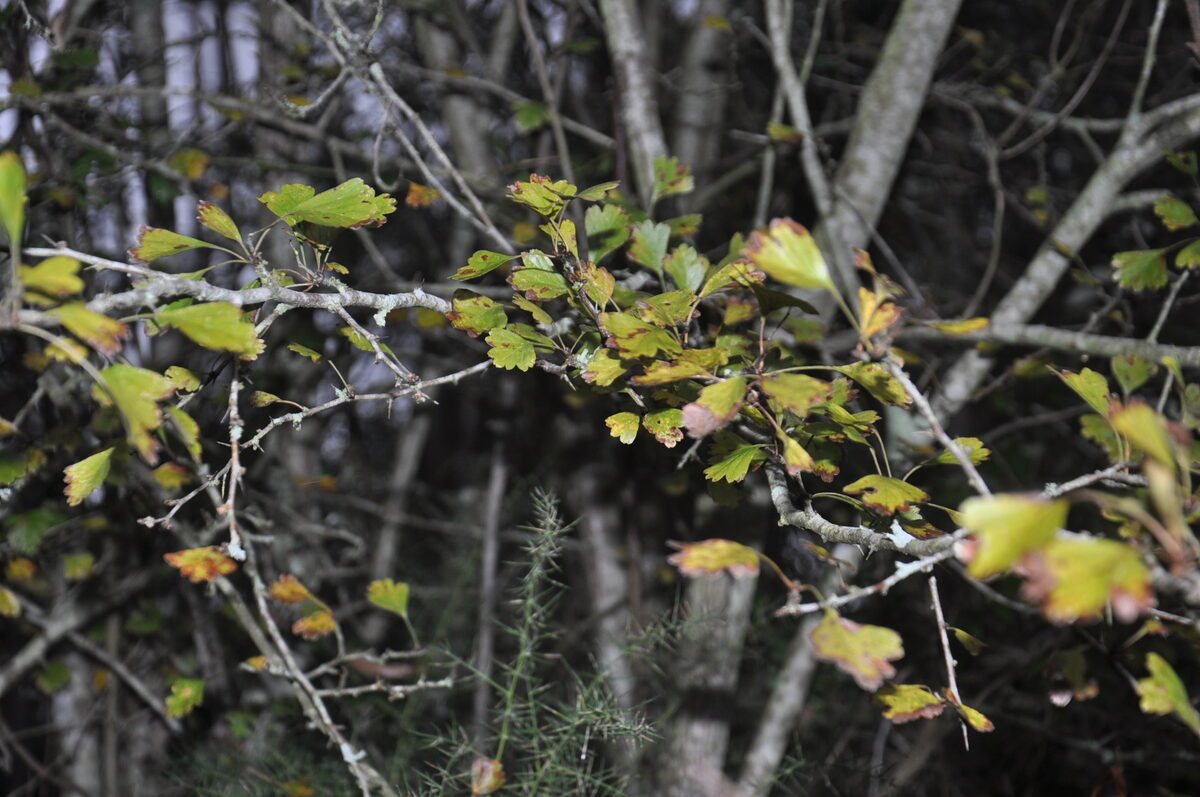
A scrambling shrub armed with a few small spines. The leaves are toothed at the edge, heart shaped and vary from even edges to 3 or 5 lobes. The flowers are white and either on their own or borne in clusters. The berry is up to 1.5 cm across and is orange yellow.
Edible Uses
The fruit are eaten raw.
Traditional Uses
The fruit are eaten raw.
This uses section is brief — help expand it
Distribution
A tropical plant. It occurs in the Mountain Province in the Philippines where it is very common.
Where It Grows
Asia, Pacific, Philippines, SE Asia,
Notes
There are about 250 Rubus species.
Dangerous Lookalikes
This plant can be confused with the following toxic species. Always verify identification carefully before consuming any wild plant.
Red Baneberry
Actaea rubra
Walter Siegmund (talk)
Bunut
Rubus elmeri
The original uploader was J.smith at English Wikipedia. (Original text: en:user:J.smith) (via Wikimedia Commons)
Red Baneberry: Short herbaceous plant (no thorns), berries on thick red stems, each berry has a single seed, compound sharply-toothed leaves.
Bunut: Thorny woody canes (brambles), aggregate berry made of many drupelets, berries pull easily from receptacle.
References (3)
- Biblioth. Bot. 72:112. 1910 (Sp. rub. 112.)
- Brown, W.H., 1920, Wild Food Plants of the Philippines. Bureau of Forestry Bulletin No. 21 Manila. p 62
- Monsalud, M.R., Tongacan, A.L., Lopez, F.R., & Lagrimas, M.Q., 1966, Edible Wild Plants in Philippine Forests. Philippine Journal of Science. p 533