Pyrus calleryana dimorphophylla
Koidz.
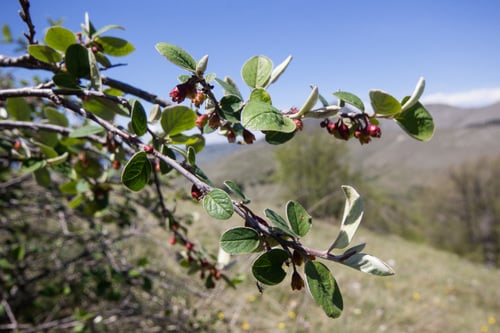
gbif· cc0
Carnegie Museum of Natural History
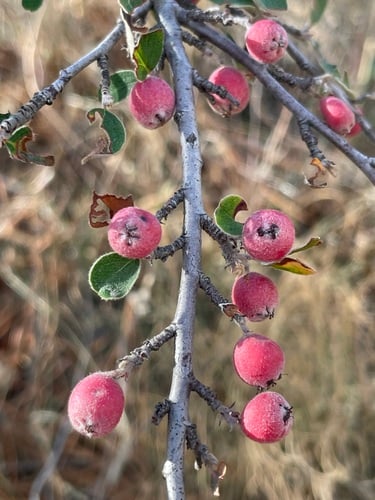
gbif· cc0
Carnegie Museum of Natural History
gbif· cc0
Carnegie Museum of Natural History
Description
Pyrus calleryana dimorphophylla is a deciduous Tree. The species is hermaphrodite (has both male and female organs) and is pollinated by Insects. Suitable for: light (sandy), medium (loamy) and heavy (clay) soils, prefers well-drained soil and can grow in heavy clay soil. Suitable pH: mildly acid, neutral and basic (mildly alkaline) soils. It can grow in semi-shade (light woodland) or no shade. It prefers moist soil and can tolerate drought. It can tolerate atmospheric pollution.
Edible Uses
Fruit - raw or cooked. Best used after it has been exposed to frost, since this will soften and sweeten the flesh.
Distribution
E. Asia - Japan.
Where It Grows
Coming Soon
Cultivation
Prefers a good well-drained loam in full sun. Grows well in heavy clay soils. Tolerates light shade but does not fruit so well in such a position. Tolerates atmospheric pollution, excessive moisture and a range of soil types if they are moderately fertile. Established plants are drought tolerant.
Propagation
Seed - best sown in a cold frame as soon as it is ripe in the autumn, it will then usually germinate in mid to late winter. Stored seed requires 8 - 10 weeks cold stratification at 1°c and should be sown as early in the year as possible. Temperatures over 15 - 20°c induce a secondary dormancy in the seed. Prick out the seedlings into individual pots when they are large enough to handle and grow them on in light shade in a cold frame or greenhouse for their first year. Plant them out in late spring or early summer of the following year.