Rhynchosinapis wrightii
(O. E. Schultz.) Dandy
Lundy cabbage
wikimedia· cc-by
Wikimedia Commons - Dr Mary Gillham Archive Project
Summary
Source: WikipediaEvergreen perennial growing to 1 m tall by 0.6 m wide. In leaf year-round with flowers May to June and seed ripening June to July. Hermaphroditic, self-fertile, pollinated by insects. Tolerates light sandy, medium loamy, and heavy clay soils with good drainage. Grows in mildly acidic, neutral, and basic soils. Prefers moist soil and can grow in semi-shade or full sun. Tolerates maritime exposure. Hardy to UK zone 7.
Description
Evergreen perennial growing to 1 m tall by 0.6 m wide. In leaf year-round with flowers May to June and seed ripening June to July. Hermaphroditic, self-fertile, pollinated by insects. Tolerates light sandy, medium loamy, and heavy clay soils with good drainage. Grows in mildly acidic, neutral, and basic soils. Prefers moist soil and can grow in semi-shade or full sun. Tolerates maritime exposure. Hardy to UK zone 7.
Edible Uses
Leaves can be eaten raw or cooked, with a flavour somewhere between cabbage and radish. They are at their best for harvesting in the winter months, when they make an acceptable addition to a salad, and also work as a reasonable cabbage substitute when cooked. The flowers and young flowering stems can also be eaten raw or cooked — the flowers make a decorative addition to salads, while the young stems can be prepared like broccoli. Both have a cabbage-like flavour with a distinct bitterness.
Medicinal Uses
None known.
Distribution
It is a temperate plant.
Where It Grows
Britain, Europe,
Propagation
Sow seed in spring in a cold frame or outdoor seedbed — it usually germinates within a week. Prick out pot-sown seedlings into individual pots as soon as they are large enough to handle and plant out in summer. Outdoor seedbed seedlings can be thinned as required (thinnings can be transplanted or eaten) and moved to their permanent positions when 15–25cm tall.
Other Uses
None known.
References (1)
- Plants for a Future database, The Field, Penpol, Lostwithiel, Cornwall, PL22 0NG, UK. http://www.scs.leeds.ac.uk/pfaf/
More from Brassicaceae
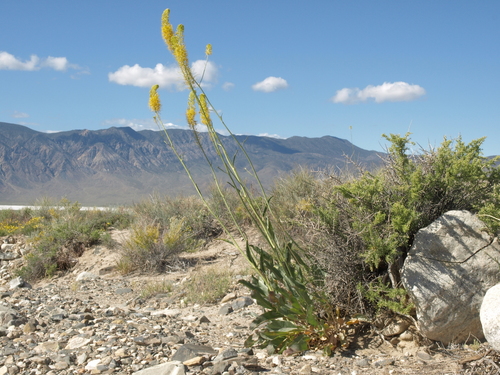
Stanleya elata
Panamint Prince's-plume
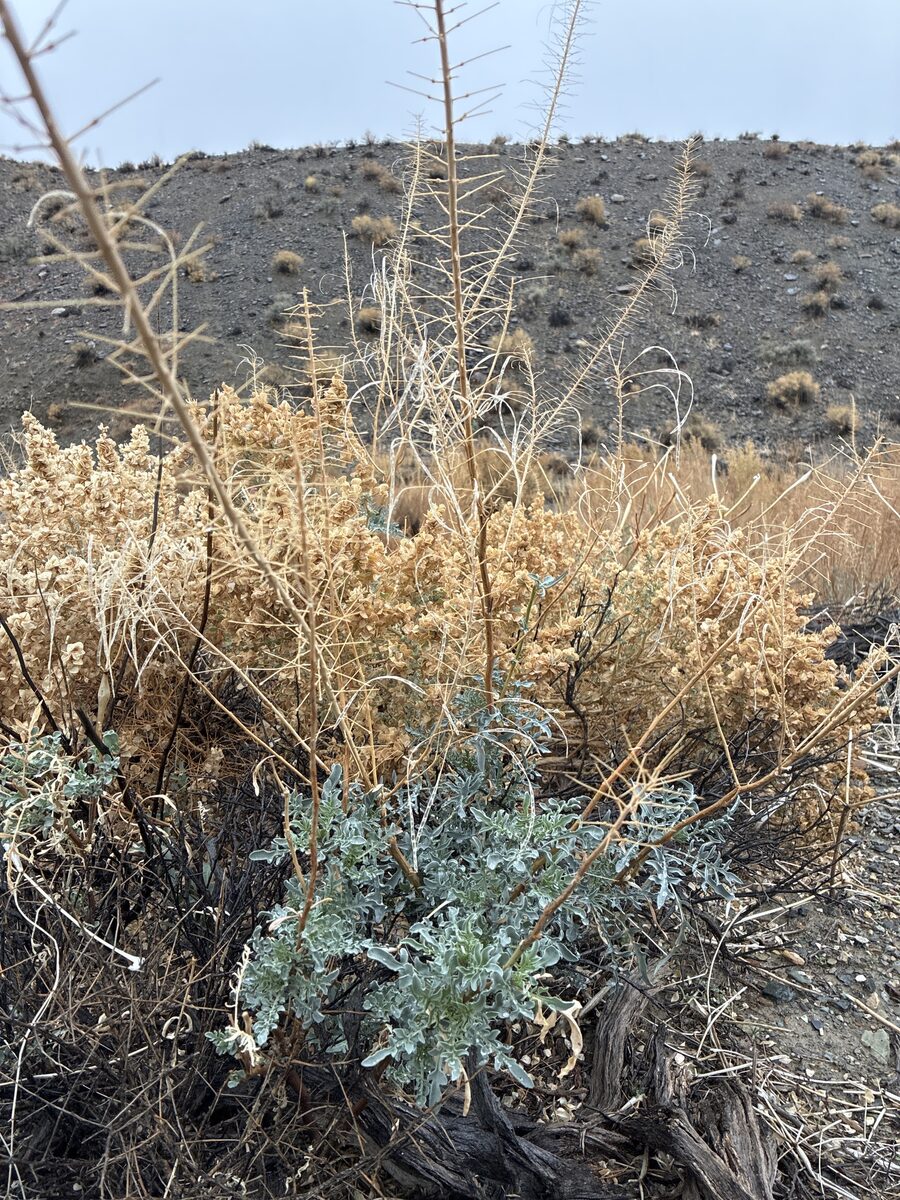
Stanleya pinnata - (Pursh.)Britton.
Prince's Plume, Desert princesplume, Bipinnate princesplume, Golden princesplume, Inyo princesplume
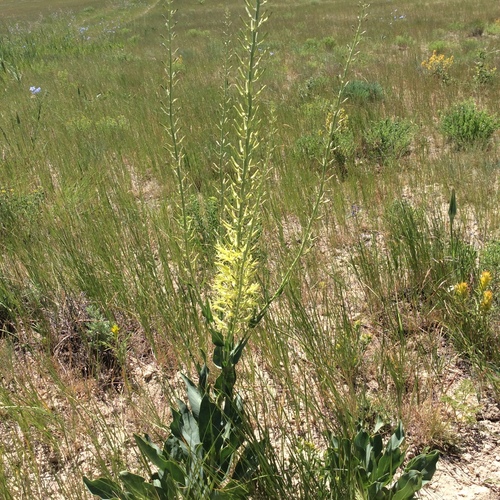
Stanleya viridiflora
Prince's plume
Stanleya wrightii
Wright's Thelypody
Stenopetalum lineare
Thread Cress, Narrow thread petal
Stenopetalum nutans