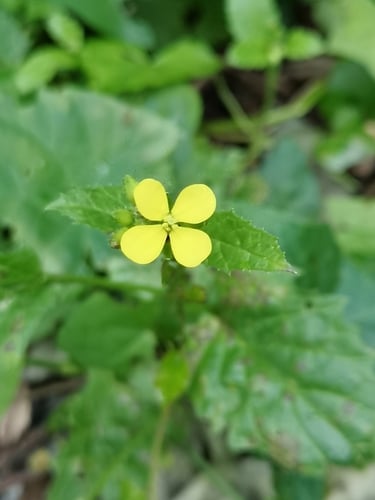
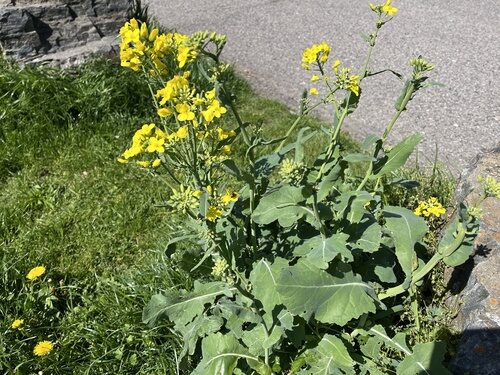
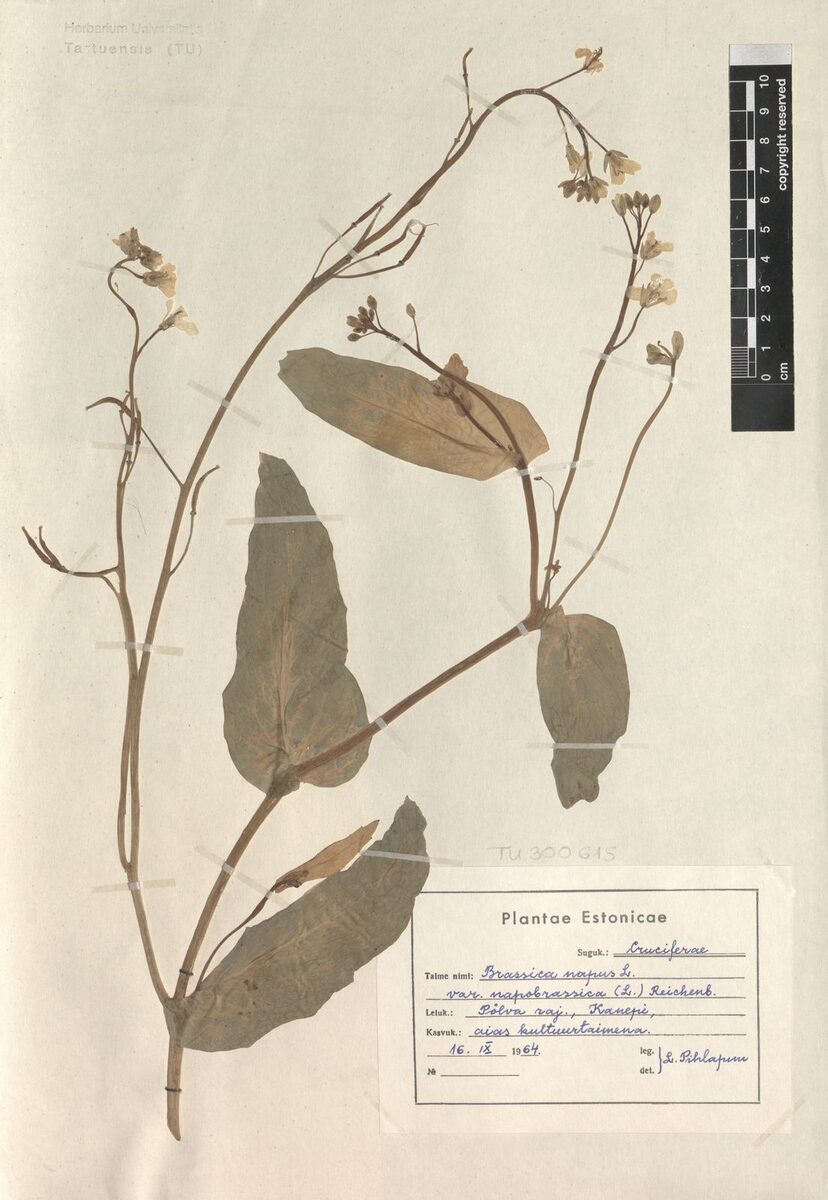
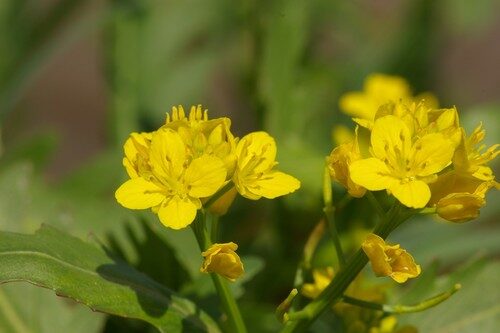
Heldreichia rotundifolia
Boiss.
gbif· cc-by
Meise Botanic Garden
gbif· cc-by
Meise Botanic Garden
gbif· cc0
Royal Botanic Garden Edinburgh
Summary
Source: WikipediaA low-growing perennial reaching 0.3 m (1 ft) tall with hermaphroditic flowers. Adaptable to light sandy, medium loamy, and heavy clay soils with good drainage. Tolerates mildly acidic, neutral, and mildly alkaline pH levels. Grows in semi-shade or full sun and prefers consistently moist soil.
Description
A low-growing perennial reaching 0.3 m (1 ft) tall with hermaphroditic flowers. Adaptable to light sandy, medium loamy, and heavy clay soils with good drainage. Tolerates mildly acidic, neutral, and mildly alkaline pH levels. Grows in semi-shade or full sun and prefers consistently moist soil.
Edible Uses
The leaves are edible raw and can be eaten in the same way as cress.
Medicinal Uses
None known.
Distribution
It is a temperate plant.
Where It Grows
Europe, Turkey, Türkiye,
Cultivation
We have virtually no information on this species and do not know if it will be hardy in this country.
Propagation
Sow seed in spring in a cold frame. Prick seedlings into individual pots when large enough to handle and grow on under glass through at least their first winter. Plant out into permanent positions in late spring or early summer, after the last expected frosts.
Other Uses
None known.
Synonyms
References (2)
- Hedrick, U.P., 1919, (Ed.), Sturtevant's edible plants of the world. p 337 (As Heldreichia koyschyi)
- Plants for a Future database, The Field, Penpol, Lostwithiel, Cornwall, PL22 0NG, UK. http://www.scs.leeds.ac.uk/pfaf/