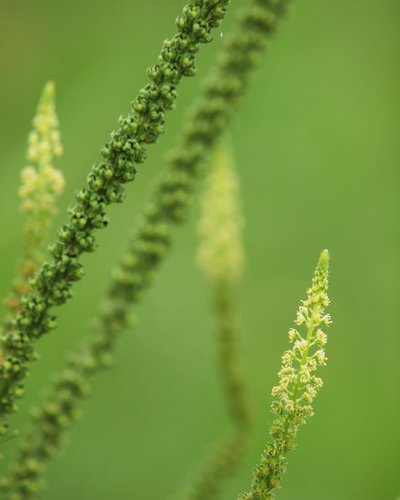
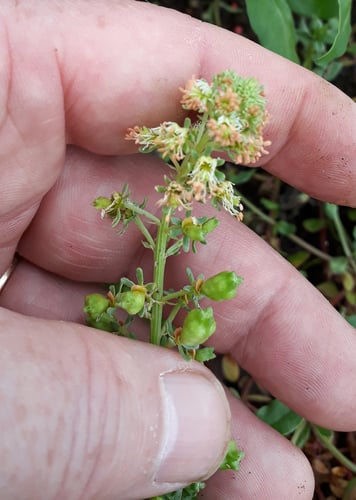
Reseda phyteuma
L.
Rampion Mignonette, Corn mignonette
iNaturalist· cc-by-nc
(c) Li Jianong, some rights reserved (CC BY-NC), uploaded by Li Jianong
iNaturalist· cc-by
(c) Denis Bastianelli, some rights reserved (CC BY)
iNaturalist· cc-by
(c) Denis Bastianelli, some rights reserved (CC BY)
Summary
Source: WikipediaReseda phyteuma, common name rampion mignonette or corn mignonette, is a species of flowering plant in the family Resedaceae.
Description
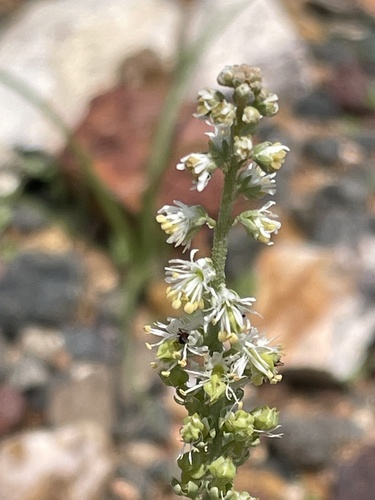
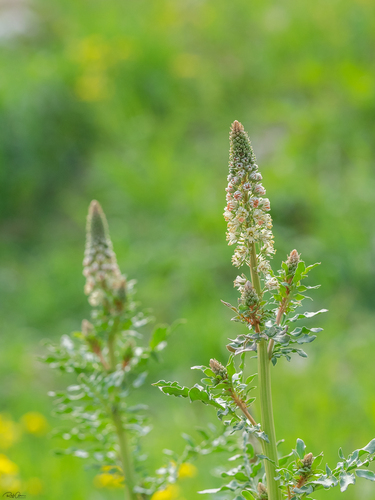
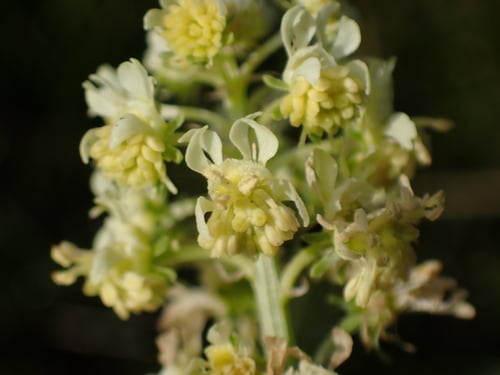
A short herb. It can grow for one or two years. It is hairy. The stems branch near the base. The lower leaves can have 1-2 lobes. Other leaves are unlobed. The flowers are white. They are 6-10 mm wide. The fruit is a capsule which is nodding. It is 12-14 mm long.
Edible Uses
Leaves are edible cooked and used as a pot-herb.
Traditional Uses
The leaves are cooked and eaten.
This uses section is brief — help expand it
Medicinal Uses
None known.
Distribution
It is a temperate plant. It grows on waste ground.
Where It Grows
Africa, Asia, Britain, Europe, Greece, Mediterranean*, N Africa, Turkey, Türkiye,
Cultivation
Easily grown in any well-drained neutral to slightly alkaline soil in a sunny position or in some shade if the summers are long and hot. A good plant for bees and butterflies.
Propagation
Sow seed in situ in spring, covering only very lightly. In areas where winter temperatures do not fall below -10°c, an autumn sowing will generally succeed.
Other Uses
Special uses: attracts wildlife.
Other Information
It is cultivated.
Notes
There are between 55 and 60 Reseda species.
References (4)
- Blamey, M and Grey-Wilson, C., 2005, Wild flowers of the Mediterranean. A & C Black London. p 70
- Hedrick, U.P., 1919, (Ed.), Sturtevant's edible plants of the world. p 555
- Plants for a Future database, The Field, Penpol, Lostwithiel, Cornwall, PL22 0NG, UK. http://www.scs.leeds.ac.uk/pfaf/
- Zeven, A. C. & de West, J. M. J., 1982, Dictionary of cultivated plants and their regions of diversity. Wageningen. p 100, 118