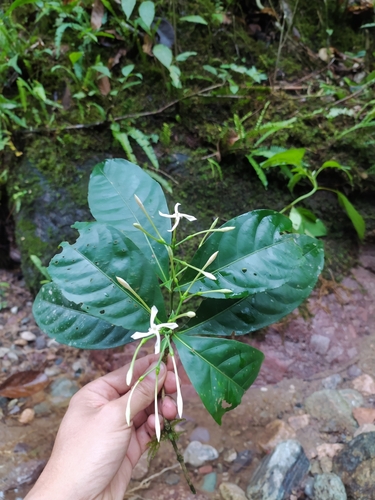
Atractocarpus fitzalanii
F. Muell. ex Benth.
Brown Gardenia, Native Gardenia, Yellow mangosteen
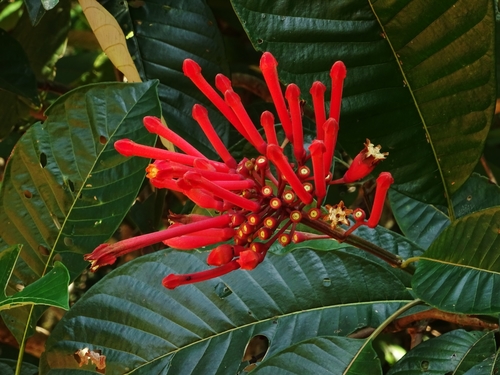
iNaturalist· cc-by
(c) botanygirl, some rights reserved (CC BY), uploaded by botanygirl
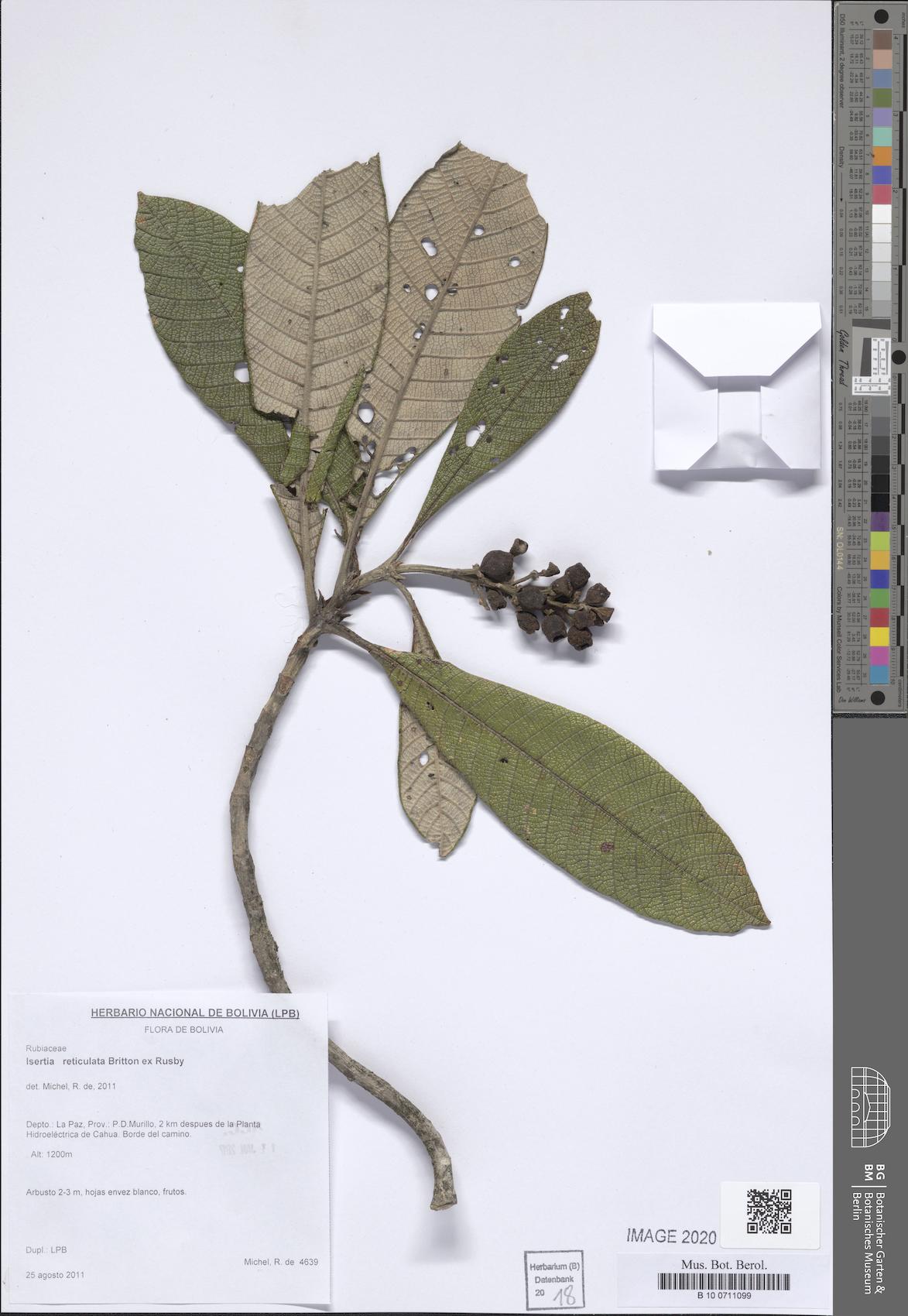
iNaturalist· cc-by-nc
(c) Peter Latta, some rights reserved (CC BY-NC), uploaded by Peter Latta
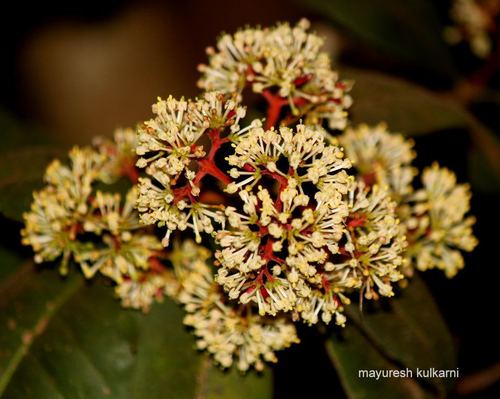
iNaturalist· cc-by-sa
(c) Steve Fitzgerald, some rights reserved (CC BY-SA), uploaded by Steve Fitzgerald
Summary
Source: WikipediaAtractocarpus fitzalanii, commonly known as the brown gardenia or yellow mangosteen, is a species of plant in the coffee and madder family Rubiaceae. It is found in coastal parts of tropical Queensland, Australia. The beautifully scented flowers and glossy foliage has seen this plant enter cultivation in gardens of eastern Australia.
Description
A tree. It grows 3-10 m tall. The trunk can be 30 cm across. The leaves are simple and 7-21 cm long. The fruit are 6-8 cm long by 5-5.5 cm across. They usually occur singly in the axils of leaves or at the end of branches. There are several seeds inside. The seeds are 8 mm long by 6-7 mm wide. The flesh is edible in small amounts.
Edible Uses
Fruit - raw. The baseball sized, yellow skinned fruit has a flavour that supposedly resembles a mangosteen. A hard-shelled fruit containing small seeds embedded in a soft pulp. The globular or ellipsoid fruit is around 60 - 70mm long and 35 - 100mm wide.
Medicinal Uses
The plant (part not specified) has been used as an aphrodisiac.
Distribution
It is a tropical plant. It grows in the rainforest in Queensland in Australia. It grows up to 1,200 m above sea level. In the Cairns Botanical Gardens. It likes creeks and shade. Mt Cootha Botanical Gardens.
Where It Grows
Asia, Australia*, Indonesia, SE Asia,
Cultivation
It can be grown from cuttings. It can also be grown from seed.
Propagation
Seed - sown fresh it germinates slowly but reliablt.
Synonyms
References (17)
- Bodkin, F., 1991, Encyclopedia Botanica. Cornstalk publishing, p 867
- Cherikoff V. & Isaacs, J., The Bush Food Handbook. How to gather, grow, process and cook Australian Wild Foods. Ti Tree Press, Australia p 201
- Cooper,
- Cribb, A.B. & J.W., 1976, Wild Food in Australia, Fontana. p 53
- Fl. austral. 3:411. 1867
Show all 17 references Hide references
- Hibbert, M., 2002, The Aussie Plant Finder 2002, Florilegium. p 245
- Jackes, B.R., 2001, Plants of the Tropics. Rainforest to Heath. An Identification Guide. James Cook University. p 77
- Jones D, L, 1986, Ornamental Rainforest Plants in Australia, Reed Books, p 94, 340
- Leiper, G & Houser, J., Mutooroo. Plant Use by Australian Aboriginal People. Assembly press, Queensland.
- Nicholson, N & H., 1996, Australian Rainforest Plants 2, Terania Rainforest Publishing. NSW. p 52
- Pearson, S. & A., 1992, Rainforest Plants of Eastern Australia. Kangaroo Press p 178 (As Randia fitzalanii)
- Radke, P & A, Sankowsky, G & N., 1993, Growing Australian Tropical Plants. Frith & Frith, Australia. p 53
- Ratcliffe D & P., 1987, Australian Native Plants for Indoors. Little Hills press. p 125
- Recher, P, 2001, Fruit Spirit Botanical Gardens Plant Index. www.nrg.com.au/~recher/ seedlist.html p 7
- Sukarya, D. G., (Ed.) 2013, 3,500 Plant Species of the Botanic Gardens of Indonesia. LIPI p 486 (As Randia fitzalanii)
- Townsend, K., 1994, Across the Top. Gardening with Australian Plants in the tropics. Society for Growing Australian Plants, Townsville Branch Inc. p 326
- Williams, K.A.W., 1999, Native Plants of Queensland Volume 4. Keith A.W. Williams North Ipswich, Australia. p 338