Uncaria tomentosa
(Willd. ex Schult.) DC.
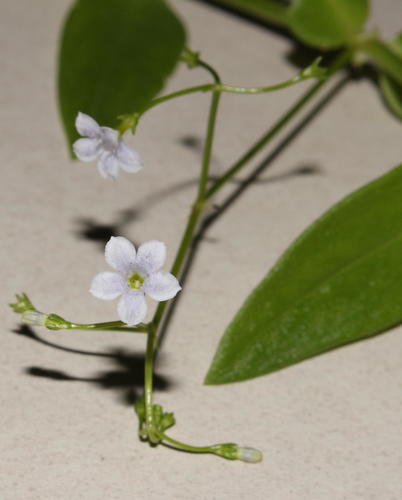
iNaturalist· cc-by-nc
(c) Bayardo Alberto González Ñamendy, some rights reserved (CC BY-NC), uploaded by Bayardo Alberto González Ñamendy
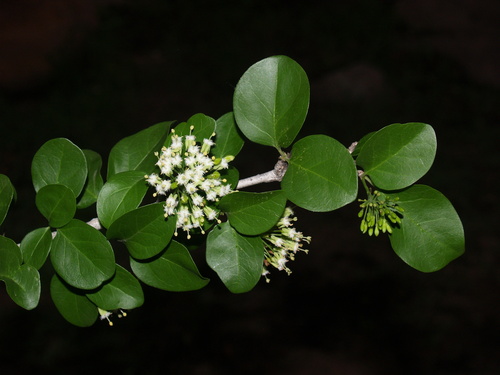
iNaturalist· cc-by-nc
(c) Nils Servientis - Bivouac Naturaliste, some rights reserved (CC BY-NC), uploaded by Nils Servientis - Bivouac Naturaliste
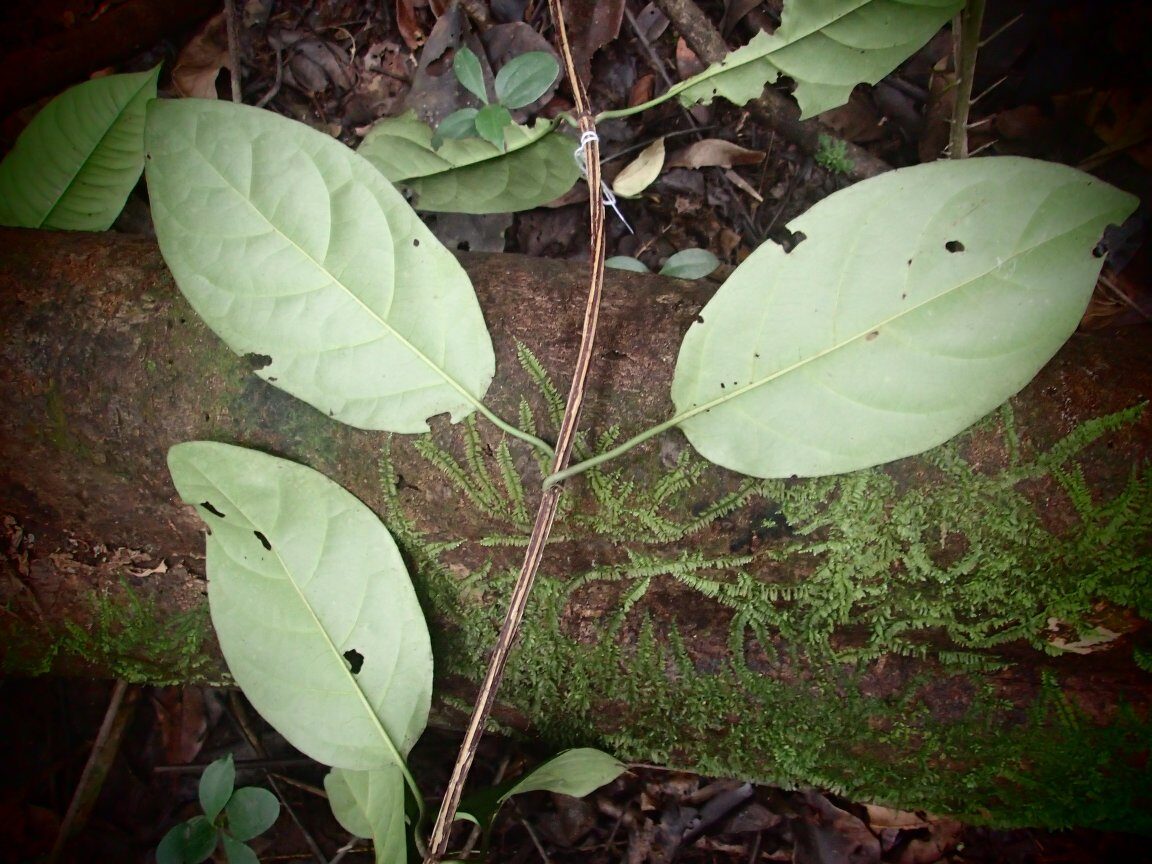
iNaturalist· cc-by-nc
(c) Bayardo Alberto González Ñamendy, some rights reserved (CC BY-NC), uploaded by Bayardo Alberto González Ñamendy
Summary
Source: WikipediaUncaria tomentosa is a woody vine found in the tropical jungles of South and Central America. It is known as cat's claw or uña de gato in Spanish because of its claw-shaped thorns. The plant root bark is used in herbalism for a variety of ailments, and is sold as a dietary supplement. There is no high-quality clinical evidence that it has any benefit for treating human diseases.
Description
Uncaria tomentosa is an evergreen climbing vine growing to 25 m tall by 0.5 m wide at a fast rate. Hardy to UK zone 10. Grows in light sandy and medium loamy soils with good drainage. Tolerates mildly acid, neutral, and basic pH levels. Can grow in semi-shade or full sun and prefers moist soil.
Edible Uses
The stems yield a potable sap with a watery, astringent taste, used both to quench thirst and as a restorative drink.
Medicinal Uses
Cat's claw has a long history of traditional use for a range of conditions including inflammation (especially rheumatism), arthritis, urinary tract infections, and gastric ulcers. It has also been used as a blood purifier, to cleanse the kidneys, to aid recovery from childbirth or regulate menstruation, and to treat asthma. Applied externally, it is used as a wound wash to promote healing and cleanse the skin. In modern herbal medicine it is primarily valued for its stimulatory effect on the immune system, with the stem bark being the most commonly used part. Contemporary applications include disease prevention, cancer support, recovery from chemotherapy side effects and from childbirth, urinary tract infections, wound care, fevers, haemorrhages, and general weakness. Clinical research has examined its use for viral infections, pain and symptoms of herpes infections, and inflammatory conditions such as rheumatoid arthritis. Research confirms the plant is anti-inflammatory, immune stimulant, cytoprotective, and antioxidant. The whole plant is also used as a gargle to treat mouth ulcers.
Known Hazards
Individuals allergic to plants in the family Rubiaceae and different species of Uncaria may be more likely to have adverse reactions to cat's claw. Allergic reactions can include itching, rash, and skin inflammation. Gastrointestinal discomfort, nausea, headache, impaired kidney and hormonal effects, and neuropathy are other possible effects. People requiring anticoagulation, blood pressure, or immune therapy should not use cat's claw.
Distribution
It is a tropical plant.
Where It Grows
Peru, Slovenia, South America,
Cultivation
A plant of mainly low elevations in the tropics, where it can usually be found at elevations up to 300 metres. Grows best in dappled shade. Prefers a pH in the range 5.2 - 7.7. In some parts of the Atlantic coast of Central America the plant is reported to become a troublesome weed in banana plantations. The stems are only large enough to harvest when they are 8 years or more old. Generally, it is recommended that the vine is cut at 20 - 100cm above the ground and left to regenerate.
Propagation
Seed has very short viability and should be sown as soon as it is ripe. Stem cuttings approximately 20cm long can be used; where forest soil is sufficiently moist, cuttings can reportedly be inserted directly into the forest floor and will root readily. When conditions are favourable, roots develop soon after transplanting.
Other Uses
The stems are used in making furniture.
Synonyms
Also Known As
Una de gato
References (2)
- http://www.botanic-gardens-ljubljana.com/en/plants
- Vael, L., 2015, Ethnobotanical study of the plant use in the natural landscape of two mestizo communities in the Ucayali region of the Peruvian Amazon. Universiteit Gent.